That little yellow icon shaped like an engine just lit up on your dashboard. Your stomach drops a bit. Is it serious? Can you keep driving? How much is this going to cost? I’ve been there, staring at that same light, feeling that same mix of annoyance and anxiety. Let’s cut through the noise. A yellow (or amber) check engine light is your car’s way of saying, “Hey, I’ve detected a problem. It might not be an emergency right this second, but we need to look into this soon.” The key word is soon. Ignoring it is where small problems turn into expensive ones.
What You’ll Find in This Guide
Immediate Steps When the Yellow Check Engine Light Comes On
Don’t just pull over and call a tow truck. That’s overkill for a steady yellow light. Here’s your calm, rational first-response plan.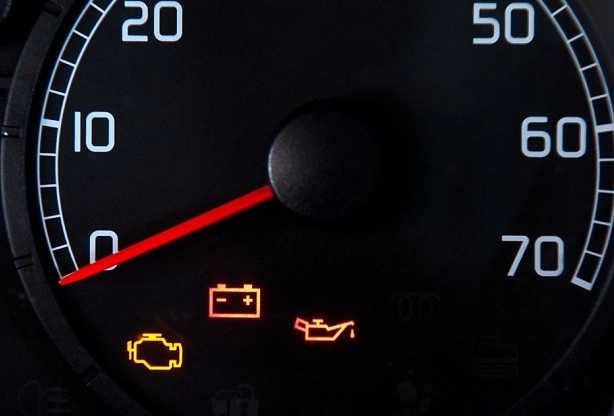
Listen for changes. A loose gas cap won’t make a sound. A failing oxygen sensor might not either. But a misfire often comes with a hiccup in the engine rhythm. A problem with the EVAP system (more on that later) might be silent.
Check the gas cap. I know, it sounds too simple. But it’s the number one reason for a check engine light. Turn off the car, unscrew the cap completely, and screw it back on until you hear three distinct clicks. This ensures a proper seal. A broken or missing seal can trigger the light because the car’s computer detects a leak in the fuel vapor system. Drive for a few days—it can take up to 50 miles for the light to reset if this was the issue.
When to Keep Driving vs. When to Stop
This is the big question.
- You can usually keep driving if the light is steady yellow and the car feels normal. Plan to get it checked within the next week or so. Avoid long road trips or towing heavy loads until you know what’s wrong.
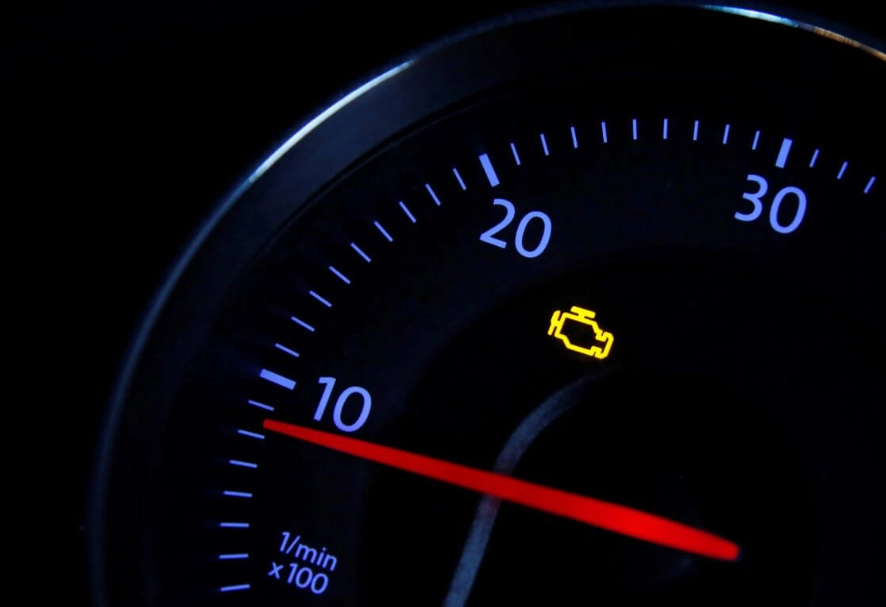
- You should stop driving soon if the light is flashing. A flashing check engine light (any color) indicates a severe misfire that can damage the catalytic converter—a $1,000+ part. Pull over safely, turn off the engine, and call for assistance.
- Stop immediately if you notice steam, smoke, a strong gasoline smell, loud knocking, or a major loss of power alongside the yellow light.
How Serious Is It? A Quick Severity Guide
Not all yellow lights are created equal. Think of it in tiers. This table breaks down what you might be dealing with.
| Severity Level | Likely Causes | Car's Behavior | Recommended Action |
|---|---|---|---|
| Low (Annoyance) | Loose gas cap, minor EVAP leak, early O2 sensor reading | Drives completely normal. No noticeable issues. | Check gas cap, schedule a scan within 1-2 weeks. |
| Medium (Needs Attention) | Failing oxygen sensor, clogged air filter, minor vacuum leak | Might have slightly reduced fuel economy or a subtle rough idle. | Get a diagnostic scan within a few days. Address to prevent further issues. |
| High (Impending Problem) | Misfire (but not severe enough to flash), failing ignition coil, fuel system issue | Noticeable rough running, hesitation, loss of power, or poorer gas mileage. | Diagnose within 1-2 days. Avoid strenuous driving. |
Top 5 Common Causes of a Yellow Check Engine Light
Modern cars have dozens of sensors. But a few culprits show up again and again. Understanding these helps you talk to your mechanic without feeling lost.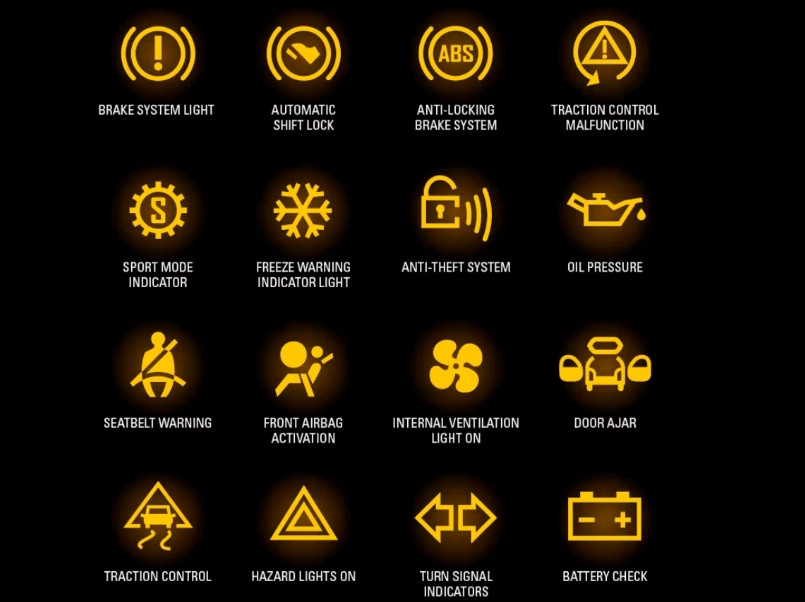
1. The Oxygen (O2) Sensor
This is probably the most common mechanical cause. Your car has at least two of these. They monitor how much oxygen is in the exhaust to help the computer adjust the air-fuel mixture. When one starts to fail, your fuel economy can drop by 10-15%. It’s a slow bleed on your wallet. A new sensor might cost $200-$300 with labor, but leaving it broken can lead to a clogged catalytic converter.
2. The Catalytic Converter
This is often the result of ignoring other problems. It doesn’t usually fail on its own. If you drove for months with a bad O2 sensor or a misfire, the unburned fuel can overheat and melt the honeycomb inside the converter. Now you have a major restriction. Symptoms include a rotten egg smell, lack of power (like driving with the parking brake on), and eventually, the car won’t accelerate. Repair? $1,000 to $2,500. This is why you don’t ignore that yellow light.
3. Ignition System Issues: Spark Plugs & Coils
This is what often causes a rough ride. A worn spark plug or a failing ignition coil can’t properly ignite the fuel in a cylinder. That’s a misfire. You’ll feel it as a shudder, especially at idle or under acceleration. Modern cars have one coil per cylinder. Replacing one coil and plug might run $150-$250. It’s a common maintenance item around 100,000 miles.
4. Mass Airflow (MAF) Sensor
This sensor tells the computer how much air is entering the engine. If it gets dirty (common) or fails, the computer guesses wrong on the fuel mix. Result: rough idle, stalling, hesitation, and poor gas mileage. Sometimes, just cleaning it with specific MAF sensor cleaner (not brake cleaner!) can fix it. A new sensor is $200-$400.
5. EVAP System Leak
This is the emissions control system that captures fuel vapors. A leak, even a tiny one from a cracked hose or that loose gas cap, will trigger the light. The car runs a self-test and fails it. Diagnosing the exact leak point can be tricky and sometimes requires smoke testing. According to the U.S. Environmental Protection Agency, a functioning EVAP system is crucial for controlling hydrocarbon emissions. Repair costs vary wildly based on the leak location, from $0 (tightening the cap) to $500 for a new vent valve.
How to Start Diagnosing Without a Fancy Scanner
You don’t need to be a mechanic to gather clues. Here’s what anyone can do before taking the car in.
The “Key Dance” Trick. Many cars (especially Chrysler, Dodge, Jeep) have a hidden code reader. Turn the ignition key to “On” (but don’t start the engine), then off, on, off, on within five seconds. The check engine light might start flashing. Long flashes are the tens digit, short flashes are the ones digit of a trouble code. Write down the pattern (e.g., flash-flash-flash [pause] flash-flash = Code 32). It’s not perfect, but it gives you a starting point to research.
Free Code Scanning. Most major auto parts stores (AutoZone, O’Reilly, Advance Auto Parts) in the U.S. will scan your codes for free. They’ll print out the generic code (like P0420) and a definition. Important: They might try to sell you parts immediately. The code tells you what circuit is reporting a problem, not necessarily which part to replace. P0420 (Catalyst System Efficiency Below Threshold) could be a bad O2 sensor or a bad catalytic converter. Don’t buy parts based solely on this.
Invest in a Basic Bluetooth Scanner. For $20-$30, you can get a small device that plugs into your OBD-II port (under the dash near the steering wheel) and pairs with your phone. Apps like Torque or Car Scanner will show you the live data—things like fuel trim, sensor voltages, and temperature. This is powerful. Seeing the long-term fuel trim numbers can tell you if the engine is running rich or lean, pointing you toward a vacuum leak or a dirty injector.
Realistic Repair Cost Estimates (Parts & Labor)
Let’s talk money, because that’s the real worry. Prices are approximate for common vehicles and include typical shop labor rates. DIY will save on labor.
Common Yellow Light Repair Cost Breakdown
- Gas Cap: $15 - $50 (DIY or minimal labor)
- Oxygen Sensor: $200 - $400 (Part: $60-$200, Labor: 1 hour)
- Spark Plugs (set): $150 - $300 (Part: $30-$100, Labor: 1-2 hours)
- Ignition Coil (one): $150 - $250 (Part: $50-$150, Labor: 0.5 hour)
- Mass Airflow Sensor: $200 - $400 (Part: $100-$300, Labor: 0.5 hour)
- Catalytic Converter: $1,000 - $2,500+ (Part is expensive, labor intensive)
- EVAP System Purge Valve/Solenoid: $150 - $350 (Part: $50-$150, Labor: 0.5-1 hour)
The diagnostic fee itself usually runs $80-$150. A good shop applies this fee toward the repair if you have them do the work. Always ask for this policy upfront.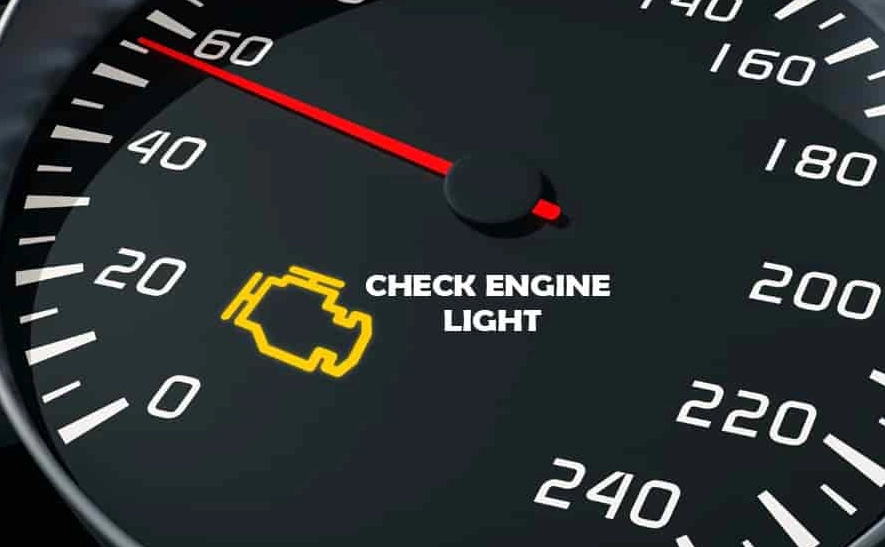
Your Questions, Answered
The yellow check engine light is a conversation starter, not a death sentence. It’s your car asking for a check-up. Listen to it. Start with the simple stuff, get the code read, and use the information here to understand what you’re up against. A little knowledge turns panic into a plan, and can save you a lot of money down the road.