Nothing kills the vibe of your own home faster than an air conditioner that's decided to take a vacation in the middle of a heatwave. You crank the thermostat down to 65, but all you get is a sad, lukewarm breeze. Before you pick up the phone and commit to a potentially huge repair bill (or get stuck in a frustrating loop with your landlord's maintenance line), stop. Grab a drink, and let's walk through this together. I've been in the HVAC field for over a decade, and I can tell you that about half of all "my AC is broken" service calls for apartments are solved in under 10 minutes by the tenant themselves.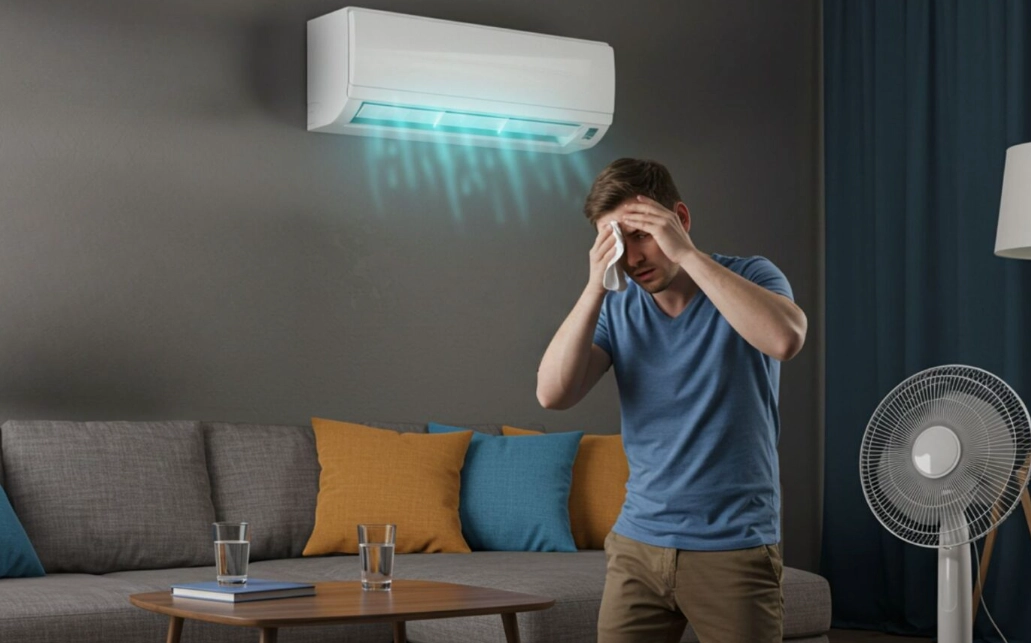
What You'll Find in This Guide
- First, Check the Obvious: Your Thermostat
- The #1 Culprit: A Dirty Air Filter
- Don't Forget the Outdoor Unit (Yes, You Can Check It)
- The Hidden Problem: Frozen Evaporator Coils
- When It's Bigger: Refrigerant and Compressor Issues
- Quick-Reference Table: Common Reasons & Solutions
- Why Apartment ACs Are Particularly Prone to Problems
- Your Burning Questions, Answered
How to Troubleshoot Your Apartment AC: Start Here
You'd be shocked how often the fix is right on the wall. We're going from the simplest, most likely fixes to the more complex ones. Follow this order to save yourself the most time.
Step 1: Verify Your Thermostat Settings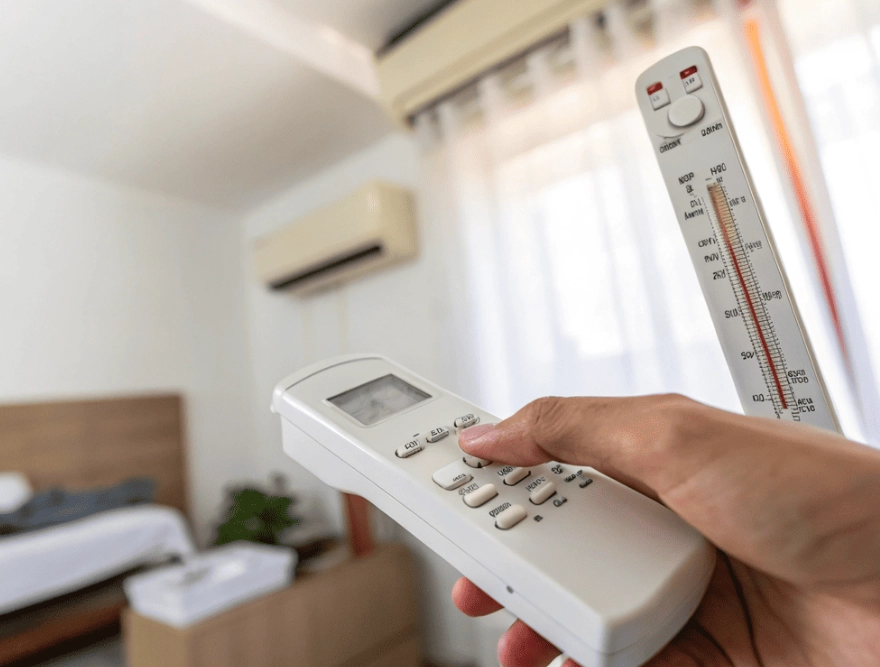
This sounds dumb, but it happens constantly. Someone bumps the thermostat, a roommate "adjusted" it, or the batteries died. Look for these specific things:
- Mode: Is it set to "COOL" and not "HEAT" or "FAN"? The fan setting will blow air, but it won't be cold.
- Temperature Setting: Is the set temperature below the current room temperature shown? If it's set to 75 and the room is 74, the AC won't kick on.
- Fan Setting: It should ideally be on "AUTO." If it's on "ON," the fan runs constantly, which can sometimes circulate air that hasn't been cooled yet, feeling warm.
- Power: For digital thermostats, replace the batteries. No display often means no function.
The Single Most Important Piece of Maintenance
If your thermostat checks out, this is your next stop. A clogged air filter is the leading cause of reduced airflow, freezing coils, and an AC that runs constantly but cools poorly.
Where is it? Usually in a slot in the return air duct, often in a ceiling vent, a wall, or right next to the indoor air handler unit (in a closet or utility room).
What to do: Pull it out. Hold it up to a light. If you can't see light easily through it, it's too dirty. A dirty filter restricts airflow like trying to breathe through a thick blanket. This makes the system work harder, causes the evaporator coil to get too cold and freeze (ice blocks airflow completely), and can lead to premature system failure.
Replace it with a basic, fiberglass filter (MERV 5-8). Avoid the super high-MERV "allergy" filters in apartment units unless your system is specifically designed for them—they restrict airflow too much. Change it every 1-3 months, especially during peak cooling season.
The Outdoor Unit: Your AC's Other Half
In an apartment, this might be on a balcony, a rooftop, or a dedicated pad on the ground. You have a right to check it (carefully).
First, make sure it's actually running. When your thermostat calls for cooling, you should hear the outdoor fan and compressor turn on. If it's silent, the problem could be electrical (a tripped breaker, a disconnect switch turned off) or a failed component.
If it's running, look at the condenser coils (the metal fins around the unit). Are they caked in dirt, leaves, lint, or especially that fluffy white cottonwood seed? This insulation acts like a winter coat, trapping heat. The unit can't expel heat, so it can't cool your home.
How to clean it safely: Turn the AC off at the thermostat. Use a garden hose on a gentle spray to wash debris from the inside out (spraying through the fins). Never use a pressure washer—you'll bend the delicate fins. If the fins are bent, you can buy a cheap "fin comb" to straighten them.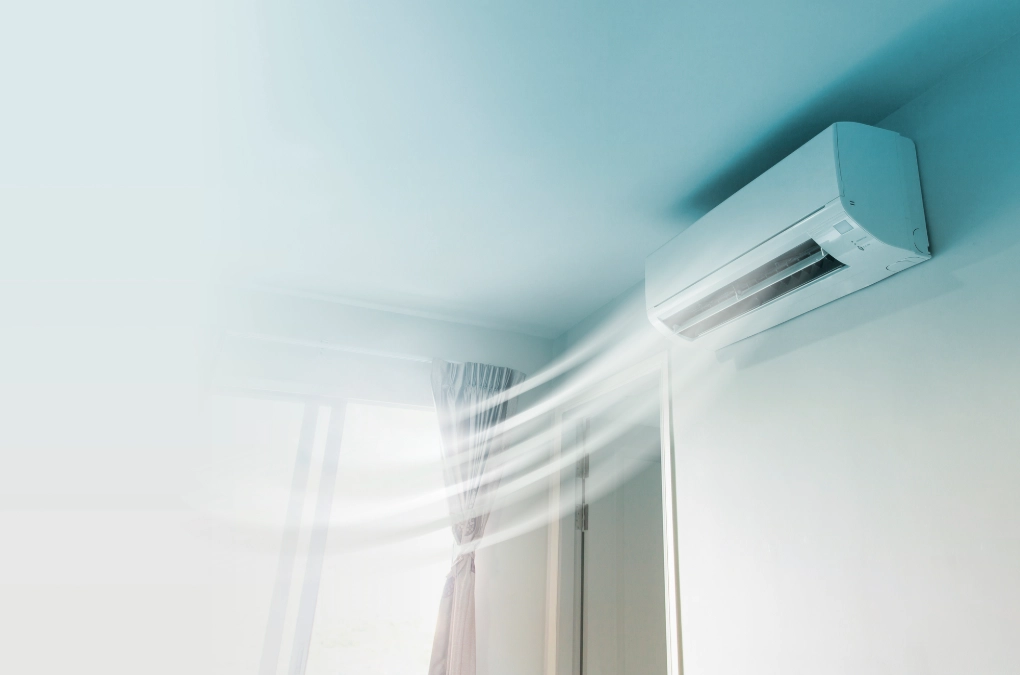
What If the Airflow Has Slowed to a Trickle?
This often points to frozen evaporator coils. This happens inside the indoor unit, usually because of restricted airflow (dirty filter, closed vents) or low refrigerant.
Signs: Very little air coming from vents, air isn't cold, you might see ice on the copper refrigerant lines near the indoor unit, or hear a hissing/dripping sound.
The fix: Turn the AC off completely at the thermostat. Switch the fan to "ON" to help melt the ice. This can take a few hours. Address the root cause: replace that dirty filter, make sure all supply vents are open and unblocked by furniture. Once completely thawed and dry, you can try turning the AC back on. If it freezes again within a day, you likely have a refrigerant leak—a job for a pro.
Problems That Usually Need a Professional
If you've checked everything above and your AC is still blowing warm air, the issue is likely mechanical. Here's what might be wrong:
- Refrigerant Leak: Your AC doesn't "use up" refrigerant. If it's low, there's a leak. Only a certified technician can find and fix the leak, then recharge the system to the exact specification. Adding refrigerant without fixing the leak is a temporary and illegal (in many places) fix.
- Failed Compressor: The heart of the outdoor unit. If it's dead, you'll often hear a clicking sound or a hum without the unit starting. This is a major repair.
- Faulty Capacitor: This component gives the compressor and fan motor the jolt of energy they need to start. A weak or failed capacitor is a very common failure point, especially in hot weather. It's a relatively inexpensive fix for a technician.
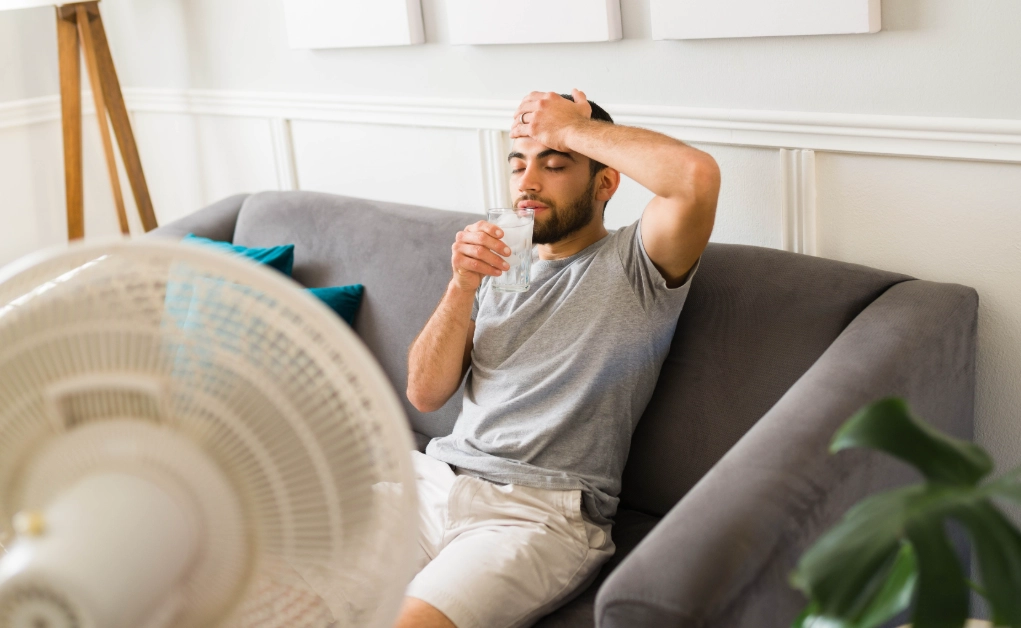
Quick Guide: Why Your Apartment AC Isn't Cooling
| Problem | Likely Signs | Can You Fix It? | Approximate Cost if Pro Needed |
|---|---|---|---|
| Dirty Air Filter | Reduced airflow, system runs constantly, higher bills. | YES - Replace filter. | $10-$20 (for filter) |
| Dirty Outdoor Condenser Coils | AC struggles on hot days, unit feels very hot to touch. | YES - Gentle cleaning. | $0 (DIY) |
| Thermostat Issues | Incorrect readings, blank display, unresponsive. | Maybe - Check settings/batteries. | $100-$300 (replacement) |
| Blocked or Closed Vents | Uneven cooling, weak airflow in specific rooms. | YES - Open and clear vents. | $0 (DIY) |
| Frozen Evaporator Coil | Little to no airflow, ice on pipes, dripping water. | Temporarily - Thaw and find root cause. | $200-$600 (if leak) |
| Failed Capacitor | Outdoor unit hums but won't start, or trips breaker. | NO - Electrical work required. | $150-$400 |
| Refrigerant Leak | AC runs but blows warm, hissing noise, frozen coil returns. | NO - Requires certified technician. | $500-$2000+ |
| Failed Compressor | Loud click/hum then nothing, breaker trips instantly. | NO - Major component failure. | $1500-$3000+ |
Why Apartment Air Conditioners Are a Special Headache
It's not your imagination. Apartment AC systems face unique challenges that single-family homes often don't.
Limited Space & Access: Outdoor units are crammed on balconies or shared pads, surrounded by walls that trap heat and reduce airflow. Indoor units are stuffed into tight closets, making filter changes a chore people skip.
Deferred Maintenance: Let's be real. Landlords and property management companies often operate on a "if it ain't broke, don't fix it" or "fix it as cheaply as possible" mentality. Preventative maintenance like annual coil cleanings rarely happens. You inherit a system that's been neglected.
Older, Inefficient Equipment: Many apartments, especially in older buildings, have AC units that are 15-20 years old. They're less efficient, more prone to failure, and use outdated refrigerants that are expensive to replace if leaked.
The "Not Mine" Mentality: Tenants are less likely to perform simple maintenance because they don't own the unit. This creates a vicious cycle of neglect that leads to the breakdown you're experiencing now.
The key is to be a proactive tenant. Changing the filter regularly is the single best thing you can do to protect the system (and your comfort).
Frequently Asked Questions About Apartment AC Problems
 My landlord says the AC is "working" because air is coming out, but it's not cold. Are they responsible for fixing it?