You're running late, you hop in the car, turn the key... and nothing. Well, not exactly nothing. The dashboard lights up like a Christmas tree, the radio works, but the engine doesn't make a sound. Or maybe it just clicks. That sinking feeling is universal. A car that has power but won't start is one of the most common and frustrating automotive problems. Before you panic and call for an expensive tow, let's walk through this logically. Nine times out of ten, the culprit is one of a handful of components, and you might even be able to fix it yourself.
I've been a mechanic for over a decade, and I can't count how many times I've seen people replace a perfectly good battery because they heard a click, only to find the real problem was a $15 relay or a corroded ground cable. The key is understanding the two main behaviors: "No Crank" (you turn the key and hear nothing or just a click) and "Cranks But Won't Start" (the engine turns over but never fires up). Each points to a completely different set of issues.
What's Inside This Guide?
- Step One: Listen - What Exactly Is It Doing?
- Diagnosing a "No Crank, No Click" Situation
- Diagnosing a "No Crank, Single Click" Situation
- Diagnosing an Engine That Cranks But Won't Start
- Modern Car Gotchas: Key Fobs and Security Systems
- When to Throw in the Towel and Call a Pro
- Your Burning Questions Answered (FAQ)
Step One: Listen - What Exactly Is It Doing?
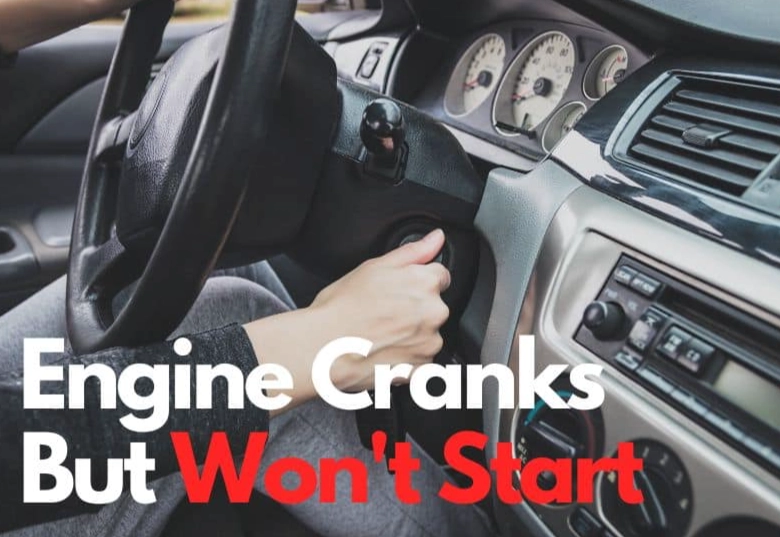
This is the most critical piece of information. Don't just say "it won't start." Be a detective. Get in the car, turn the ignition to the "ON" position (don't start it yet). Note all the lights. Now, turn it all the way to "START." Close your eyes and listen.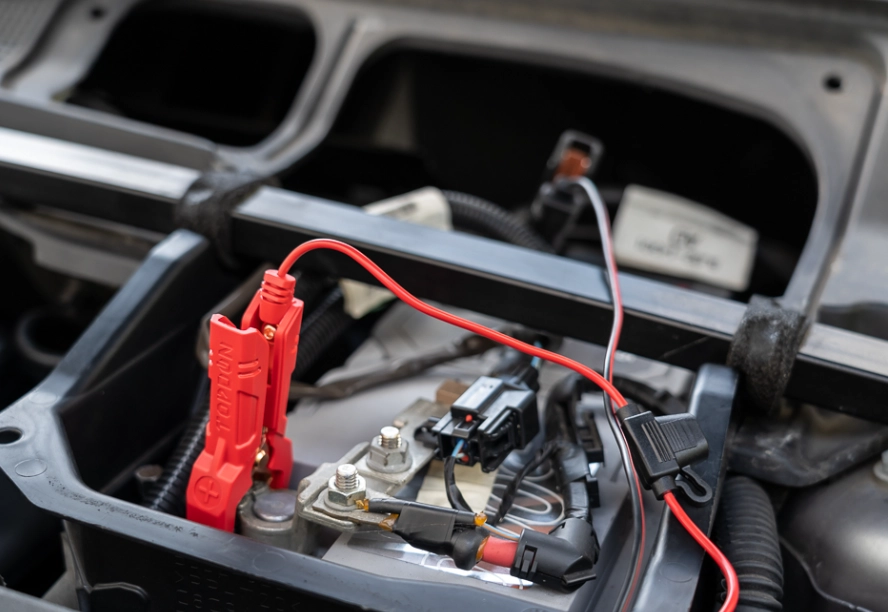
- Silence, or just a faint relay click from the dash? This is a "No Crank, No Click" or a "No Crank, Weak Click." The starter motor isn't getting enough power to engage.
- A loud, solid CLUNK or CLICK from under the car (near the engine), but the engine doesn't turn? This is a "No Crank, Single Click." Power is reaching the starter solenoid, but the starter motor itself isn't spinning.
- A rapid series of clicks (click-click-click-click)? Almost always a severely weak or dead battery. The battery has enough juice to pull in the starter solenoid but not enough to hold it and spin the motor.
- The engine turns over at normal speed but never "catches" and runs? This is "Cranks But Won't Start." The starter system is fine, but the engine isn't getting fuel, spark, or air.
Once you know the symptom, you can follow the right diagnostic path.
Diagnosing a "No Crank, No Click" Situation
If it's completely silent or you only hear a faint tick from inside the dashboard, the starter circuit is broken. Think of it like a light switch with multiple connections. One is broken.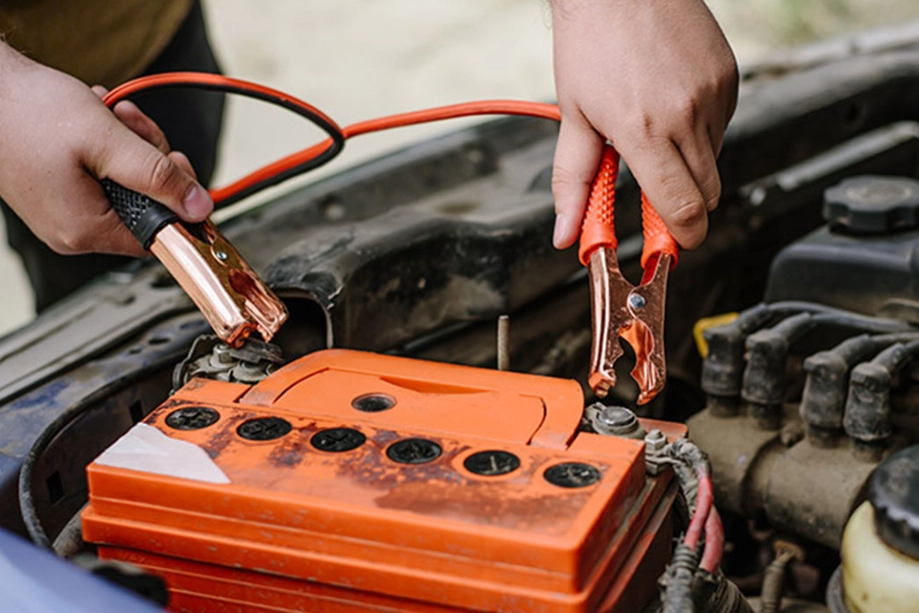
Pro Tip Most People Miss: Before you touch the battery, check if your car has a clutch safety switch (manual) or brake shift interlock (automatic). If you're not pressing the clutch or brake pedal fully, the computer won't even *try* to start the car. Jiggle the pedal. I once spent 20 minutes diagnosing a "dead" car only to find a floor mat jammed under the clutch.
Check #1: Battery Terminals and Cables
This is public enemy number one. Corrosion (that white/green crusty stuff) creates massive resistance. The lights might work because they need little power, but the starter needs hundreds of amps. A connection that's 90% corroded might still power a 5-amp radio but will completely fail a 200-amp starter draw.
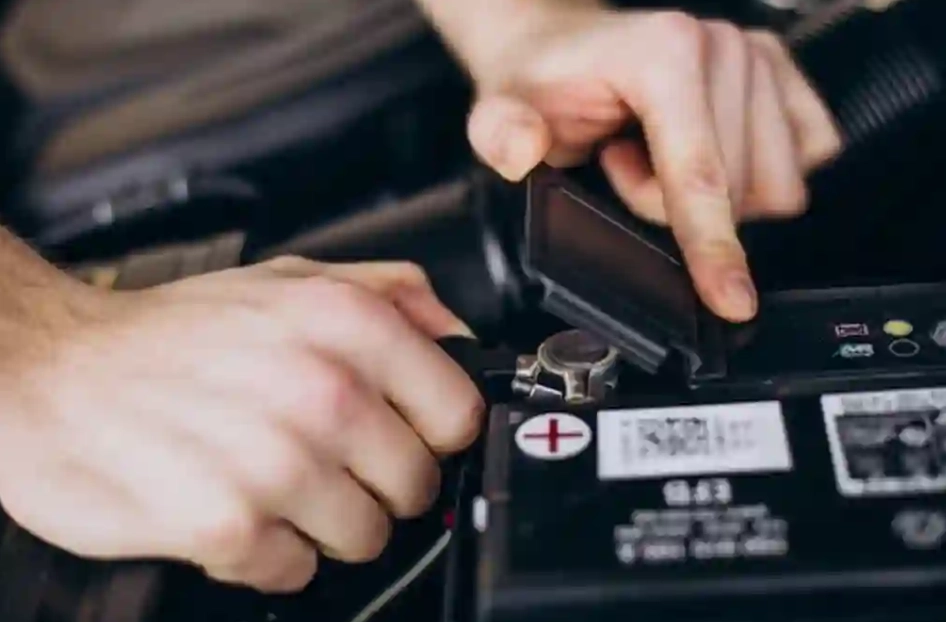
What to do: Pop the hood. Look at the battery terminals. Are they clean, tight, and free of bluish-white powder? Grab the positive (+) terminal and try to twist it. If it moves, it's loose. A loose or corroded connection is often the whole problem. Disconnect the cables (negative first!), clean the posts and terminals with a wire brush and baking soda/water mix, reconnect tightly (negative last).
Check #2: The Ignition Switch
The physical key cylinder wears out. When you turn the key, a mechanical part connects electrical contacts inside the steering column. If it's worn, it might turn to "ON" but not make contact for "START."
Simple Test: Turn the key to "ON," then gently jiggle it while turning it to "START." Sometimes it will catch. If this works intermittently, the ignition switch is failing. This is a very common failure point on older cars.
Check #3: The Starter Relay
This is a small, cheap electronic switch in the fuse box (under the hood or dash) that handles the high current for the starter. It's much easier to replace than the starter itself. Find your car's fuse box diagram (in the owner's manual or on the lid), locate the starter relay, and swap it with an identical relay from another slot (like the horn or A/C relay). If the car starts, you found the problem. A relay costs between $10 and $30.
Diagnosing a "No Crank, Single Click" Situation
You hear a definitive *CLUNK* from the engine bay. That's the sound of the starter solenoid (a smaller electromagnet on top of the starter) engaging and trying to push the starter gear into the flywheel. But the main motor doesn't spin. This usually points directly at two things:
- The starter motor itself is dead. The solenoid works, but the motor's brushes are worn out, the armature is fried, or it's internally shorted.
- The battery is weak, but not dead. It has enough power to pull in the solenoid (which takes less current) but not enough to spin the heavy motor. This is a gray area between a click and a rapid click.
The Test: First, rule out the battery. Do you have headlights? Turn them on and try to start the car. If the lights go extremely dim or out completely when you hear the click, the battery is likely the issue. If the lights stay bright, the battery probably has enough voltage, and the starter motor is likely faulty. You can try the old mechanic's trick of tapping the starter body *gently* with a hammer or wrench while someone turns the key. Sometimes this frees up a stuck brush or armature just enough to get one more start out of it—enough to drive to the shop.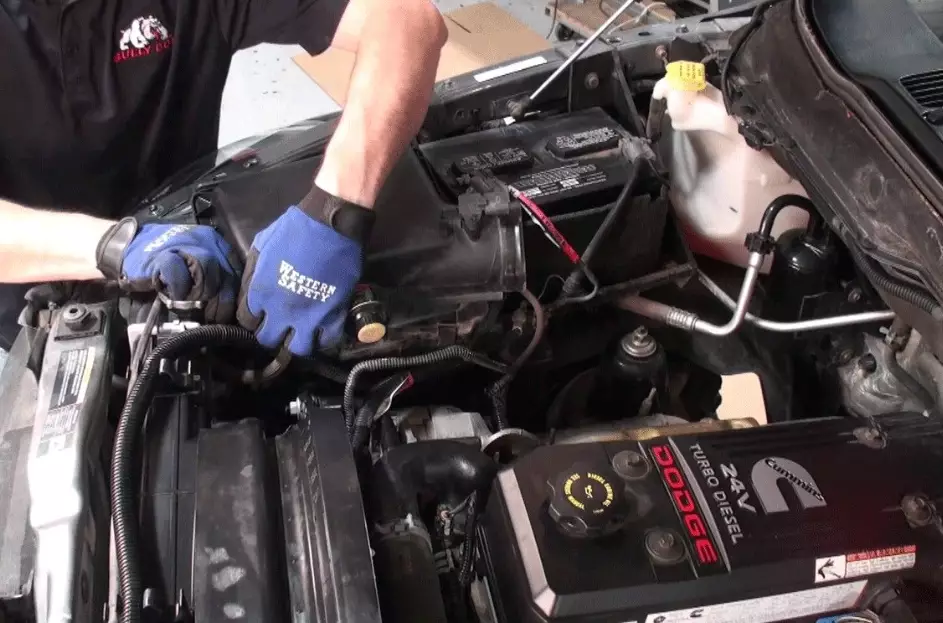
Warning: Only do this if you can safely reach the starter. It's usually mounted low on the engine, near where the engine and transmission meet. Don't go whacking things randomly.
Diagnosing an Engine That Cranks But Won't Start
This is a different beast. The starter is doing its job—spinning the engine—but the engine isn't firing. An engine needs three things: Spark, Fuel, and Compression. Since compression issues (like a broken timing belt) are less common and catastrophic, we focus on spark and fuel.
Is It Getting Fuel?
When you turn the key to "ON" (before starting), listen for a brief 2-3 second humming or buzzing sound from the rear of the car. That's the fuel pump priming the system. No sound could mean a dead fuel pump, a blown fuel pump fuse, or a bad relay.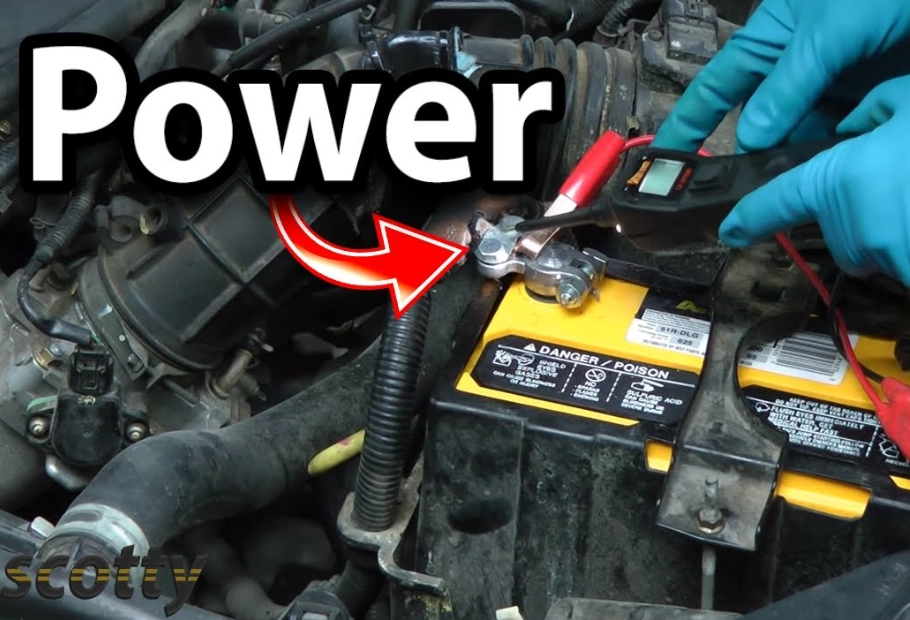
Another test: Find the Schrader valve on the fuel rail (looks like a tire valve stem). Carefully press the center pin with a small screwdriver (wrap a rag around it!). If a strong spray of fuel comes out, you have fuel pressure. If it just dribbles or nothing comes out, you have a fuel delivery problem.
Is It Getting Spark?
This requires a spark tester (a cheap tool) or an old-school method. Remove one spark plug wire, insert a spare spark plug into the boot, and ground the plug's metal body against the engine block (hold it with insulated pliers!). Have someone crank the engine. You should see a bright blue spark jump the gap. No spark? The problem could be a failed crankshaft position sensor (the computer's "eyes" to know when to spark), a bad ignition coil, or a failed ignition control module.
Here's a reality check: On modern cars, a failed crankshaft or camshaft position sensor is a very common cause of a crank/no-start. The car has no idea when to fire the plugs or injectors. The repair isn't always cheap, but the part itself often is.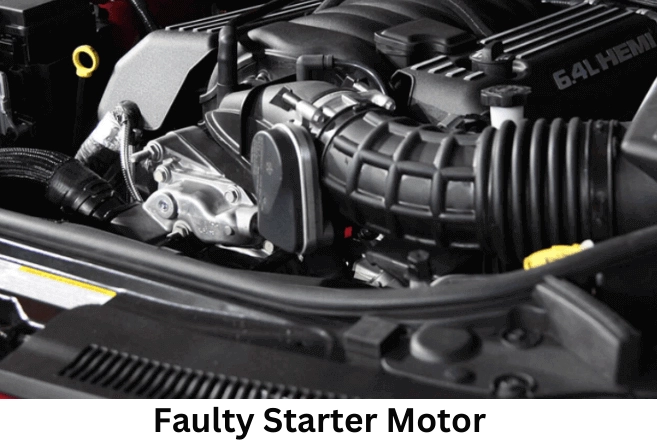
Modern Car Gotchas: Key Fobs and Security Systems
This catches so many people off guard. Your car has power, but it acts like it's completely dead to the starter. Often, there's a flashing security light on the dash (usually a little car with a key symbol).
- Dead Key Fob Battery: If your car uses a push-button start, a dead fob battery can prevent the immobilizer system from recognizing the key. Try holding the fob right against the start button. Many have a backup passive reader there.
- Immobilizer Glitch: Sometimes the system just glitches. The fix? Lock the car with the remote, walk away with the key for 5 minutes, then come back and try. This often resets the system.
- Faulty Door Lock Cylinder Sensor: On some cars with traditional keys, if the sensor in the driver's door lock doesn't read the chip in the key correctly, it won't disarm the immobilizer. Try using the spare key.
When to Throw in the Towel and Call a Pro
You've checked the battery connections, swapped the relay, listened for the fuel pump, and your key fob is new. Still nothing. It's time.
Diagnosing deeper electrical faults (bad ground straps, wiring harness issues, faulty engine control modules) requires a multimeter, wiring diagrams, and experience. If you smell gasoline strongly (flooded engine or leaking fuel), see smoke, or hear grinding metal sounds, stop immediately. These are safety issues.
Towing is cheaper than causing more damage. When you call the tow truck or shop, tell them exactly what you've done and what you hear: "It's a 2015 Honda Civic. It has full power, but when I turn the key, I hear a single loud click from the starter. The battery terminals are clean and tight. I swapped the starter relay, no change." This information is gold to a mechanic and will save diagnostic time (and your money).