You glance at your service reminder light or feel a slight vibration at highway speeds, and the thought hits you: "I should rotate my tires." The next question is almost automatic. How much does it cost to get a rotation? The answer isn't a single number. It's a range, influenced by where you go, what you drive, and what else is going on with your car. I've been writing about auto maintenance for over a decade, and the biggest mistake I see is people treating this service as a simple, fixed-price commodity. It's not. The advertised $29.99 special can easily balloon to $150 if you're not paying attention. Let's break down the real cost, so you know exactly what to expect and how to keep more money in your pocket.
What's Inside?
The Straight Answer: Average Tire Rotation Cost
Let's cut to the chase. For a standard passenger car or SUV with no major complications, you're looking at a national average of $35 to $80 for a professional tire rotation. The sweet spot for most people is right around $50 to $60.
I recently helped a friend price this out for her Honda CR-V. She called three places. The dealership quoted $89, a national tire chain offered a "special" for $39.99, and a local independent shop said $55. All for the same basic service. The $50 difference between the highest and lowest quote is why doing a tiny bit of homework pays off.
What Actually Drives the Price Up or Down?
Think of the base rotation price as just that—a base. Several key factors can adjust the final bill.
1. Your Vehicle Type
A compact sedan is easy. A heavy-duty pickup truck with dual rear wheels? That's a different story. Larger, heavier vehicles require more time and sometimes special equipment. Expect to pay $10 to $30 more for trucks, large SUVs, or vehicles with performance/specialty tires.
2. The Tire Rotation Pattern
Not all rotations are created equal. The standard front-to-back swap is simplest. Many modern cars, especially front-wheel-drive vehicles with identical-sized tires all around, use a "cross" pattern (moving front tires straight back, and rear tires diagonally to the front). This is still standard. However, if you have directional tires (treads designed to roll only one way) or a staggered setup (different sized tires front and rear, common on sports cars), a rotation may be limited or impossible. A shop might still charge you an inspection fee to tell you that.
3. Add-On Services (The Big One)
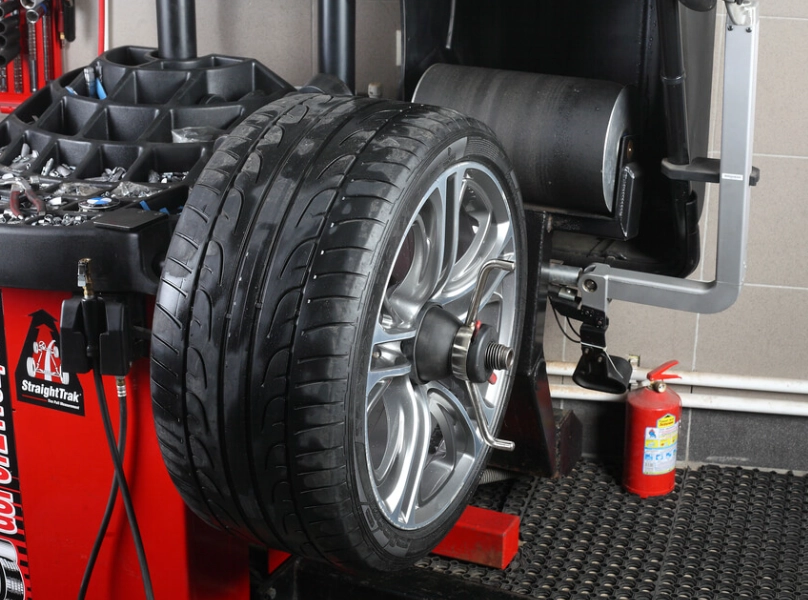
This is where costs can spiral. A shop will almost always recommend a tire balance and wheel alignment check during a rotation. Here's the non-consensus view: You rarely need a balance with every single rotation. Balancing addresses vibration caused by weight imbalances in the tire/wheel assembly. If you don't feel a shake in the steering wheel or seat, a balance every other rotation is often sufficient for most drivers. An alignment, however, is critical if you notice pulling or uneven tire wear. These add-ons can add $60 to $150+ to your ticket.
Shop Showdown: Where to Get Your Tires Rotated
Where you go has a massive impact on price and service quality. Here’s a real-world comparison based on recent market research and my own mystery shopping.
| Service Provider | Typical Base Price Range | Pros | Cons & Watch-Outs |
|---|---|---|---|
| National Tire Chains (e.g., Discount Tire, Firestone) |
$25 - $45 (often as a loss leader) | Competitive advertised specials, often free rotations for life if you buy tires there, fast service. | High-pressure environment for upsells (balances, alignments, new tires). The techs are often on commission. |
| Dealership Service Department | $70 - $120 | Familiar with your specific model, uses OEM specs, can flag other manufacturer recalls. | Most expensive option. May try to bundle with other overpriced maintenance items. |
| Local Independent Mechanic | $45 - $75 | Often the best value for honest advice. Less pushy on add-ons. May give a better overall vehicle inspection. | Might not have the latest tire-specific equipment. Busy shops may take longer. |
| Quick Lube/Oil Change Shops | $20 - $35 | Extremely cheap and convenient if you're already getting an oil change. | Biggest risk of mistakes or rushed service. Expertise is primarily in fluids, not tires/suspension. |
My personal go-to is a trusted independent mechanic. The price is fair, and he once saved me from buying unnecessary new tires by correctly identifying a worn suspension part that was causing odd wear. A chain shop had just told me I needed two new tires.
Should You Do It Yourself? The DIY vs. Pro Breakdown
Let's be honest: a tire rotation is one of the simpler DIY car jobs. You need a jack, a jack stand (never, ever rely on just the jack), a lug wrench, and about an hour of time. The cost? Essentially zero, aside from tool investment.
But here's the expert nuance everyone misses. The real value of a professional rotation isn't just the swap. It's the inspection. A good tech will check tire pressure meticulously, inspect for uneven wear patterns that hint at alignment or suspension issues, and look for nails, bubbles, or damage you might miss. They'll torque your lug nuts to the exact factory specification with a calibrated torque wrench—something most DIYers don't own. An under or over-torqued wheel is a safety hazard.
The "Gotchas": Watch Out for These Hidden Fees
The advertised price is rarely the out-the-door price. Here’s what can inflate your bill:
- The "Required" Tire Balance: As mentioned, shops push this hard. Politely ask if they've detected a vibration or if your tires show cupping/scalloped wear. If not, you can often decline.
- Waste/Environmental Fees: Some shops add a small fee ($2-$5) for tire disposal, even though they're not disposing of anything. Question it.
- TPMS Service Charge: If your car has Tire Pressure Monitoring System sensors, some shops charge an extra $10-$20 to "relearn" them after rotation. Many modern cars relearn automatically after a few miles of driving. Ask if this charge is mandatory.
- The "While We Have It Apart" Discovery: "Sir, we noticed your brake pads are at 10%." This may be true, but it's also the oldest upsell trick in the book. Get a second opinion on any major recommended repair that wasn't part of the original request.
Always, always get a written estimate that lists the rotation price separately from any add-on services before work begins.
Your Tire Rotation Questions, Answered
Frequently Asked Questions About Tire Rotation Costs
So, how much does it cost to get a rotation? Now you know it's a variable. You can find it for as little as $20 if you hunt for specials and resist upsells, or you can easily spend over $100 if you opt for the full package at a dealership. The key is understanding what you're paying for. A tire rotation is a fundamental piece of preventive care, emphasized by sources like the National Highway Traffic Safety Administration (NHTSA) as part of basic tire safety. By knowing the average cost, the factors at play, and the common pitfalls, you can ensure this small service protects your tires—and your wallet—for the long haul.