Your brakes are the most critical safety system on your car. Knowing how to tell if brake pads are bad isn't just about saving money on repairs—it's about preventing a dangerous situation. Ignoring the signs can lead to damaged rotors, a spongy brake pedal, or worst-case scenario, complete brake failure. I've seen it happen. The good news is your car gives you plenty of warning, usually through a combination of sound, feel, and visual cues. Let's break down the seven most common and reliable signs that your brake pads are worn out and need immediate attention.
What You'll Learn in This Guide
Listen Up: The Sounds of Worn Brake Pads
Your car will talk to you. The trick is understanding the language.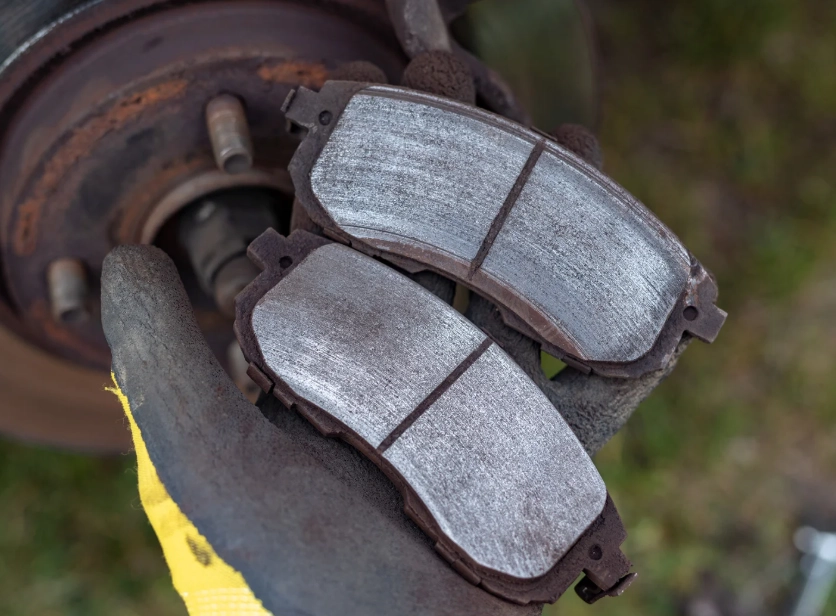
The High-Pitched Squeal or Screech is the classic sign. It's not the pad material itself. Modern brake pads have little metal tabs called wear indicators. When the pad material wears down to a critical level (usually around 2-3mm), this thin metal tab contacts the rotor. The resulting sound is a consistent, high-pitched squeal that happens every time you apply the brakes, regardless of speed or pressure. It's a built-in alarm clock telling you your time is up.
Here's a nuance most guides miss: the sound might disappear when you brake hard or in wet conditions. Don't be fooled. The water can temporarily lubricate the contact, and harder pressure might bend the indicator slightly. If it squeals during normal, gentle braking, the warning is active.
The Grinding or Growling Noise is a full-blown red alert. This harsh, metal-on-metal grinding means the friction material is completely gone, and the steel backing plate of the pad is now grinding directly against your brake rotor. This isn't just a pad problem anymore; it's guaranteeing you'll need new, expensive rotors as well. The cost just doubled or tripled. If you hear this, drive only as far as the nearest repair shop, and do it very cautiously.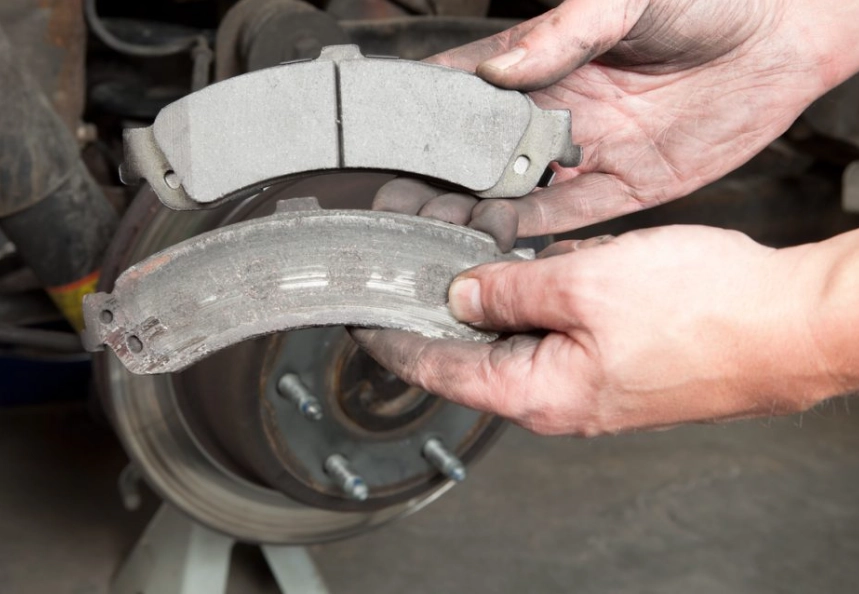
A quick story: A client once told me her car made a "clicking" sound when braking. It turned out a pad had worn so unevenly that a chunk broke off and was rattling around in the caliper. Unusual sounds of any kind deserve a look.
What Your Car is Telling You Through Feel
Braking is a tactile experience. Changes in pedal feel are direct messages from the front lines.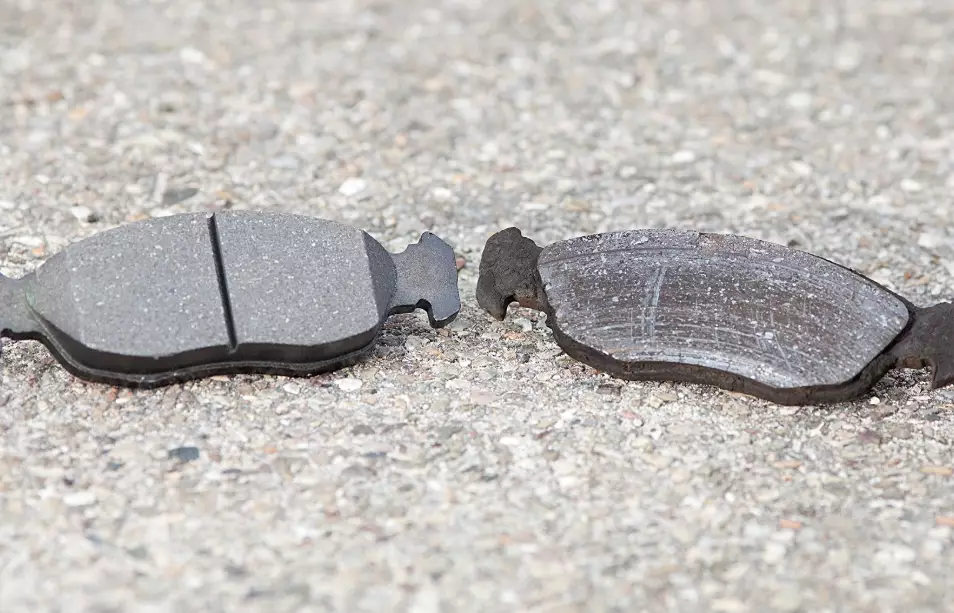
A Vibrating or Pulsating Brake Pedal (and sometimes the steering wheel) when you brake is often a sign of a warped rotor. But what causes a rotor to warp? Frequently, it's from excessive heat generated by overworked, thin, or glazed brake pads. The pad can't manage the heat properly anymore, transferring it unevenly into the rotor and causing it to distort. So, while the rotor is the immediate culprit, bad pads are often the root cause.
Longer Stopping Distances or a "Spongy" Pedal that goes closer to the floor than it used to can indicate severely worn pads. There's simply less material to create the friction needed to stop. However, a spongy pedal can also mean air in the brake lines or a problem with the brake fluid—both serious issues requiring professional diagnosis.
The Car Pulling to One Side during braking is a sneaky one. It might mean the pads on one side of the car are worn more than the other, or a caliper is sticking and not applying even pressure. This uneven braking force literally pulls the car to one side. It's dangerous and accelerates wear on the "good" side's components.
Look Closer: Visual Inspection Tips
You don't need to be a mechanic to get a good look. On most modern cars with open-spoke wheel designs, you can see the brake pad through the wheel.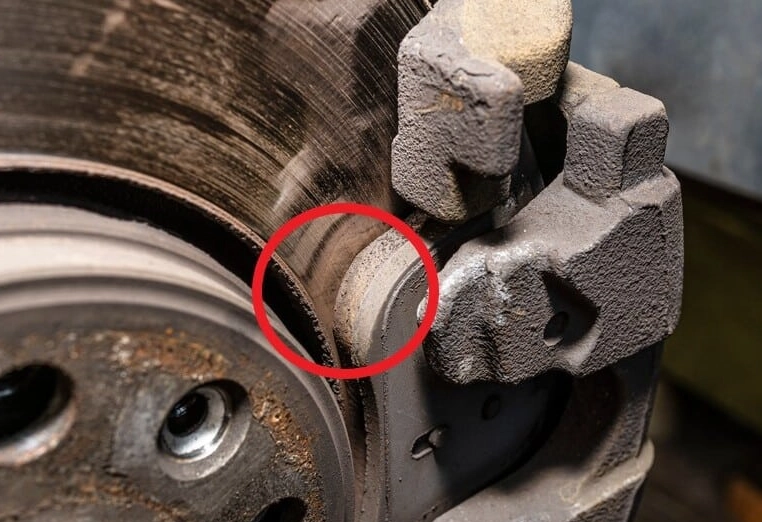
What are you looking for? The brake pad is a flat piece of material held in a metal bracket (the caliper). You want to see a thick layer of this material—the friction part—between the metal backing plate and the rotor. If the material looks very thin (less than 1/4 inch or 3mm), it's time. If you see the wear indicator metal tab touching the rotor, it's past time.
Also look for deep grooves or cracks in the pad surface, and check for an uneven wear pattern. One end of the pad wearing faster than the other is a sign of a problem with the caliper or slider pins.
How Do You Check Brake Pad Thickness Without Removing the Wheel?
For a more precise check, use a brake pad thickness gauge. You can slide it through the wheel spokes. No gauge? A simple ruler held up to the wheel can give you a rough idea. New pads are typically 10-12mm thick. Most mechanics recommend replacement at 3mm. The wear indicators usually engage at 2-3mm. If you're at or near 3mm, start planning the repair.
Pro Tip: Don't just check one wheel. Check the pads on both sides of the front axle and, if possible, the rear. Wear rates can differ. A full inspection gives you the complete picture.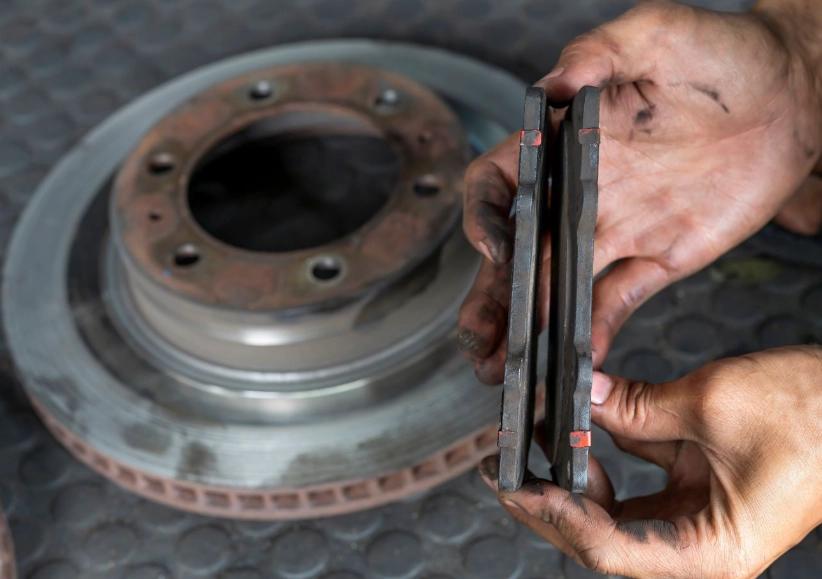
Here’s a quick-reference table to connect the symptom with the likely cause and urgency:
| Warning Sign | Likely Cause | Urgency Level |
|---|---|---|
| High-pitched squealing when braking | Wear indicator tab contacting rotor | Schedule soon (1-2 weeks) |
| Grinding or metal-on-metal growl | Pads completely worn, backing plate on rotor | Immediate / Do not drive |
| Vibration in pedal or steering wheel | Warped rotor (often from bad pads) | Schedule soon |
| Car pulls to one side when braking | Uneven pad wear or sticking caliper | Schedule soon |
| Brake dust on wheels suddenly decreases | Pads are worn out (no material left to dust) | Check immediately |
| Visual check shows less than 3mm of material | Normal wear and tear | Plan replacement |
You've Found Bad Brake Pads. What Now?
So you've diagnosed the issue. What's the real-world cost and process?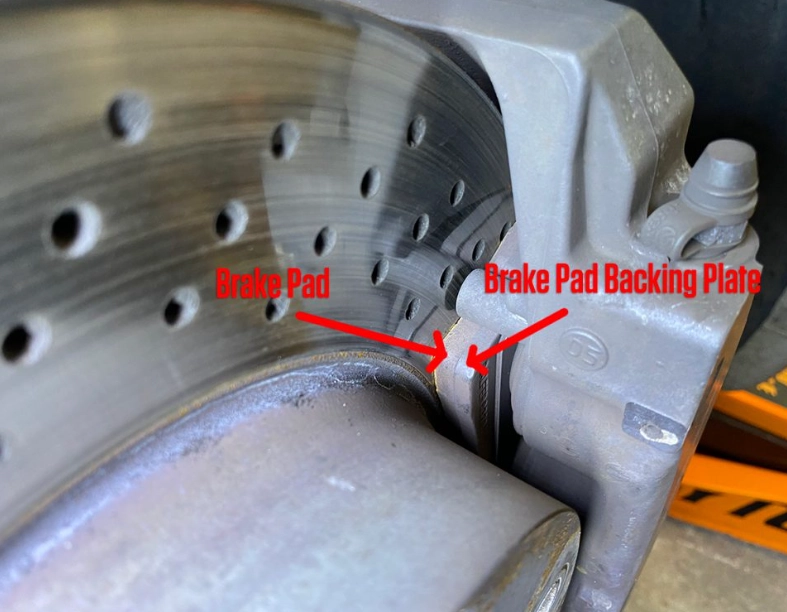
You're looking at two main costs: parts (pads, and possibly rotors) and labor. Pad-only replacement for one axle (both wheels) can range from $100 to $300 for parts and labor at an independent shop. If you need new rotors as well—which is very common and often recommended—the cost for one axle can jump to $250 to $600 depending on your vehicle and part quality.
Performance cars or luxury vehicles will cost more. Doing it yourself can cut the cost by more than half, but only if you have the tools, space, and confidence to work on a critical safety system. A mistake here has serious consequences.
When choosing new pads, you'll hear terms like ceramic, semi-metallic, and organic. For most daily drivers, ceramic pads offer a great balance: they're quiet, produce less dust (keeping your wheels cleaner), and offer good longevity. Semi-metallic pads can be more durable for heavier use but might dust more and be noisier.
Always, and I mean always, replace pads in axle sets (both front or both rear). Replacing just one side creates an imbalance that leads to pulling and uneven wear. Most reputable shops will insist on this.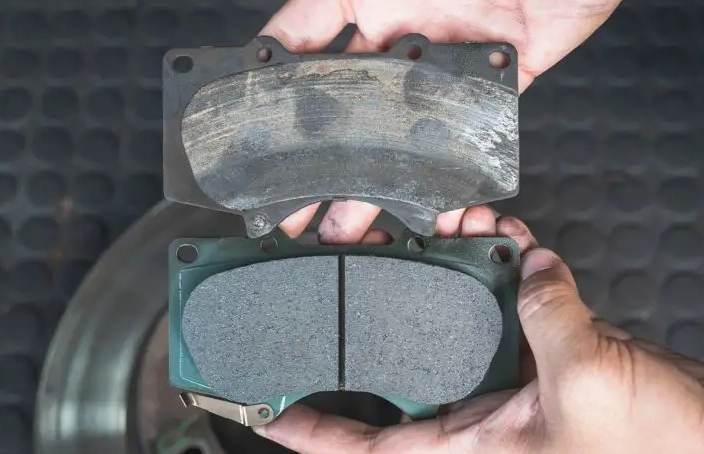
Your Brake Pad Questions, Answered
Staying ahead of brake pad wear is one of the smartest forms of car maintenance. It's proactive safety. Listening for the squeal, feeling for the vibration, and taking a moment to glance through your wheels every few months can save you from a costly rotor replacement or, more importantly, a scary moment on the road. Your brakes are a conversation. Now you know how to listen.
For official safety information and statistics on vehicle braking systems, you can refer to resources from the National Highway Traffic Safety Administration (NHTSA).