Let's be honest. That little sticker on your windshield with the next service mileage? Most of us ignore it until the check engine light comes on. I've been there—skipped a 30,000-mile service on my old Honda, thinking it was just a money grab. Six months later, a seized brake caliper cost me triple what the service would have. That's why a mileage-based maintenance checklist isn't just a suggestion; it's your car's lifeline.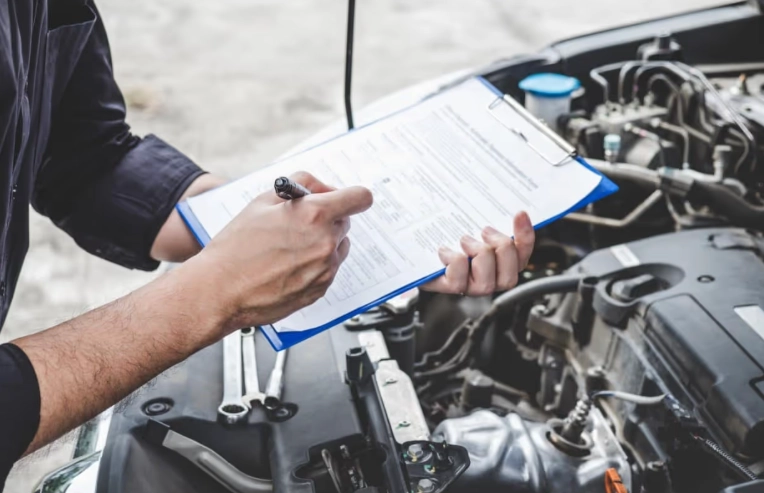
Your Mileage Maintenance Roadmap
Why Mileage-Based Maintenance Actually Matters
You might think time is the bigger factor—like changing oil every six months. But mileage tells the real story of wear and tear. Think of it this way: a car driven 20,000 miles in a year on highways experiences different stress than one crawling through city traffic for 10,000 miles. The manufacturer's mileage intervals, which you can find in your owner's manual or on sites like the National Highway Traffic Safety Administration (NHTSA), are engineered based on average use. Sticking to them prevents small issues from becoming wallet-draining disasters.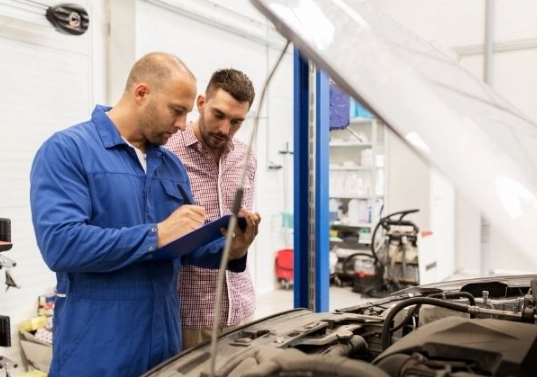
I learned this the hard way with my neighbor's truck. He followed time-based oil changes but drove mostly short trips. At 50,000 miles, sludge built up in the engine because the oil never got hot enough to burn off contaminants. A mileage checklist would have flagged more frequent changes for his driving style.
The Early Miles: 3,000 to 15,000 Mile Checkup
This is where most people get lazy. New car, feels fine, right? Wrong. Early maintenance sets the tone for your vehicle's lifespan.
What to Focus On Before 15,000 Miles
Here's a breakdown of key tasks. Don't just rely on the dealer's generic list—ask for specifics.
| Mileage Interval | Essential Tasks | Why It's Critical |
|---|---|---|
| 3,000 - 5,000 Miles | Oil and filter change, tire pressure check, brake inspection | Removes initial engine break-in debris; ensures brakes bed in properly. Many modern cars go longer, but for severe driving (lots of stop-and-go), this early change helps. |
| 7,500 - 10,000 Miles | Rotate tires, inspect cabin air filter, check fluid levels (coolant, brake fluid) | Prevents uneven tire wear; a clogged cabin filter reduces AC efficiency and air quality. I once paid $150 for an AC fix that was just a dirty $20 filter. |
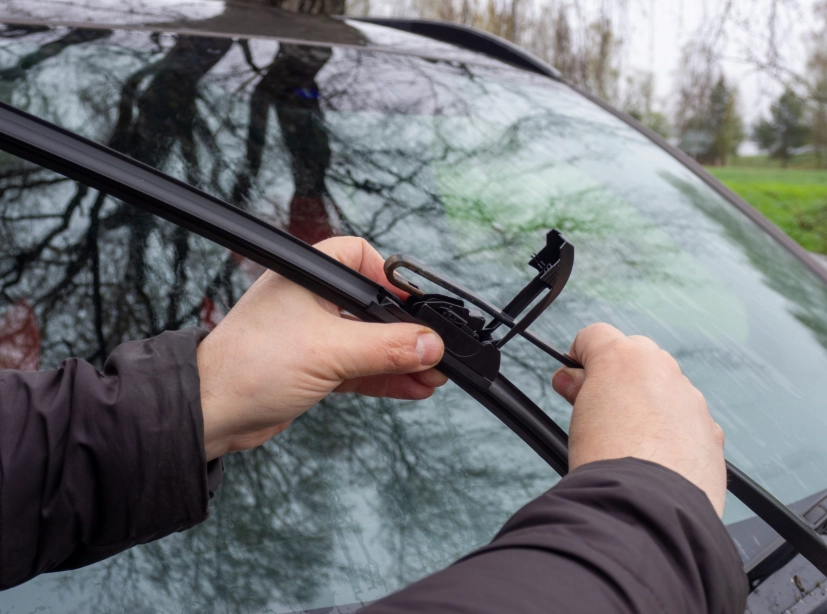
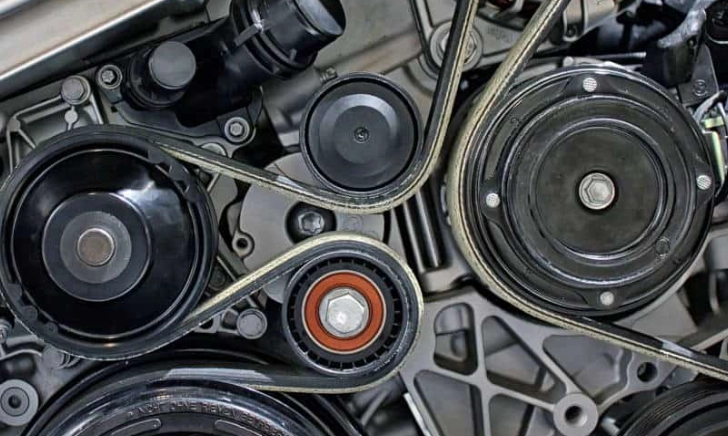
| 15,000 Miles | Comprehensive inspection: belts, hoses, battery, windshield wipers | Catches early wear on components that fail gradually. A cracked belt might not snap now, but at 20,000 miles, it could leave you stranded. |
Notice I didn't list things like "fuel system cleaning" here. That's often an upsell. Stick to the manual's core items unless you have symptoms like rough idling.
The 30,000 Mile Service: Don't Skip This One
This is a big one. If you do nothing else, get this service. At 30,000 miles, wear parts start showing their age, especially if you drive in harsh conditions.
The 30,000-mile service typically includes:
- Oil change and filter replacement – Standard, but use the correct oil grade. Synthetic is worth it for most cars.
- Air filter replacement – A dirty filter hurts fuel economy. I gained 2 MPG after changing mine at 28,000 miles.
- Brake fluid flush – This is often overlooked. Brake fluid absorbs moisture over time, reducing braking performance. It's not just about pad wear.
- Transmission fluid check – For automatic transmissions, some manufacturers recommend a change here. Check your manual—don't assume it's "lifetime" fluid.
- Steering and suspension inspection – Look for leaks or worn bushings. A clunking noise over bumps might mean control arm issues.
Here's a tip from my mechanic friend: At 30,000 miles, ask them to show you the old parts. Seeing a dirty air filter or discolored brake fluid makes the cost feel justified. Also, if you have a turbocharged engine, consider more frequent oil changes—turbo bearings are sensitive to sludge.
60,000 Miles and Beyond: Gearing Up for the Long Haul
Now your car is entering middle age. Maintenance shifts from prevention to replacement of key components. Ignoring this can lead to catastrophic failures.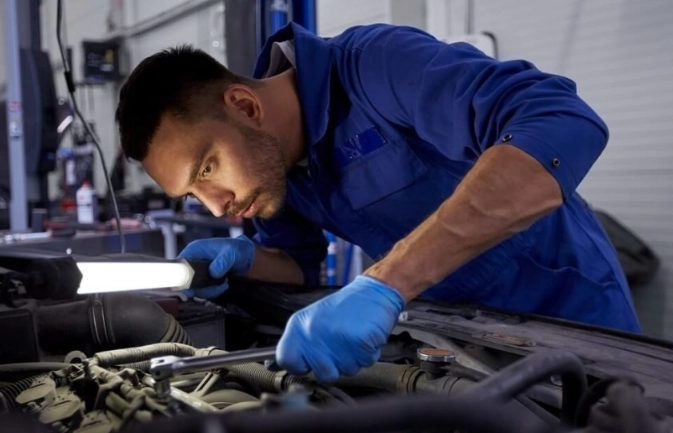
The 60,000-Mile Milestone
This service builds on the 30,000-mile list but adds heavier items. Expect to spend more, but it's cheaper than a new car.
- Spark plug replacement – For many cars, this is due at 60,000-100,000 miles. Worn plugs cause misfires and poor fuel economy. I replaced mine at 65,000 miles and the engine ran smoother instantly.
- Coolant flush – Coolant degrades and loses its anti-corrosion properties. Overheating from old coolant can warp the engine head—a repair costing thousands.
- Timing belt inspection/replacement – Critical for interference engines. If the belt breaks, valves can hit pistons. Replacement intervals vary (often 60,000-100,000 miles). Check your manual religiously.
- Fuel filter change – Often recommended around this mileage. A clogged filter reduces power and strain the fuel pump.
What about 100,000 miles? That's another major checkpoint. By then, you might need shocks, struts, or even a transmission service. The key is to monitor symptoms—like pulling to one side (alignment) or delayed shifting (transmission).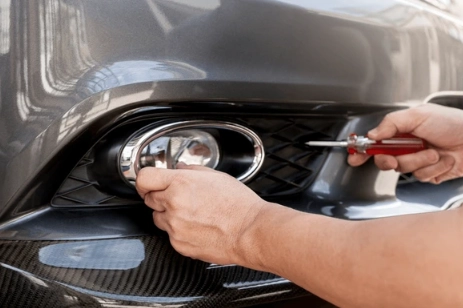
Common Mistakes Even Smart Car Owners Make
We all think we're doing it right until something breaks. Here are subtle errors I've seen over the years.
Mistake 1: Following the dealership's generic schedule blindly. Dealers often recommend more frequent services than the manual says. Cross-check with your owner's manual. For example, some suggest transmission flushes every 30,000 miles, but your car might specify 60,000.
Mistake 2: Ignoring driving conditions. If you drive in extreme heat, cold, or dusty areas, shorten intervals. My cousin in Arizona changes coolant more often because heat accelerates breakdown.
Mistake 3: DIY without proper tools. Changing spark plugs seems easy, but over-torquing can crack the cylinder head. I did this once on an old Toyota—cost me $500 to fix. Invest in a torque wrench or leave it to a pro for complex tasks.
Mistake 4: Forgetting about tires. They're not just rubber. Rotation every 5,000-7,500 miles extends life. Alignment checks at 15,000-mile intervals prevent uneven wear. I skipped alignment after hitting a pothole, and my tires wore out in 20,000 miles instead of 40,000.
Your Burning Mileage Maintenance Questions
Look, cars are machines. They wear out predictably if you pay attention to mileage. This checklist isn't about scaring you into spending money—it's about giving you control. Print it out, stick it in your glove box, and check off items as you go. Your wallet (and your car) will thank you in 100,000 miles.