Let's talk about a car that's fallen through the cracks in the EV conversation: the Tesla Model S 75D. Sandwiched between the iconic early P85Ds and the newer Long Range models, the 75D often gets dismissed as the "base model." After driving one for a year and helping three friends buy used examples, I think that's a massive mistake. If you're hunting for a used Tesla, the 75D might be the smartest financial and practical decision on the market right now. It's not the fastest or the longest-legged, but it hits a sweet spot of capability, technology, and—crucially—price that's hard to beat.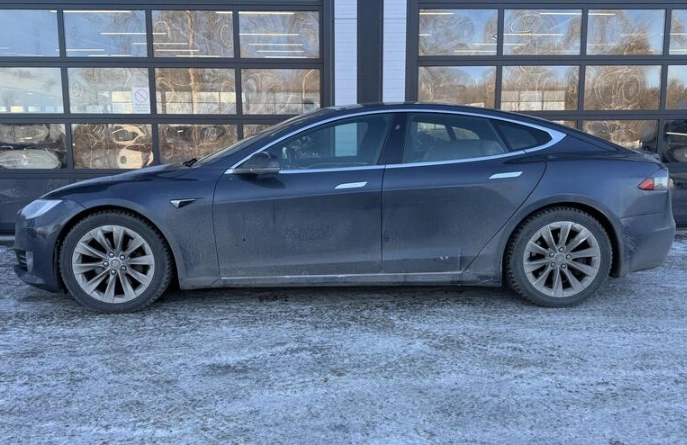
What's Inside This Deep Dive
What Exactly Was the Model S 75D?
Produced from roughly 2016 to early 2019, the 75D was the dual-motor, all-wheel-drive version of the standard-range Model S. The "75" referred to a 75 kWh battery pack (though usable capacity was closer to 72-73 kWh). It was positioned as the sensible choice—more range and all-weather security than the rear-wheel-drive 75, but without the eye-watering price tag of the Performance variants.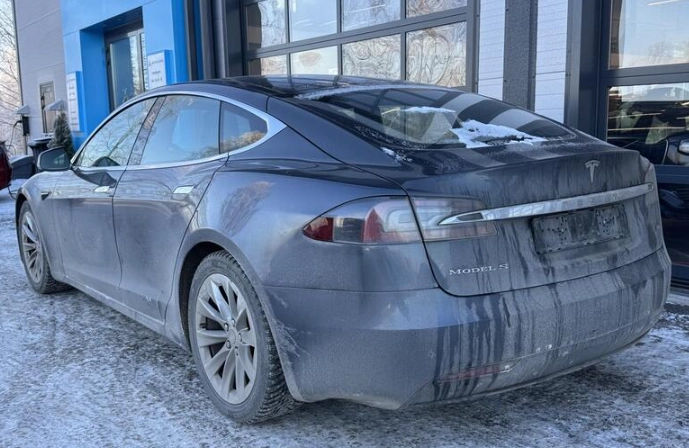
Here's the thing most reviews miss: the 75D is arguably the most reliable powertrain configuration Tesla sold during that era. The dual motors share the load, reducing stress compared to the brutal torque of a P100D. The battery pack, while smaller, doesn't push the energy density boundaries as aggressively as the 100 kWh pack, which has shown a slightly higher propensity for degradation issues according to data from fleet management reports.
Quick Reality Check: A clean 2017 Model S 75D with reasonable mileage can be found for $30,000 - $38,000 today. For context, that's often less than a new Toyota Camry. You're getting a luxury EV that originally cost over $80,000, with Autopilot hardware, a sublime ride, and supercharging access.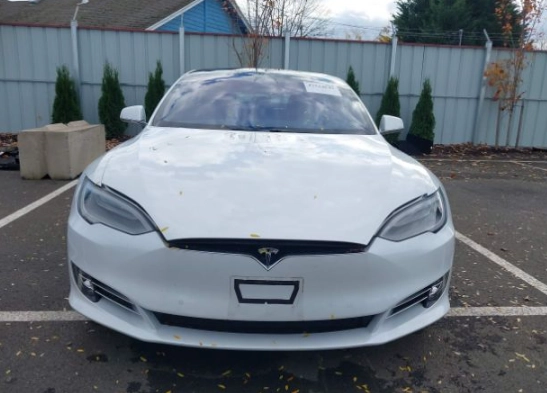
Model S 75D Performance and Range: What to Expect Today
Forget the original EPA sticker. A used car's real-world numbers are what matter.
Real-World Range in 2024
The 75D was rated at 259 miles new. On a full charge today, expect 230-245 miles displayed at 100% if the battery is in good health. In practice, driving at 70 mph on the highway in mild weather, you'll see about 215-230 real miles. In winter (think 20°F), that can drop to 180-200 miles. It's enough for 99% of daily driving and comfortable road trips with planned Supercharger stops every 2-2.5 hours—which, honestly, is a good rhythm for a break anyway.
The biggest factor isn't age, it's how the car was charged. A car that lived on Superchargers might have more degradation than one primarily charged at home to 80%. I looked at one with 90,000 miles that still had 94% of its original capacity because the owner was obsessive about L2 charging.
How Does It Drive Now?
The 4.2-second 0-60 mph time still feels brutally quick. The instant torque never gets old. Where it shines is the ride-handling balance. The air suspension on these cars is superb—plush over bumps yet composed in corners. It feels like a proper luxury GT car, a trait some newer Teslas have dialed back in favor of sportiness.
The steering is a point of contention. The old, heavier steering feel is beloved by enthusiasts but might feel oddly resistant if you're used to newer, lighter systems.
| Specification | Original (New) | Realistic Today (Good Condition) |
|---|---|---|
| 0-60 mph | 4.2 seconds | ~4.5 seconds (battery condition dependent) |
| EPA Range | 259 miles | 215-230 miles (70 mph highway) |
| Supercharging Rate (V2) | ~120 kW peak | ~90-110 kW peak (if battery warm) |
| Cargo Space (Frunk + Trunk) | 31.6 cu ft | Unchanged – still massive |
The Interior and Tech Evolution: Two Different Cars
This is critical. The Model S 75D spans two major interior generations.
Pre-Mid-2016 ("Classic" Interior): These have the vertical 17-inch screen, but the instrument cluster is a smaller, lower-resolution display. The center console lacks the sleek storage of later models. Materials feel a generation older. If you're considering a 2016, verify the build date. A late 2016 could have the next-gen interior.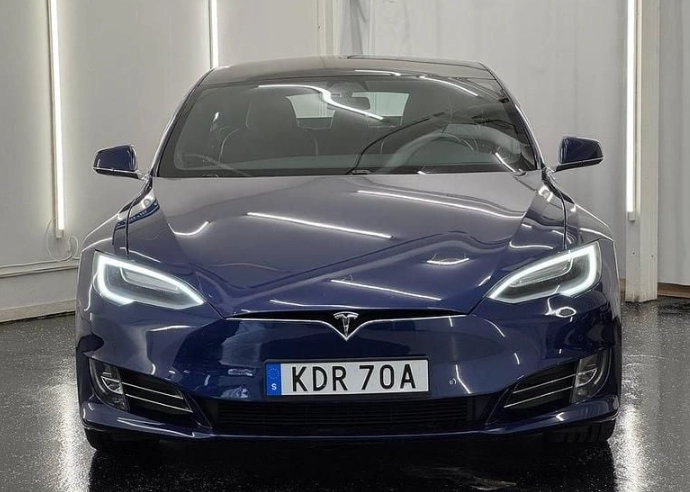
Mid-2016 Onward ("Next-Gen" Interior): This is the one you probably want. It introduced the much-improved, wider instrument cluster display, a more refined center console with covered storage, and better interior materials. It just feels more modern.
All 75Ds from this period have Tesla's Hardware 2 (HW2) or Hardware 2.5 for Autopilot. This enables features like Traffic-Aware Cruise Control and Autosteer (basic lane-keeping). It will not get Full Self-Driving (FSD) in its current form—that requires HW3. An upgrade is theoretically possible for a few thousand dollars, but weigh that cost against the car's total value.
The infotainment will feel slower than a new Model 3. Map rendering takes a beat longer. But it still receives software updates (albeit less frequently) and has all the core features: streaming, navigation, Sentry Mode (on later updates), and Dog Mode.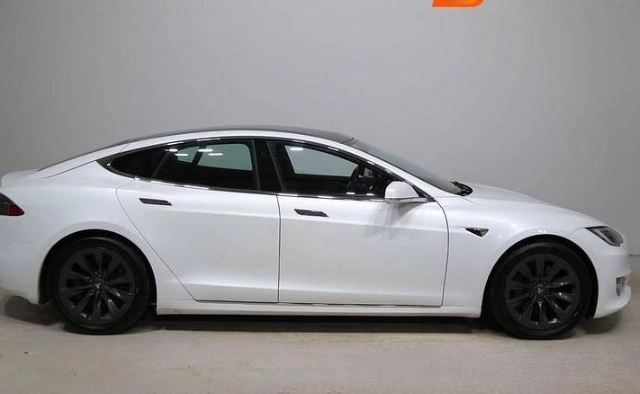
Key Considerations Before Buying a Used Model S 75D
This isn't a Camry. You're buying a complex, out-of-warranty luxury EV. Go in with eyes open.
Common Issues and Maintenance Costs
The door handles are the classic failure point. Expect to spend $300-$600 per handle to fix the non-presenting issue. It's not a matter of if, but when.
The air suspension is brilliant, but repair costs are not. A failing air strut can cost $1,500+ to replace per corner. Listen for groaning or hissing when the car adjusts its height.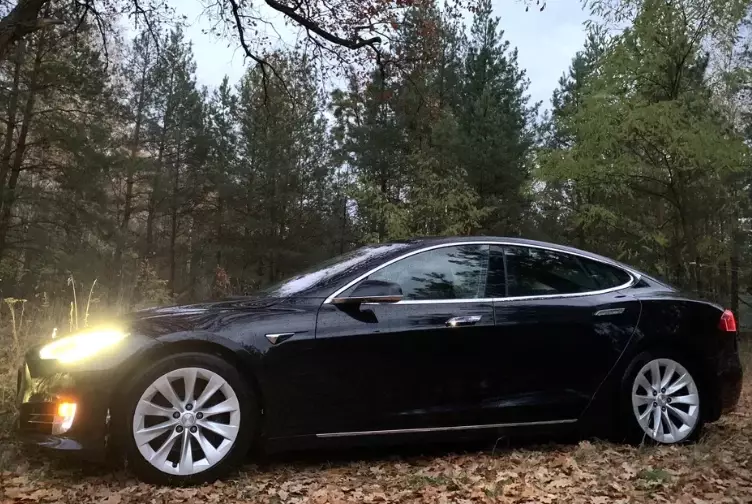
MCU (Media Control Unit) failure is a known issue, especially on earlier models. The screen gets "yellow borders" or becomes unresponsive. Tesla used to offer a $1,500 replacement program; now it's out-of-pocket. Budget for this possibility.
Tire wear can be aggressive due to the weight and torque. Rotate them every 6,000 miles religiously.
Battery and Drive Unit Warranty Status
This is your safety net. The original 8-year, unlimited-mileage battery/drive unit warranty for the 75D is expiring soon for early models (2016-2017). Check the in-service date with Tesla, not the model year. A car sold in late 2017 might have warranty coverage into late 2025. This warranty covers catastrophic failure, not degradation. Once it's gone, a battery replacement is a $15,000+ event.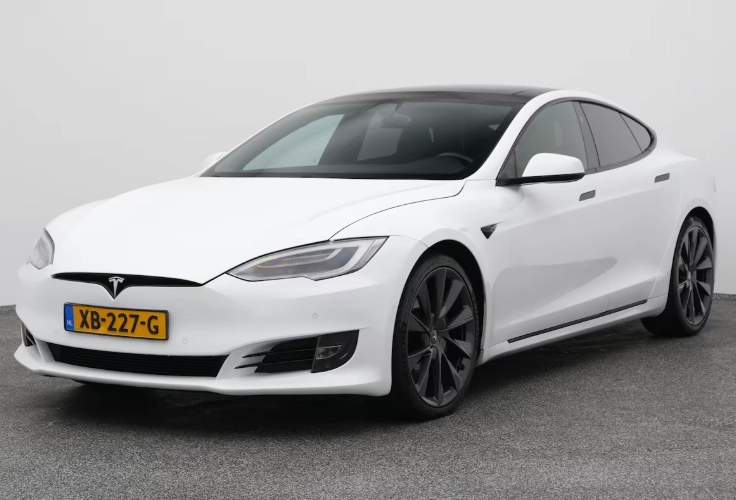
The Ultimate Pre-Purchase Inspection Checklist
Don't just kick the tires. Here's what you must do, in order.
Non-Negotiable Checks:
- Get a Battery Health Report: Use a service like Scan My Tesla with an OBD-II adapter (the port is behind the rear cupholder panel) or pay a third-party EV specialist. You want to see the nominal full pack value. Anything above 68 kWh is very good for its age. Below 64 kWh, walk away unless the price is rock-bottom.
- Check the In-Service Date & Warranty: Call Tesla with the VIN. Ask for: 1) Original in-service date, 2) Remaining battery/drive unit warranty, 3) Any open recalls or outstanding service campaigns.
- Test EVERY Door Handle: Present and retract each one 5-6 times in a row. Listen for grinding or hesitation.
- Full Air Suspension Cycle: In the settings, run the car from Very Low to Very High. Listen for loud compressors or groans. The car should lift evenly.
- Supercharge It: Take it to a V2 Supercharger with a low battery (below 20%). See what peak charge rate it achieves. It should briefly touch at least 90 kW. If it's stuck at 50 kW, there could be a battery cooling issue.
Your Burning Questions Answered
So, is the Tesla Model S 75D the right used EV for you? If you value a comfortable, quiet, and still-rapid grand tourer with usable range and can handle the potential maintenance quirks of a complex, aging luxury car, it presents an incredible value proposition. It's not a care-free appliance. It's a compelling piece of automotive history that, with due diligence, can be an extraordinarily satisfying daily driver without breaking the bank. Just go in with the checklist, ask the hard questions, and that sweet spot becomes very real.