Think about your car's engine for a second. You know it needs air (the air filter) and oil (the oil filter). But what about the fuel? It turns out, the gasoline or diesel you pump isn't perfectly clean. It contains microscopic rust, dirt, and debris picked up from storage tanks, transport trucks, and even the station's own underground reservoirs. Your fuel filter is the final, critical gatekeeper standing between that grit and your engine's expensive fuel injectors and combustion chambers.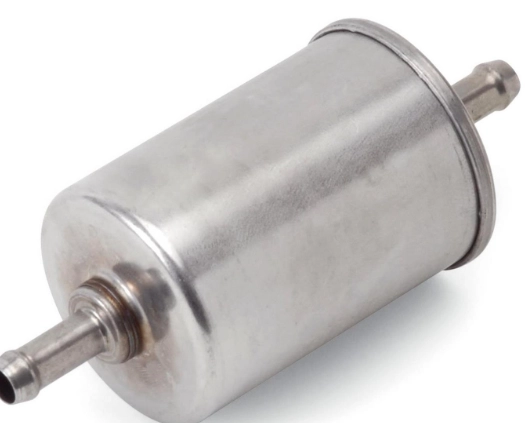
I've seen it too many times in the shop. A car comes in running rough, and the owner is convinced it needs new spark plugs or a throttle body cleaning. Nine times out of ten, it's a simple, neglected fuel filter. Changing it is one of the most cost-effective pieces of maintenance you can do, yet it's routinely forgotten until it causes a bigger problem.
What's Inside This Guide
What a Fuel Filter Actually Does (And Where to Find It)
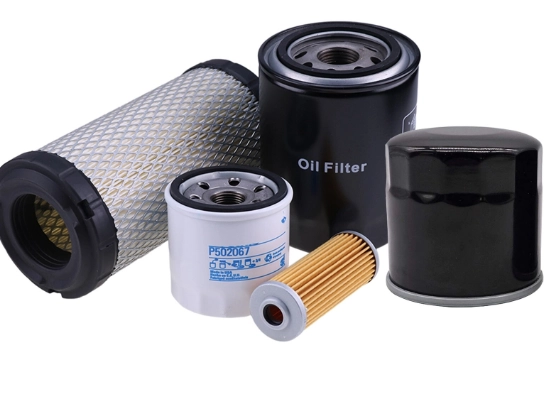
It's not just a screen. A modern fuel filter is a precision component, usually a cylindrical canister filled with a pleated paper or synthetic fabric element. This media is designed to trap particles as small as 10-40 microns. For perspective, a human hair is about 70 microns thick.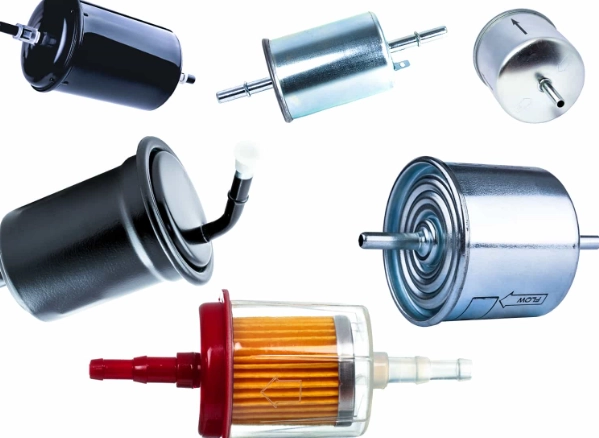
Here's the thing about fuel filters—their location isn't universal anymore.
- Older Cars (Pre-2000s): You'll often find an inline fuel filter made of metal or plastic, mounted along the fuel line under the car or in the engine bay. These are relatively easy to spot and replace.
- Modern Cars: To save space and reduce service connections, most automakers now integrate the fuel filter into the fuel pump module inside the gas tank. This is often called a "lifetime" filter, though that really means "the life of the pump." Replacing it usually requires dropping the fuel tank, which is a more involved job.
- Diesel Vehicles: Diesels often have two filters: a primary pre-filter (often with a water separator) and a secondary main filter. They're crucial because diesel fuel is more susceptible to water contamination and microbial growth ("diesel bug").
6 Clear Symptoms Your Fuel Filter is Failing
A clogging fuel filter doesn't fail all at once. It's a gradual process, and the symptoms can mimic other issues. Here are the telltale signs, in order of severity.
- Engine Hesitation Under Load: This is the classic. You're trying to accelerate onto a highway or climb a hill, and the car stumbles or feels like it's "starving" for power. The engine needs more fuel under load, and a restricted filter can't deliver it.
- Rough Idling or Frequent Stalling: If the filter is badly clogged, even the small amount of fuel needed to keep the engine idling smoothly can't get through consistently. The car might shake at stoplights or even stall.
- Hard Starting, Especially When Warm: Takes longer cranking to start the engine. A weak fuel pump combined with a dirty filter struggles to build enough pressure for a quick start.
- Loss of High-Speed Power: The car feels fine around town but feels flat and won't reach higher RPMs on the highway.
- Poor Fuel Economy: This is counterintuitive but common. The engine computer tries to compensate for a lean condition (not enough fuel) by adjusting various parameters, often leading to inefficient combustion and worse MPG.
- The Check Engine Light: As mentioned in the FAQ, persistent fuel starvation can trigger lean condition codes (like P0171) or random misfire codes. A mechanic's fuel pressure test is key here.
I remember a customer with a diesel pickup who complained about a lack of power. He'd already replaced the turbo actuator. The real culprit? The primary fuel filter was so clogged with algae-like gunk it looked like a science experiment. A $25 filter fix restored all his power.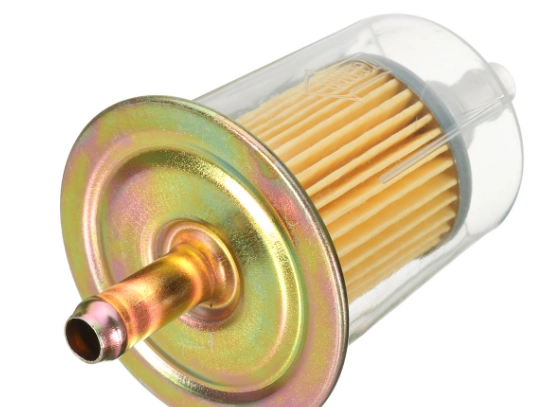
When Should You Replace Your Fuel Filter?
Forget the "lifetime" marketing. All filters wear out. Here’s a realistic schedule based on filter type and driving conditions.
| Filter Type / Vehicle | Standard Replacement Interval | Severe Service Interval* |
|---|---|---|
| Inline Filter (Gasoline) | Every 30,000 - 40,000 miles | Every 15,000 - 20,000 miles |
| In-Tank "Lifetime" Filter | Replace with fuel pump (or at 100k-150k miles if accessible) | Consider at 80,000 miles if symptoms appear |
| Diesel Primary Filter | Every 15,000 - 20,000 miles | Every 10,000 miles |
| Diesel Secondary Filter | Every 30,000 - 40,000 miles | Every 20,000 miles |
*Severe service includes: frequent short trips (engine never fully warms up), constant stop-and-go traffic, dusty environments, or consistently using lower-tier fuel stations.
How to Choose the Right Fuel Filter: A Buyer's Guide
Walking into an auto parts store can be overwhelming. Here’s how to cut through the noise.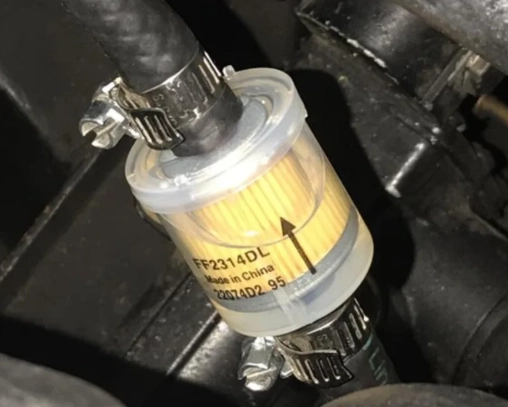
Step 1: Know Your Exact Part Number
This is non-negotiable. Use your vehicle's VIN number on the retailer's website or cross-reference your car's year, make, model, and engine size. A filter for a 4-cylinder Civic is different from one for a V6 Accord.
Step 2: Understand the Brand Tiers
Not all filters are created equal. The filtration media and construction quality vary widely.
- OEM (Original Equipment): Made by the company that supplied it to your car's manufacturer (e.g., Denso for Toyota, Bosch for VW). Perfect fit and performance, but usually the most expensive option at the dealership.
- Premium Aftermarket: Brands like Wix, Mann-Filter, Mahle, and Hengst. These are often the actual OEM suppliers selling under their own name. This is the sweet spot—OEM quality at a better price. I almost always use Wix or Mann.
- Standard Aftermarket: Brands like Fram, Purolator, or the store's house brand. They work, but the media might not be as robust or have the same capacity. Okay for a car you plan to sell soon.
- Budget/No-Name: Avoid these. The risk of poor sealing, incorrect micron rating, or even media breakdown isn't worth saving $8.
Step 3: Key Features to Look For
For Inline Filters: Check the inlet/outlet size and connection type (quick-connect, threaded, etc.). A photo of your old filter is your best friend.
For Diesel Filters: Look for a built-in water sensor or a clear bowl for the primary filter so you can see water accumulation. A primer pump on the housing makes bleeding the system infinitely easier.
My personal rule? I'd rather spend $28 on a Wix filter I trust than $20 on a generic one that might let crap through to my injectors.
The Fuel Filter Replacement Process: DIY or Pro?
This entirely depends on the location of your filter.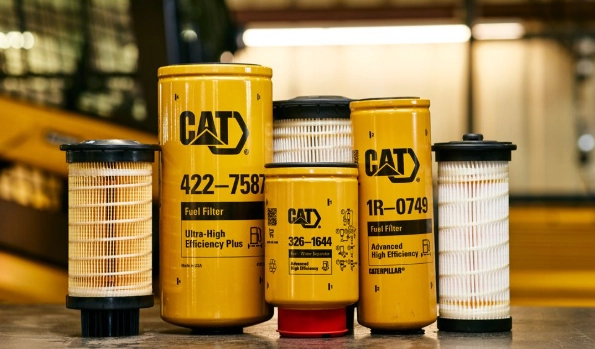
Scenario A: Inline Filter (DIY-Friendly)
If your filter is under the car along the frame rail or in the engine bay, many home mechanics can handle this with basic tools.
The Basic Steps:
- Relieve Fuel Pressure: Find the fuel pump fuse in your fuse box, start the car, and let it stall. Crank it once more to ensure pressure is gone. Safety first.
- Disconnect the negative battery cable.
- Locate the filter, often held by a bracket.
- Place a catch pan underneath. Have shop rags ready—some fuel will spill.
- Disconnect the fuel lines (note their direction!). Quick-connect fittings require a special plastic tool you can get for $5.
- Remove the old filter, noting the flow direction arrow.
- Install the new filter with the arrow pointing toward the engine.
- Reconnect lines, secure the bracket, reconnect the battery.
- Turn the key to "ON" (don't start) for a few seconds, then off, a couple of times to prime the system. Check for leaks before starting.
Scenario B: In-Tank Filter (Leave it to a Pro)
If your filter is part of the fuel pump assembly in the tank, the job complexity skyrockets. It involves dropping the fuel tank from under the car or accessing it from inside the cabin (under a rear seat). You're dealing with a full fuel tank, electrical connections, and delicate fuel level sender units. The labor cost at a shop is justified here.
What Does It Cost?
- Part Cost: $15 - $50 for a quality inline filter. $50 - $150 for an integrated fuel pump/filter module.
- Labor Cost (Shop): $60 - $120 for an inline filter. $300 - $600+ for an in-tank module replacement.
Getting a quote from a reputable independent mechanic is always wise. Dealerships will charge a premium for the same part.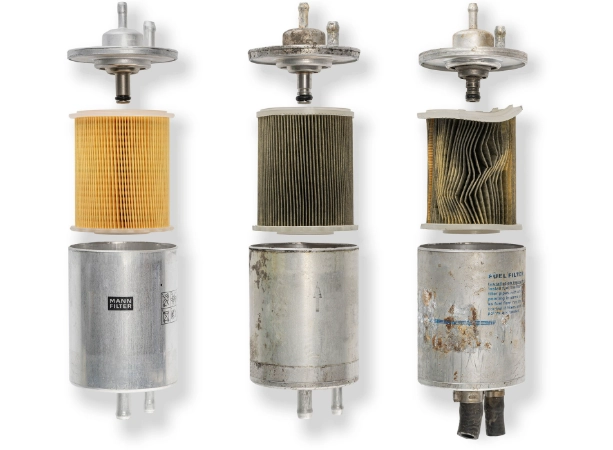
Your Fuel Filter Questions, Answered
Look, your fuel filter isn't glamorous. You'll never post a picture of it on social media. But paying attention to this small, inexpensive part protects some of the most expensive components in your car. It's cheap insurance. Check your maintenance schedule, listen to your car, and don't ignore those early symptoms of hesitation. Your engine—and your wallet—will thank you for miles to come.