Your Roadmap to Car Warranties
- What Exactly Is a Car Warranty? Breaking Down the Basics
- The Different Flavors of Car Warranty Coverage
- How to Actually Choose a Car Warranty Provider (The Real-World Checklist)
- The Top Players: A Look at Some Well-Known Warranty Companies
- The Nuts and Bolts: Buying and Using Your Warranty
- Frequently Asked Questions (The Stuff People Really Want to Know)
- Final Thoughts: Making Your Decision
Let's talk about car warranties. You know, that little booklet that comes with your new car that you probably tossed in the glove compartment and forgot about? Yeah, that one. It's one of those things you don't think about until something goes really wrong. Then it's all you can think about.
I learned this the hard way. A few years back, my transmission started making a noise that sounded like a bag of marbles being shaken. My factory warranty had expired just six months prior. The quote from the mechanic? More than my rent that month. That's when I started diving deep into the world of extended warranties, service contracts, and fine print. I made some mistakes, talked to a lot of people (including some very frustrated repair shop managers), and figured out what actually matters.
This guide is what I wish I had known. It's not about selling you anything. It's about giving you the straight talk so you can make a smart decision, avoid getting ripped off, and sleep better at night knowing what's covered on your car.
What Exactly Is a Car Warranty? Breaking Down the Basics
Think of it as a form of protection plan. You buy a car, and the company that built it (or another company) says, "We believe in this product enough to fix certain problems if they pop up early on." It's a huge part of the new car buying experience, and for used cars, it can be the difference between a great deal and a money pit.
There are two main worlds in the car warranty universe: the factory warranty that comes with the car, and the extended warranty you can buy later.
The factory warranty is your starting point. It's included in the price of a new car. This is the manufacturer putting their money where their mouth is. Most have a "bumper-to-bumper" period (typically 3 years/36,000 miles) that covers almost everything except wear-and-tear items like brakes and tires. Then there's the powertrain warranty, which is longer (often 5 years/60,000 miles or even 10 years/100,000 miles for some brands like Hyundai and Kia) and covers the big, expensive stuff: engine, transmission, drive axles.
But here's where it gets interesting, and where a lot of people get confused.
The Factory Warranty vs. The Extended Warranty
Your factory warranty is ticking down from the day you drive off the lot. When it's gone, it's gone. That's where an extended car warranty (though the industry prefers the term "vehicle service contract") comes in. It's essentially an insurance policy for repairs after the factory coverage ends.
You can buy these from a few places: directly from the car manufacturer (like GM's Chevrolet Protection Plan or Toyota's Extra Care), from independent warranty companies, or even through car dealerships (who are often just reselling contracts from the independents).
The big question everyone has: Are they worth it?
It depends. Completely. On your car, your driving habits, your financial cushion, and your tolerance for risk. If the thought of a sudden $3,000 repair bill keeps you up at night, an extended warranty might bring peace of mind. If you drive a famously reliable Toyota Corolla and have savings, you might skip it. There's no universal right answer, only the right answer for you.
The Different Flavors of Car Warranty Coverage
Not all plans are created equal. In fact, the variation is massive. Choosing the right type of coverage is the single most important step. They usually fall into a few tiers, from most to least comprehensive.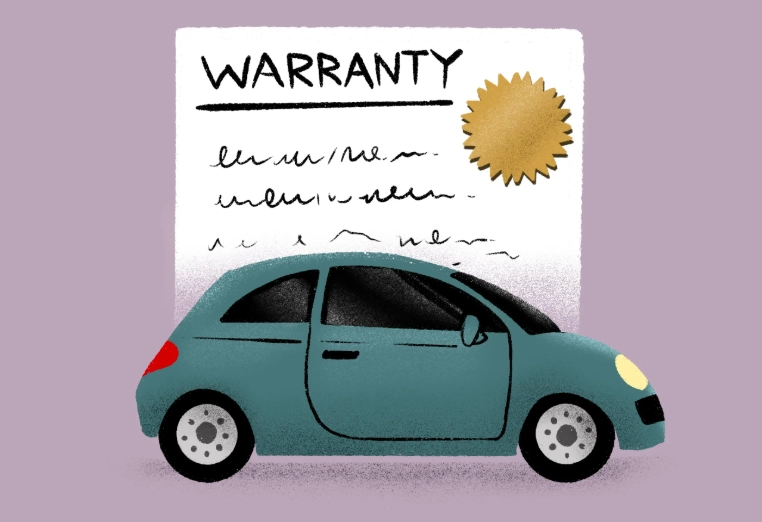
| Coverage Tier | What's Typically Covered | What's Typically NOT Covered | Best For... |
|---|---|---|---|
| Exclusionary ("Bumper-to-Bumper") | Virtually every part except a specific list of exclusions. This is the gold standard, mimicking the original factory warranty. | A short list: wear items (brake pads, wipers), maintenance, glass, body panels, environmental damage. | Newer cars, luxury vehicles, or anyone who wants maximum peace of mind and hates surprises. |
| Stated Component ("Named Perils") | Only the parts specifically listed in the contract. Common inclusions: engine, transmission, drive axles, steering, AC, electrical, fuel system. | Anything not on the list. This is where fine print nightmares happen (e.g., "engine" is listed but the turbocharger isn't). | A middle-ground option, cheaper than exclusionary, but you must read the list meticulously. |
| Powertrain-Only | Just the core components that make the car move: engine, transmission, drive axles/differentials. | Everything else. No help for AC failure, power windows, infotainment screens, etc. | Older cars or budget-conscious buyers who only want protection against catastrophic, total-the-car repair bills. |
| Drivetrain-Only | An even more stripped-down version, sometimes just transmission and drive axles. Be very careful here. | The engine! This is a common and costly surprise for people who confuse "drivetrain" with "powertrain." | Rarely a good idea unless it's incredibly cheap and you're specifically worried about a known transmission issue. |
See the difference? An exclusionary plan says, "We cover everything except these 10 things." A stated component plan says, "We only cover these 80 things." That second one leaves a lot of room for a denied claim on item number 81.
My personal rule? If I'm going to buy a plan, I lean towards exclusionary. The premium is higher, but the clarity is worth it. The last thing you want during a breakdown is an argument over semantics.
How to Actually Choose a Car Warranty Provider (The Real-World Checklist)
This is where the rubber meets the road. You've decided you want a plan. Now you have to pick a company. The market is full of them, from household names to companies you've never heard of. Here’s what you should be looking at, beyond just the price.
Financial strength matters. This company needs to be around in 4 years when your car breaks down. Look for providers that are backed by insurers with strong ratings from A.M. Best or Standard & Poor's. You can often find this info in the contract or by asking the sales agent directly.
Then, get into the nitty-gritty of the contract. This is boring but critical.
- Deductible: Is it per visit or per repair? Per visit is better. If your alternator and water pump go out at the same time, a per-repair deductible would charge you twice.
- Transferability: If you sell the car, can you transfer the warranty to the new owner? This can add resale value. There's usually a small fee.
- Cancellation Policy: Can you cancel if you change your mind? Is it a pro-rata refund? Are there hefty cancellation fees? Know your exit strategy.
- Shop Choice: Can you use your trusted local mechanic, or are you forced to use a network shop? I always prefer plans with freedom of repair facility. It means the warranty company is confident enough in their inspection process to work with any licensed shop.
Let's talk about claims for a second. The process should be simple. You call a toll-free number, they authorize the repair at your shop, you pay the deductible, and you're done. Ask the provider: "Walk me through a typical claim." If it sounds convoluted, be wary.
The Top Players: A Look at Some Well-Known Warranty Companies
I'm not going to rank them as "best" because "best" depends on your needs. But I'll mention a few of the big names you'll encounter and what they're generally known for. Do your own fresh research, as things change.
CarShield: You've probably heard their ads. They're a massive marketer and offer a range of plans from powertrain to exclusionary. They work with a network of repair shops. Reviews are mixed—some people have great experiences, others report headaches with claims. Their high visibility means they get a lot of scrutiny.
Endurance: Direct-to-consumer provider that is often praised for its direct handling of claims (they administer their own contracts). They offer a variety of plans and are known for having several deductible options. They also have a few unique perks like roadside assistance and rental car reimbursement on most plans.
Manufacturer Plans (e.g., GM Protection Plan, Ford Protect): These are the factory-backed extended warranties. The big advantage? They are usually honored seamlessly at any dealership for that brand nationwide, using genuine OEM parts. The downside? They are often more expensive than third-party plans. But for simplicity and perceived reliability, many people go this route.
Credit Union & AAA Plans: Often overlooked gems. Many credit unions and AAA clubs partner with reputable warranty administrators to offer plans to their members. These can be very competitive because they leverage the trust of the parent organization. Always check with your credit union.
I once bought a plan through a credit union. The price was fair, and the one time I used it (for an AC compressor), the process was straightforward. The shop called, got approval, and that was it. No drama. That's what you want.
The Nuts and Bolts: Buying and Using Your Warranty
When Should You Buy?
Timing is everything. For an extended warranty, the best time to buy is usually before your factory warranty expires. Why? First, you're still covered, so there's no pressure. Second, the car is newer and has fewer potential "pre-existing conditions," which can make you ineligible or increase the cost later. Some companies won't even cover a car once the factory warranty is expired and it hasn't been inspected.
Dealerships will often try to sell you an extended warranty the day you buy the car, rolling the cost into your loan. That's convenient, but you're paying interest on it for years. You can almost always buy the same manufacturer plan later, before the factory warranty runs out. Shop around.
How Does a Claim Actually Work?
Here's the real-world sequence, based on my experience and talking to mechanics:
- Breakdown. Your car stops working or makes a terrible noise.
- Call Your Provider. Before any disassembly, call the warranty company's claims number. Give them your contract number, vehicle info, and the problem.
- Get Authorization. They will tell you to take it to a repair shop (your choice or theirs). The shop will diagnose the problem and call the warranty company with an estimate.
- The Approval. The warranty company reviews the estimate. They may ask the shop to use a re-manufactured part instead of new, or to verify that the failure isn't due to lack of maintenance (this is a big one). Once approved, they give an authorization number.
- Repair & Pay. The shop does the work. You pay the deductible directly to the shop. The warranty company pays the shop the rest.
The key is communication. Never just get a big repair done and then send the bill expecting reimbursement. It won't work.
Frequently Asked Questions (The Stuff People Really Want to Know)
Is an extended car warranty a waste of money?
It can be, if you never use it. It's a risk-pooling product, like most insurance. Statistically, the warranty company wins (they price the plans to make a profit overall). But for the individual who faces a $5,000 transmission failure, it's a financial lifesaver. It's less about investment and more about budgeting and risk management. Ask yourself: "Can I afford a surprise $2,000 repair?" If the answer is no, a warranty shifts that risk for a known monthly or upfront cost.
Can I get a warranty on a used car?
Absolutely. In fact, that's a huge part of the market. Many companies offer plans for used cars, even with higher mileage. The cost will be higher and the coverage options more limited than for a new car, but it's available. Some used car dealerships sell "certified pre-owned" (CPO) cars that come with a manufacturer-backed extended warranty, which is often a very good deal.
What's the difference between a warranty and mechanical breakdown insurance?
Great question. A car warranty or service contract is a fixed-term agreement you buy for a lump sum or installments. Mechanical Breakdown Insurance (MBI) is an add-on to your regular auto insurance policy (companies like Geico offer it). MBI usually requires a monthly premium and works more like your collision insurance—you file a claim, pay a deductible, and they pay the shop. The coverage terms can be similar, but the regulatory framework and claims process are different. MBI might be cheaper month-to-month but may have more restrictions on repair shops.
Are there alternatives to buying a warranty?
Yes. The most straightforward alternative is to "self-insure." Take the money you would have spent on the warranty premium and put it in a dedicated savings account. If nothing breaks, you keep the money. If something does break, you use that fund. This requires discipline, but it's the most financially efficient method if you can handle the potential for a large, unexpected draw. For older cars, sometimes the better strategy is to just budget for repairs as they come.
What about aftermarket parts? Are they covered?
This is a contract-specific grey area. Most warranties will only pay for parts of "like kind and quality" to what failed. They often specify using re-manufactured or aftermarket parts to control costs. If you insist on a brand-new, genuine OEM part from the dealership, you might have to pay the price difference out of pocket. It's something to discuss with the shop and the warranty adjuster during the claim.
Final Thoughts: Making Your Decision
Navigating car warranties isn't fun. It's full of jargon, fine print, and sales pressure. But taking the time to understand it is empowering.
Start with your vehicle. Is it known for reliability? Check resources like Consumer Reports for reliability ratings and common failure points. A Honda with a great history might need less protection than a European luxury car with complex electronics.
Be honest about your finances and your personality. If you're the type who worries, the peace of mind has a real value that isn't just about dollars and cents.
If you decide to buy, read the sample contract. All of it. Compare not just price, but the coverage terms, the deductible structure, the shop choice, and the company's reputation for paying claims. Don't be rushed by a "today-only" price. That's almost always a sales tactic.
Remember, the goal of any good car warranty is to turn a potential financial catastrophe into a manageable inconvenience. It's there so that when you hear that weird noise, your first thought is, "I need to get that checked out," not "Oh no, how am I going to pay for this?"
Drive safe, and may your warranty paperwork remain untouched in your glove compartment for years to come.