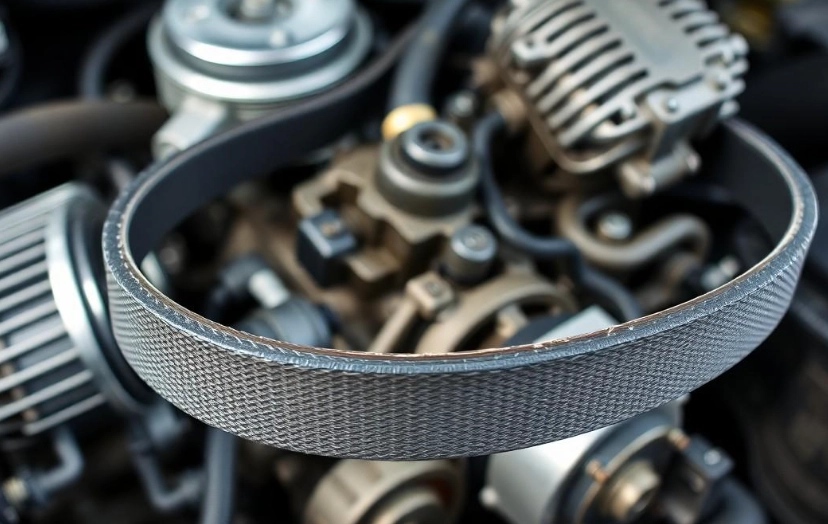
Popping the hood shouldn't feel like lifting the lid on a greasy, forgotten toolbox. A clean engine bay isn't just for car show bragging rights. It's a practical piece of maintenance that can save you money and headaches down the road. I learned this the hard way years ago when a small oil leak went unnoticed for months, hidden under a thick layer of dirt and grime. By the time I found it, the repair bill had doubled. Let's talk about what engine cleaning really involves, beyond the quick spray at the car wash.
What You'll Learn Inside
Why Engine Cleaning Matters
Think of it as a check-up. A clean engine lets you spot problems early. That tiny coolant seepage or a weeping valve cover gasket? Impossible to see under caked-on mud and oil sludge.
Corrosion is a silent killer. Road salt, moisture, and acidic grime accelerate rust on metal brackets, bolts, and even wiring harnesses. A regular clean removes this corrosive layer.
Then there's resale value. A potential buyer who sees a spotless engine bay assumes the car has been meticulously cared for. It signals that other, more critical maintenance was probably done on time.
Does it improve performance? Not directly. But a clean engine runs cooler. Heavy dirt acts as an insulator on the engine block. While the effect is marginal for daily driving, every bit helps, especially in older cars.
When Should You Clean Your Engine?
This isn't a monthly chore. Here’s my rule of thumb.
Do it once a year, ideally in spring. You wash off the winter's salt and grime. It's the perfect pre-summer inspection point.
Before selling your car. It's one of the highest-return detailing tasks you can do.
After fixing a leak. Once you've replaced that oil pan gasket or coolant hose, clean the area thoroughly. You'll know instantly if the repair holds or if there's a new drip.
If you're about to work on it. No one wants to drop a bolt into a pile of greasy leaves. A clean workspace is a safer, more pleasant workspace.
Hold off if the engine is hot. Wait until it's cool to the touch. And if you have a major electrical issue or exposed wiring, fix that first.
How to Clean Your Engine Bay Safely at Home
Fear of water is the biggest mental block. Modern engine compartments are designed to handle rain and puddles. The key is avoiding high-pressure streams that can force water past seals. Here's a method I've used for years without a single problem.
Gather Your Tools & Materials
| Item | Purpose | Note |
|---|---|---|
| Engine Degreaser | Loosens oil and grease | Choose a biodegradable, non-flammable formula. |
| Plastic Bags & Rubber Bands | To cover sensitive parts | Alternator, fuse box, air intake are priorities. |
| Soft Bristle Brushes | Agitate dirt in crevices | Old toothbrushes work great. |
| Microfiber Towels | Wiping and drying | Have several on hand. |
| Garden Hose with Spray Nozzle | Rinsing | Use the "shower" or "mist" setting, NOT "jet". |
| All-Purpose Cleaner | For plastics and rubber | Diluted Simple Green is a classic. |
The Step-by-Step Process
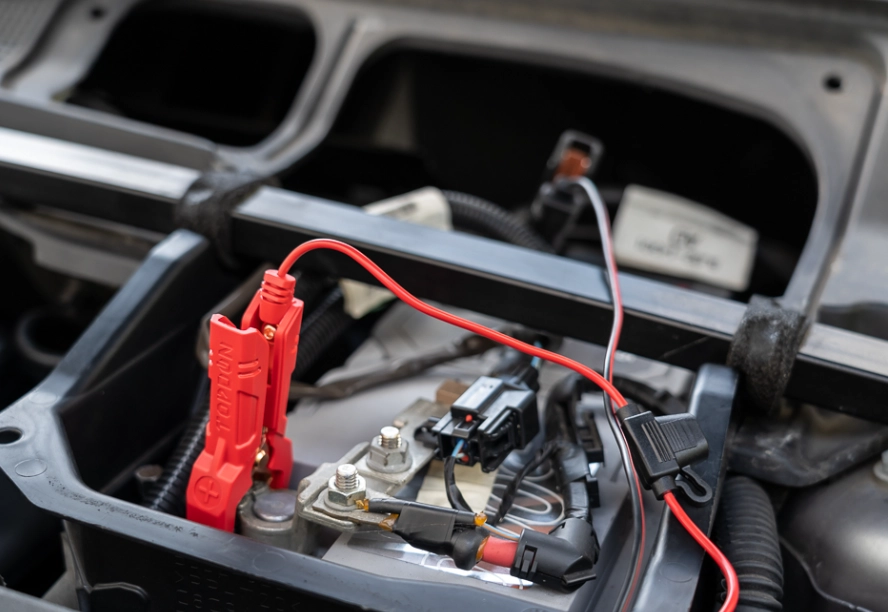
First, start the engine and let it run for 2-3 minutes. A slightly warm engine (not hot) helps the degreaser work better. Then turn it off and disconnect the negative battery terminal. Safety first.
Now, cover the sensitive spots. Bag the alternator, the main fuse/relay box, and the air intake opening. Secure them with rubber bands. Don't skip this. It takes two minutes and eliminates 99% of the risk.
Spray the degreaser liberally over the entire bay, focusing on dirty areas. Avoid spraying directly onto electrical connectors if you can. Let it soak for 5-10 minutes. Don't let it dry.
Use your brushes to scrub tough spots. The brush is doing the work, not the water pressure.
Rinse with a gentle stream of water. Start from the top and work down. Keep the hose moving. This is not a pressure-washing contest.
Once dry, you can apply a protectant to plastic and rubber hoses. This gives that "like-new" finish and helps repel dust.
Internal Engine Cleaning: Addressing Carbon Deposits
This is a different beast. Here we're talking about cleaning the inside of the engine—combustion chambers, intake valves, fuel injectors. Carbon buildup is a real issue, especially in modern direct injection (GDI) engines where fuel doesn't wash over the intake valves.
Symptoms include rough idle, loss of power, poor fuel economy, and hesitation. If you're experiencing these, a cleaning might be in order.
Fuel Additives: The bottles you pour into your gas tank. They're mild and preventative. They can help clean injectors and some combustion chamber deposits over time. Don't expect miracles for severe buildup. Look for products with Polyether Amine (PEA) as the active ingredient; studies from organizations like SAE International have noted their relative effectiveness.
Professional Services: This is where the real work happens. A tech will use a specialized machine to introduce a cleaning solvent directly into the intake or fuel system. It's far more aggressive and effective for tackling heavy carbon deposits on GDI intake valves.
My take? Use a quality fuel additive every 5,000 miles as maintenance if you have a GDI engine. If you have drivability symptoms, skip the additive and go straight to a professional diagnosis and cleaning service.
Engine Cleaning Costs: DIY vs. Professional
Let's talk numbers.
DIY Engine Bay Cleaning: Your cost is just supplies. A good degreaser ($10), a detailer spray ($8), and some brushes. Maybe $25-$30 total for years of use. It takes 1-2 hours of your time.
Professional Engine Bay Detailing: This typically ranges from $100 to $250. You're paying for their expertise, time, and commercial-grade products. They'll often dress all the hoses and plastics, making it look spectacular. Worth it before a sale or if you simply don't want to do it.
Professional Internal Carbon Cleaning: This is a more involved service. Prices vary widely based on the method and the car, but expect to pay between $200 and $600. It's a significant investment, so only consider it if you have confirmed symptoms of carbon-related issues.
Common Engine Cleaning Mistakes to Avoid
I've seen these too often.
Spraying degreaser on a hot engine. It can flash off too quickly, leaving streaks, and some chemicals can damage hot surfaces or create harmful fumes.
Not covering the alternator and fuse box. It's a simple step that prevents 99% of potential issues. Why gamble?
Using harsh household cleaners. Bleach-based or abrasive cleaners can discolour and degrade plastics and rubber hoses, causing them to become brittle and crack over time.
Forgetting to run the engine afterwards. That trapped moisture needs to evaporate. A short drive is the best way to ensure everything is dry.
Frequently Asked Questions (FAQ)
Is carbon deposit cleaning a scam or necessary?
It's necessary for specific symptoms, not a routine upsell. If your car has rough idling, reduced fuel economy, or hesitation on acceleration (especially in direct injection engines), a professional cleaning can be very effective. For a well-running older port-injected engine without issues, it's often an unnecessary expense. The key is diagnosing the problem first.
Can I really clean my engine bay myself without breaking anything?
Absolutely, if you avoid high-pressure water and cover critical components. Modern engine bays are more resilient than many think. The real danger isn't light moisture; it's forcing water into seals or electrical connectors. Use a low-pressure spray, a dedicated engine degreaser, and microfiber towels. Covering the alternator, fuse box, and air intake with plastic bags is a smart, simple precaution that gives you peace of mind.
How often should I clean my engine bay?
For most drivers, once a year is plenty. If you live on a dirt road, near the ocean (salt spray), or drive in heavy winter slush, consider doing it every six months. The goal isn't show-car shine, but preventing corrosive grime buildup that can hide leaks and damage wiring over many years. It's a preventative maintenance task, not a weekly wash.
A clean engine is a happy engine. It's about longevity, reliability, and taking pride in your machine. Start with a simple annual clean. You'll be surprised at what you notice, and your car will thank you for it.