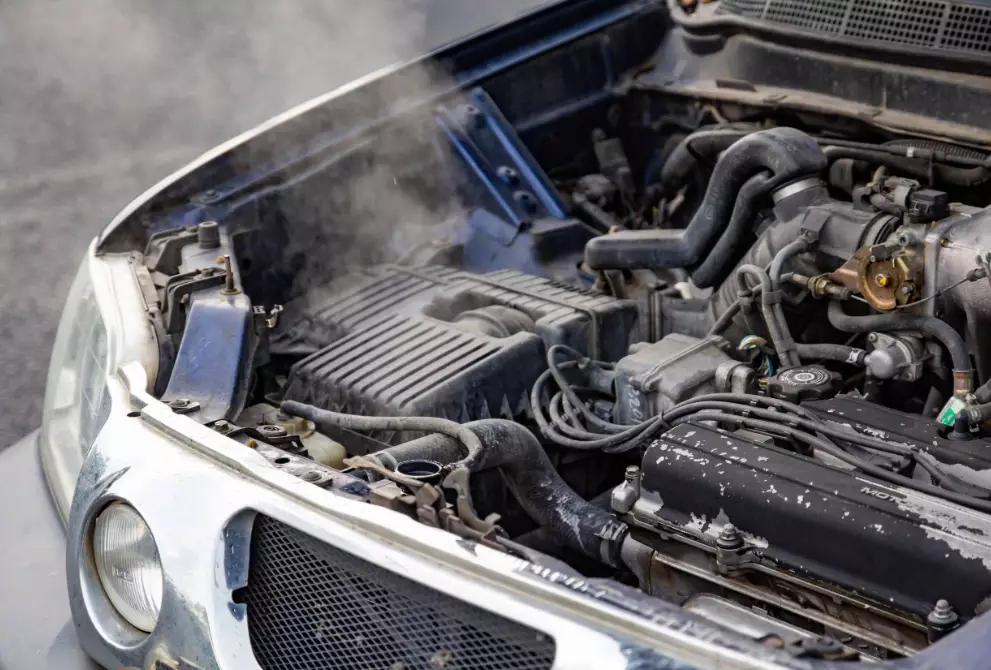
That rising temperature needle is one of the worst sights a driver can see. Your gut tightens. You know engine overheating can lead to catastrophic damage – warped cylinder heads, blown head gaskets, a seized engine. Repair bills jump from hundreds to thousands of dollars in minutes. But before you panic, you need to figure out why it's happening. Diagnosing an overheating engine isn't just about checking coolant. It's a process of elimination, and doing it right can save your engine and your wallet.
I've been fixing cars for over a decade, and the most common mistake I see? People assume it's always the thermostat or a leak. They throw parts at the problem. Sometimes they get lucky. Often, they waste money and the overheating comes back. The real fix starts with a calm, methodical diagnosis.
What You'll Learn in This Guide
Safety First: What to Do When the Gauge Spikes
Let's talk about the immediate reaction. You're driving, and the needle climbs. Here’s your action plan, in order:
- Turn off the air conditioning. The A/C condenser puts extra load on the cooling system.
- Turn the heater to maximum heat and fan speed. This sounds counterintuitive, but it's crucial. The heater core is a small radiator inside your dashboard. Running the heater pulls heat away from the engine coolant and dumps it into the cabin. It's a temporary lifeline.
- If the gauge doesn't start falling within a minute or continues to rise, safely pull over and shut the engine off. Continuing to drive can cause irreversible damage in under a minute.
- Wait. Let the engine cool for at least 30-45 minutes. Do not attempt to open the hood or radiator cap until it's cool to the touch.
I once saw a customer try to "just make it home" another two miles. The result was a cracked cylinder head. The tow and repair cost was $4,200. The tow from the highway would have been $150. The choice is clear.
The Step-by-Step Diagnosis Process (After the Engine Cools)
Now, with the engine cold and safe to touch, we can start the real detective work. Follow these steps in order.
Step 1: The Visual Coolant Check
Locate the coolant overflow reservoir (the plastic tank) and the radiator cap. The reservoir will have "Cold" and "Hot" fill lines. Is the coolant level at or above the "Cold" line? If it's drastically low or empty, you have a leak. But don't just top it off and call it a day. You need to find the leak.
Look for signs of coolant drips or stains under the car. Check around the radiator, hoses, water pump (usually front of the engine, driven by a belt), and the heater hoses going into the firewall. A sweet, syrupy smell is a dead giveaway for a coolant leak.
Step 2: Inspect the Radiator and Cooling Fans
With the engine still off, look at the front of the radiator. Is it clogged with bugs, leaves, or debris? This blocks airflow. Next, start the engine and let it idle until it reaches normal operating temperature. Watch the temperature gauge. Now, turn the A/C on. You should hear or see the electric cooling fan(s) behind the radiator kick on. If they don't spin, that's a major problem – the fan motor, relay, or temperature sensor has failed. No fan means no airflow at low speeds or idle, which leads to overheating in traffic.
Step 3: Check for Thermostat Issues
The thermostat is a temperature-controlled valve that opens to let coolant flow to the radiator. If it's stuck closed, coolant circulates only in the engine block, causing rapid overheating. A classic symptom of a stuck-closed thermostat is the upper radiator hose (the one from the engine to the top of the radiator) getting extremely hard and hot while the lower hose remains cool. Caution: Feel hoses carefully to avoid burns.
A less common but tricky issue is a thermostat stuck open. The engine warms up very slowly and may never reach optimal temperature in winter, hurting fuel economy and performance, but it can also cause overheating under heavy load because coolant flows too quickly for the radiator to cool it effectively.
Step 4: Pressure Test the System
This is the pro move that finds hidden leaks. A cooling system pressure tester is a hand pump that attaches to the radiator or reservoir cap neck. You pump it up to the pressure rating on your radiator cap (usually 13-18 PSI). If the gauge holds steady, the system is sealed. If it drops, you have a leak. With pressure applied, you can often spot small leaks at hose connections, the water pump weep hole, or even a tiny crack in the radiator that only opens under pressure.
Step 5: Consider Less Obvious Causes
If coolant level, fans, and thermostat seem okay, think deeper. A failing water pump might not be leaking visibly but has worn impeller blades that aren't pumping coolant effectively. You might hear a whining or grinding noise from the pump bearing.
Another sneaky culprit is a blown head gasket. This allows combustion gases to leak into the cooling system. Signs include:
- Milky, frothy oil on the dipstick (coolant mixing with oil).
- White, sweet-smelling exhaust smoke that doesn't go away.
- Coolant bubbles constantly appearing in the overflow tank with the engine running.
A blown head gasket is a serious repair. You can get a "block tester" fluid kit from an auto parts store to check for combustion gases in the coolant, which confirms this diagnosis.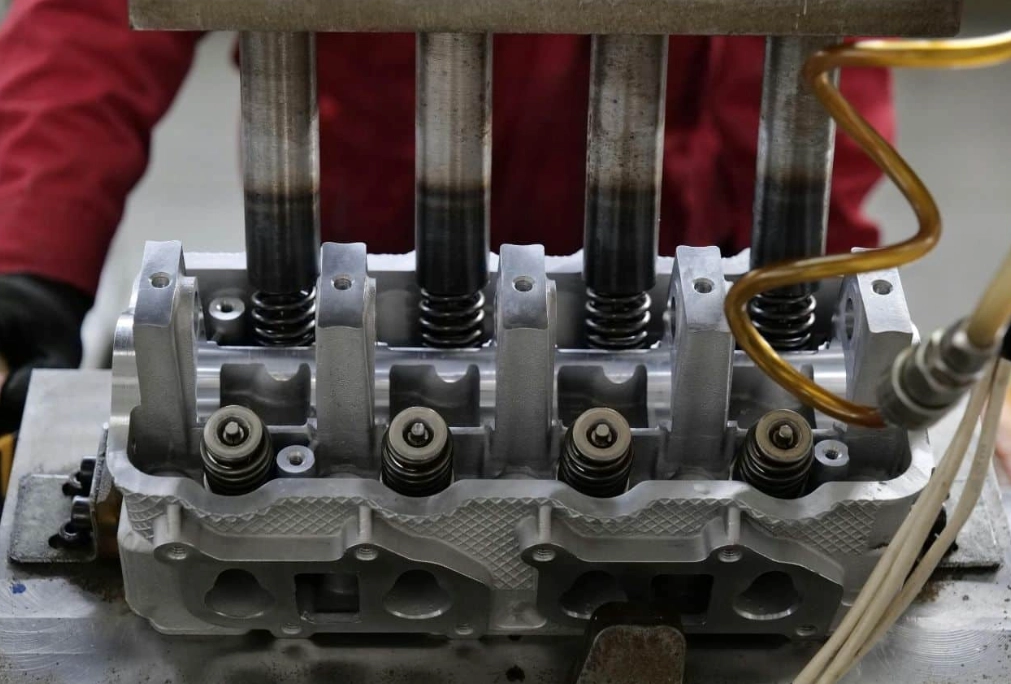
The 5 Most Common Overheating Culprits
Based on my shop records, here’s what usually causes the problem, ranked by frequency:
- Coolant Leaks: The number one reason. Hoses, radiator, water pump, or core plugs corrode and leak.
- Faulty Cooling Fan: Especially in modern cars with electric fans. A bad motor, relay, or sensor stops the fan.
- Stuck Thermostat: Usually fails in the closed position, blocking coolant flow to the radiator.
- Clogged or Failing Radiator: Internally clogged with scale/debris or externally blocked by debris.
- Water Pump Failure: Impeller blades corrode or the bearing fails, stopping proper circulation.
Matching the Problem to the Solution
| Diagnosed Problem | Typical Solution | Approx. DIY Cost (Parts) | Approx. Shop Cost |
|---|---|---|---|
| Coolant Leak (Hose) | Replace the leaking hose and refill coolant. | $20 - $80 | $150 - $300 |
| Coolant Leak (Radiator) | Replace the radiator and refill coolant. | $100 - $300 | $500 - $900 |
| Faulty Electric Cooling Fan | Replace fan motor, relay, or sensor. | $50 - $200 | $250 - $500 |
| Stuck Thermostat | Replace thermostat and gasket, refill coolant. | $15 - $40 | $150 - $250 |
| Failing Water Pump | Replace water pump, timing belt/chain if driven by it, and coolant. | $50 - $150 (pump only) | $400 - $900+ (labor intensive) |
| Blown Head Gasket | Engine tear-down to replace head gasket(s), machine cylinder head. | $200 - $500 (parts only) | $1,500 - $3,000+ |
Costs are rough estimates and vary widely by vehicle make and model. Data is synthesized from common industry sources and repair databases.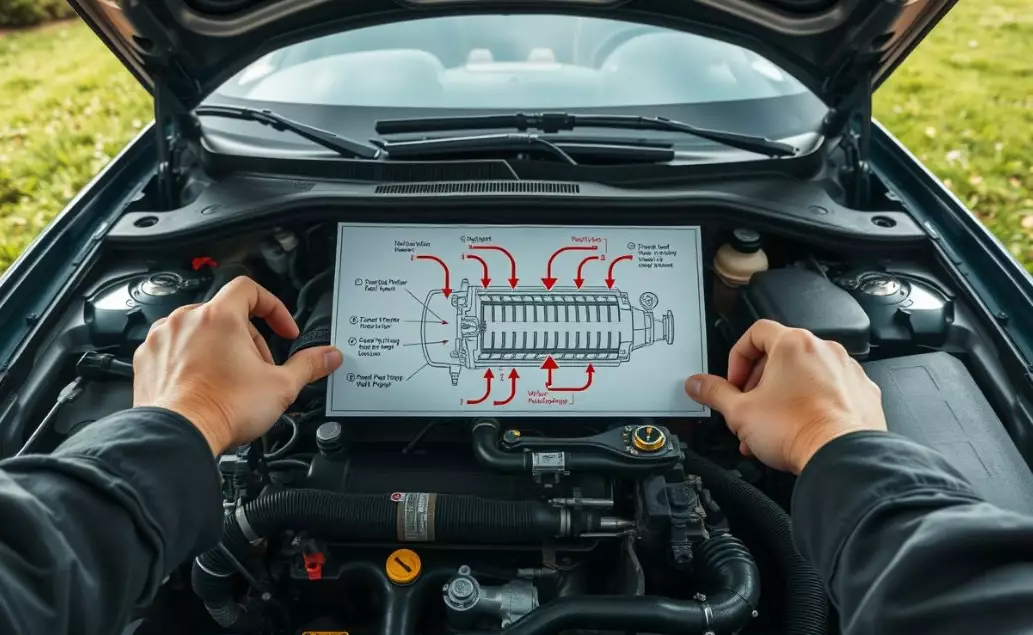
How to Prevent Overheating for Good
An ounce of prevention is worth a $3,000 head gasket repair.
- Follow your manufacturer's coolant change schedule. This is usually every 5 years or 60,000 miles, but check your manual. Old coolant loses its anti-corrosion properties and turns acidic, eating away at hoses, the water pump, and radiator from the inside. This is the most overlooked maintenance item.
- Inspect hoses and belts annually. Look for cracks, bulges, or soft spots in hoses. Check belts for fraying.
- Keep the radiator exterior clean. Gently rinse bugs and debris from the fins with a garden hose (engine off, cool).
- Use the correct coolant. Don't just pour in the green universal stuff if your car calls for a specific orange, pink, or blue coolant. Mixing types can cause gel formation and clog the system.
Your Overheating Questions Answered
 My temperature gauge fluctuates wildly, going from normal to hot and back. What's going on?