Let's cut to the chase. If your engine oil is low, you're risking a repair bill that can easily hit $3,000 to $5,000 for a full engine replacement. I've been a mechanic for over a decade, and the number of cars towed in with seized engines from simple oil neglect still surprises me. It's not just about a light on your dashboard; it's about the gradual destruction of your engine's heart. In this guide, I'll walk you through exactly what happens, how to spot it early, and the mistakes most people make—even the ones who think they know cars.
Jump Straight to What Matters
What Happens Immediately When Engine Oil is Low?
You don't need to be a gearhead to feel it. Low oil means less lubrication, and that translates to friction. Imagine rubbing sandpaper between metal parts—that's your engine without enough oil. Here's what you'll notice first.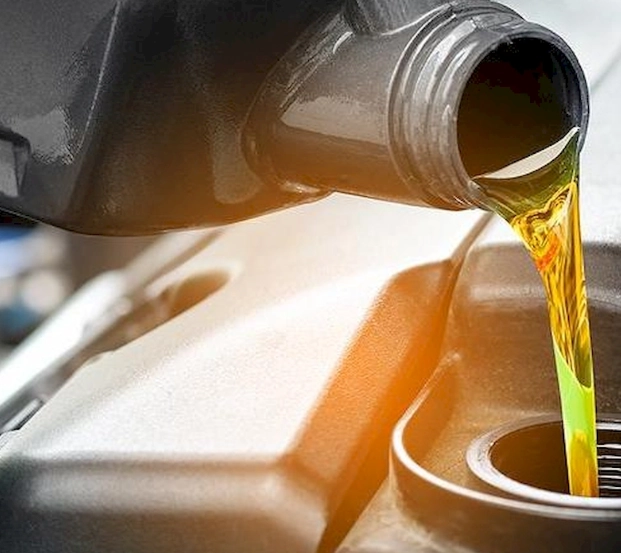
Strange Noises and Sluggish Performance
The engine starts making a ticking or knocking sound, especially when cold. It's not just annoying; it's metal hitting metal. I had a customer last month who described it as a "rattle from hell." He drove for two weeks like that, and by the time he came in, the camshaft was scored. Repair cost? $1,800. Performance wise, acceleration feels weak. The engine struggles because parts aren't moving smoothly.
Overheating Becomes a Real Threat
Oil doesn't just lubricate; it cools. Low oil levels reduce its ability to carry heat away from critical components like pistons and bearings. Your temperature gauge might creep up, or in modern cars, a warning light flashes. According to the Car Care Council, overheating from low oil is a leading cause of engine failure in summer months.
Pro Tip: If your oil light comes on while driving, don't assume it's a glitch. Pull over safely and check the level immediately. Driving even a few miles can be enough to cause irreversible damage.
How to Check Your Engine Oil Level: The Right Way
Most people pull the dipstick, wipe it, and glance. That's wrong half the time. Here's the method I teach every customer.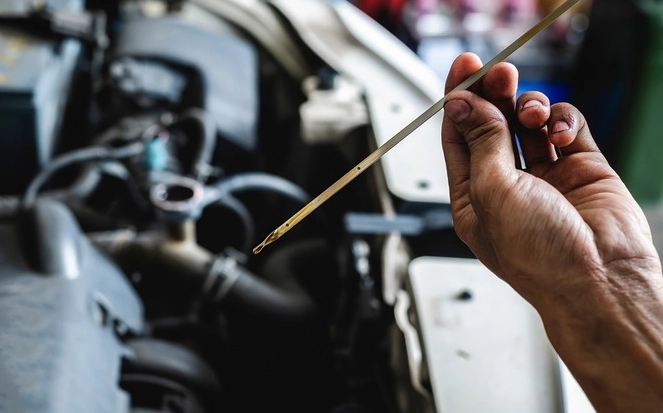
Park on a level surface. Turn off the engine and wait 5-10 minutes for oil to settle. Pull the dipstick, wipe it clean with a rag, reinsert fully, then pull it out again to read. The oil should be between the two marks—not above, not below. If it's below the minimum, you're low.
Now, here's a nuance many miss: Check the oil's color and consistency. Fresh oil is amber and smooth. If it's black and gritty, it's old and needs changing, even if the level seems okay. I've seen cars with "full" oil that was so degraded it offered no protection.
| Oil Level on Dipstick | What It Means | Recommended Action |
|---|---|---|
| Between MIN and MAX marks | Normal, but monitor regularly | Check again in 500 miles or next fuel stop |
| Below MIN mark | Low oil, risk of damage | Add oil immediately (type specified in manual) |
| Above MAX mark | Overfilled, can cause foam and pressure issues | Drain excess oil or seek professional help |
| Oil looks milky or frothy | Possible coolant leak into oil (head gasket failure) | Stop driving and tow to a mechanic |
Common Mistakes People Make with Low Engine Oil
This is where experience talks. I've compiled the top errors that lead to bigger problems.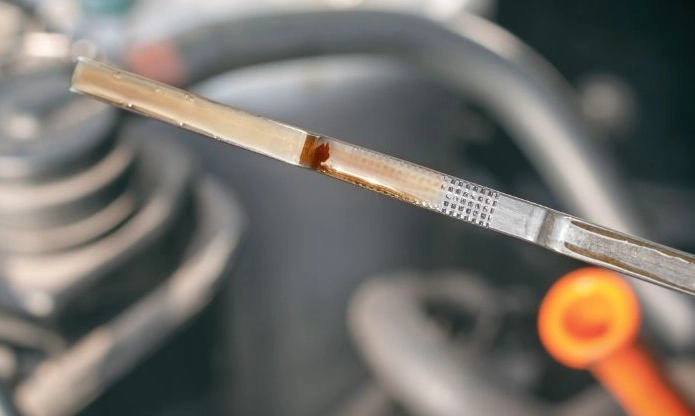
Mistake 1: Assuming All Oils Are the Same. You grab any bottle off the shelf. Wrong. Using the wrong viscosity (like 10W-30 instead of 5W-20) can affect flow and protection. Your owner's manual specifies the grade for a reason—stick to it.
Mistake 2: Ignoring Small Leaks. A few drops under the car seem harmless. But over months, it adds up. I had a Honda Civic that burned a quart every 1,000 miles from a slow valve cover leak. The owner kept topping up but never fixed the leak, and eventually, the catalytic converter clogged from oil residue. Costly fix.
Mistake 3: Checking Oil Only When the Light Comes On. By then, it's often too late. The oil pressure light triggers when pressure is critically low, meaning damage may have already started. Make checking oil a monthly habit, like checking tire pressure.
Non-Consensus Insight: Many online guides say to check oil when the engine is cold. For most modern cars, manufacturers like Toyota and Ford recommend checking after the engine has been off for a few minutes on a level surface. Cold checks can give a false low reading because oil contracts. Always refer to your specific model's manual—I keep a collection in my shop because they vary wildly.
Step-by-Step Guide to Adding Engine Oil Safely
If you're low, here's how to top up without making a mess or causing harm.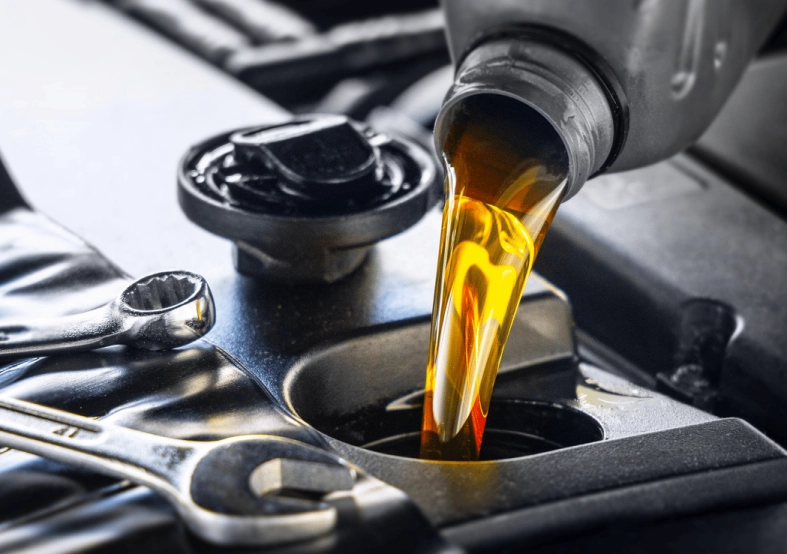
First, identify the oil filler cap—usually labeled "Engine Oil" on top of the engine. Wipe it clean before opening to prevent dirt from falling in. Use a funnel to pour oil slowly. Add half a quart at a time, then recheck the dipstick. It's easy to overfill, which can lead to aerated oil and reduced lubrication.
Choose the right oil. Synthetic oils, like Mobil 1 or Castrol Edge, offer better protection at high temperatures and last longer. They're worth the extra few bucks. For older cars, conventional oil might suffice, but synthetics have fewer impurities.
After adding, start the engine and let it run for a minute. This circulates the new oil. Then recheck the level and adjust if needed. Dispose of used oil properly—most auto parts stores take it for free.
Long-Term Prevention: Keeping Your Oil at the Right Level
Prevention beats repair every time. Here are actionable tips.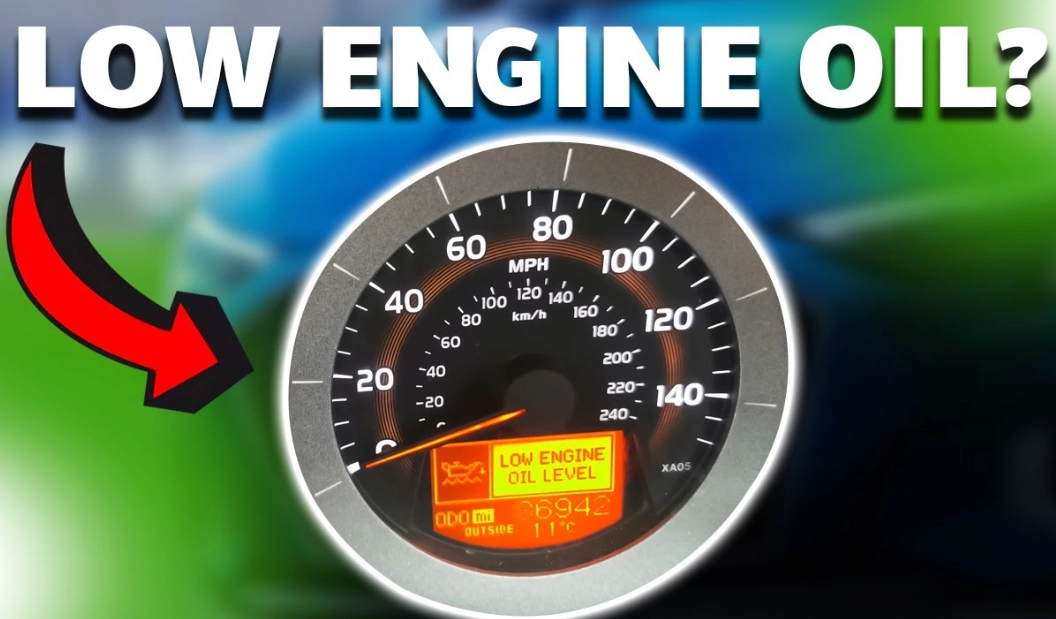
Schedule Regular Oil Changes. Don't just go by mileage. If you drive in stop-and-go traffic or extreme heat, change oil more frequently. The standard 5,000 to 7,500 miles is a guideline, not a rule. I change my truck's oil every 4,000 miles because I tow heavy loads.
Monitor Oil Consumption. Some engines naturally burn oil. Subarus and some BMWs are known for this. Keep a log: note the mileage when you check, and if you're consistently adding oil between changes, mention it to your mechanic. It could indicate worn piston rings or seals.
Invest in Quality Filters. A cheap filter can bypass debris, letting contaminants circulate. Brands like Wix or Bosch offer better filtration. It's a small cost for big protection.
Use Oil Additives Cautiously. Most are unnecessary if you use good oil. But for high-mileage engines, a seal conditioner might help reduce leaks. I rarely recommend them unless there's a specific issue.
FAQ: Your Burning Questions Answered
Wrapping up, low engine oil is a silent killer for your car. It starts with subtle signs and escalates to catastrophic failure. Make checking oil a routine, use the right products, and don't delay fixes. Your engine will thank you with years of reliable service. If you're unsure, consult a trusted mechanic—better safe than sorry with a hefty repair bill.