You hear a strange noise, see a warning light, or worse, your car just stops moving. The mechanic's diagnosis hits you like a brick: a major component has failed. The repair estimate is more than your car's current value. It's a scenario every driver dreads. So, what's the most expensive thing to fix on a car? The short answer is a complete engine or transmission replacement, easily soaring past $5,000 and often reaching $8,000 to $10,000 or more. But the real story is more nuanced. The true cost isn't just the part—it's the labor, the complexity, and whether you're dealing with a common sedan or a luxury EV.
I've been around cars long enough to see people get blindsided by bills they never expected. A friend once spent $4,200 fixing a "minor" electrical issue that turned into a full-body control module hunt. It's not always the big, obvious parts that drain your wallet; sometimes it's the cascading failures.
Quick Navigation: What's Inside
The Top Contenders for the Most Expensive Car Repair
Let's cut to the chase. When we talk about catastrophic repair costs, we're talking about the powertrain—the heart and spinal cord of your vehicle. Here’s a breakdown of what fails and why it hurts your bank account so much.
| Repair | Typical Cost Range | Why It's So Expensive | Common Culprits |
|---|---|---|---|
| Complete Engine Replacement | $4,000 - $10,000+ | Part cost is huge (new or rebuilt), labor is intensive (10-20+ hours), may require ancillary parts (gaskets, fluids, mounts). | Overheating (blown head gasket, warped block), timing belt/chain failure, severe oil starvation, hydro-lock. |
| Transmission Replacement (Automatic) | $3,500 - $8,000+ | Extremely complex assembly, requires specialist skills, high part cost. Rebuilds can be cheaper but risky. | Overheating, worn clutches/bands, solenoid failures, neglected fluid changes. |
| Hybrid/Electric Vehicle Battery Pack | $4,000 - $20,000+ | Massive, technology-dense component. Labor for removal/installation is significant. Prices vary wildly by model. | Age-related capacity loss, cell failures, thermal management system issues. |
| Major Structural/Safety System Repair | $2,500 - $8,000+ | Requires frame machine, precise measurements, and highly trained technicians. Insurance often totals the car for this. | Major collision damage, severe rust compromising unibody integrity. |
| Complex Electrical/Computer System Failure | $1,500 - $5,000+ | Diagnostic time is a major cost driver. Parts like body control modules, wiring harnesses are pricey and labor-intensive to replace. | Water damage, rodent damage, faulty software updates, cascading module failures. |
Look at that engine replacement cost. It's a mortgage payment. Or two. The transmission isn't far behind. But notice the third entry: the hybrid battery. This is the new kid on the block for financial dread, especially for older Priuses or early Nissan Leafs. A replacement can cost more than the car is worth, which is a unique dilemma.
Beyond the Price Tag: The Hidden Multiplier
Here's something most generic lists miss: the diagnostic tax. Before a shop even quotes you $8,000 for a new engine, they might spend 2-3 hours at $150/hour just figuring out that the engine is, in fact, toast. That's $300-$450 added to your bill before a single wrench is turned on the repair itself. This is especially true for electrical gremlins. A flickering dashboard might be a $200 alternator or a $2,000 wiring loom replacement, and finding out which one takes time—your money.
Another hidden cost is the while-you're-in-there upsell. If your engine is out, that $100 serpentine belt that's looking worn suddenly becomes a $400 job because the labor to access it is now "free." It's logical, but it inflates the final number.
How to Avoid These Nightmare Repair Bills
Prevention is always cheaper than the cure, and with cars, this is a golden rule. You can't prevent everything, but you can drastically shift the odds in your favor.
Become a fluid fanatic. This is the number one piece of advice from any seasoned mechanic.
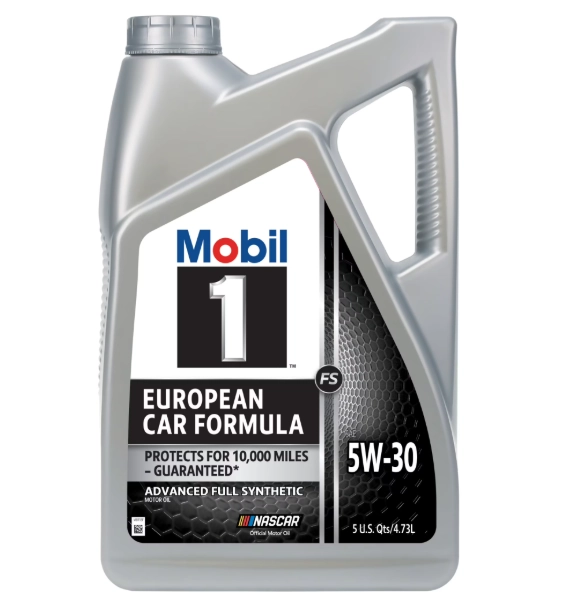
- Engine Oil: Change it at or before the manufacturer's interval. Severe driving (short trips, towing, extreme heat/cold) means change it more often. I use full synthetic and change every 5,000 miles, even if the manual says 10,000. Cheap insurance.
- Transmission Fluid: This is the big one everyone ignores. Follow the severe service schedule in your manual, which usually means a fluid drain-and-fill every 30,000-60,000 miles, not the "lifetime" fluid myth dealers sell. A $200 fluid service beats a $5,000 transmission every time.
- Coolant: Get it flushed and replaced as scheduled. Over time, it becomes acidic and can eat away at gaskets and metal, leading to catastrophic overheating.
Listen to your car. That new noise, vibration, or smell is your car's way of crying for help. A $50 fix today can be a $5,000 fix next month. A whining transmission might just need a $15 filter and fluid change. Ignore it until it slams into gear, and you're looking at a rebuild.
Pro Tip: Invest in a basic OBD2 scanner (they cost about $30). When a check engine light comes on, scan it before you panic. A code like P0420 (catalyst efficiency) is serious but not an immediate engine-killer. A code like P0016 (cam/crank correlation) means stop driving now to potentially save your engine from self-destruction.
Address cooling system issues immediately. The temperature gauge creeping past the middle? Pull over and shut it off. Overheating is the fastest way to turn a simple thermostat or hose job into a warped cylinder head or a cracked engine block. Tow bills are cheap compared to engine bills.
The Ultimate Guide: When to Fix and When to Scrap Your Car
This is the million-dollar question. The repair quote is $6,000. Your car is worth $4,000. What do you do? The old "if repair cost > car value, junk it" rule is too simplistic.
Ask yourself these questions:
- What is the replacement cost? If your $4,000 car needs a $6,000 engine, can you buy a reliable, equivalent car for $6,000? Often, the answer is no. You'd be buying someone else's potential $6,000 problem. A known repair on your known car can sometimes be the better financial bet.
- What's the car's overall condition? Is the rest of the car pristine? Good tires, fresh brakes, no rust, perfect interior? Maybe it's worth saving. If it's a rust bucket with a failing suspension and torn seats, this major repair is just the first of many.
- Can you find a cheaper solution? Do you need a brand-new transmission from the dealer, or will a quality rebuilt unit from a reputable shop work? Is a used engine from a low-mileage wreck a viable option? These can cut the bill by 30-50%.
I had a Honda Accord with 180,000 miles. The automatic transmission started slipping. A rebuild quote was $3,800. The car was worth maybe $3,000. I found a specialist who installed a low-mileage used transmission with a warranty for $2,200. I kept the car for another 60,000 trouble-free miles. The math worked because the alternative—car payments—was far more expensive.
Sometimes, the emotional math matters too. If it's a car you love and plan to keep forever, sinking money into it might make sense. If it's just an appliance, the calculation is colder.