Let's cut to the chase. When people ask about the horsepower of a Tesla Model 3, they're not just looking for a spec sheet number. They're trying to understand the feel. That instant, silent, punch-in-the-gut acceleration that defines modern electric cars. The horsepower figure is part of that story, but in an EV, it's a different story altogether compared to a rumbling V8.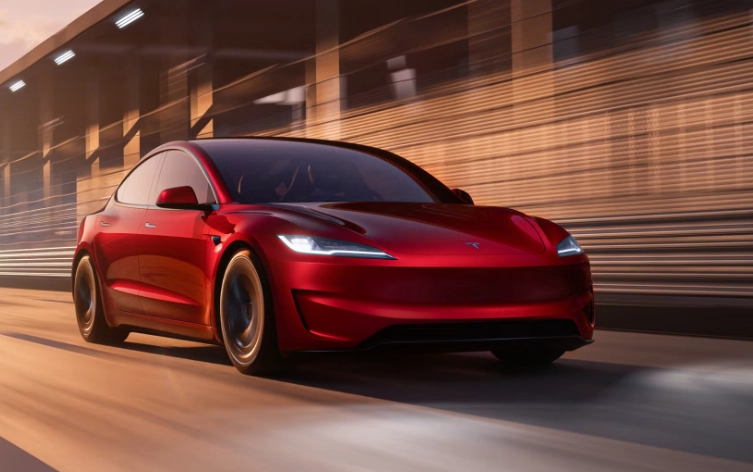
I remember the first time I floored a Model 3. The number on the website didn't prepare me for the physical sensation. It was less like accelerating and more like being launched. No drama, just relentless forward motion.
What You'll Learn
Horsepower in an EV: It's Not Just a Number
In a gasoline car, horsepower tells a story of peak power, usually high in the rev range. You wait for it, the engine builds up to it. Electric motors deliver their maximum torque—the twisting force—instantly, from zero RPM. This means the horsepower is accessible immediately. The curve is flat and broad.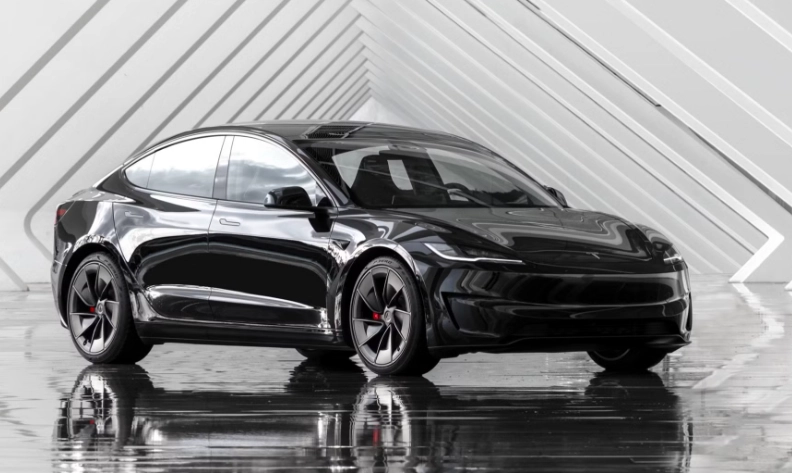
The common mistake? Comparing EV and ICE horsepower directly. 300 horsepower in a Tesla feels vastly more urgent and usable in daily driving than 300 horsepower in a typical sports sedan. The power delivery is just that different.
Tesla Model 3 Horsepower & Performance: A Trim-by-Trim Breakdown
Tesla is famously coy about publishing exact horsepower figures for all trims. They focus on 0-60 mph times and range. But through owner data, performance testing, and teardowns, we have reliable estimates. The figures below represent the combined output of the electric motors.
| Model 3 Trim | Estimated Horsepower (HP) | 0-60 mph Time | Drive Layout | Key Character |
|---|---|---|---|---|
| Model 3 Rear-Wheel Drive | ~270-290 HP | 5.8 seconds | RWD (Single Motor) | Efficient, playful, tail-happy fun in the wet. |
| Model 3 Long Range | ~400-450 HP | 4.2 seconds | AWD (Dual Motor) | The sweet spot. Brutally quick, all-weather confident. |
| Model 3 Performance | ~450-500+ HP | 2.9 seconds (with rollout) | AWD (Dual Motor) | Track-capable weapon. Insane, neck-snapping acceleration. |
Notice the jump from RWD to Long Range. That second motor on the front axle doesn't just add all-wheel drive; it nearly doubles the power output. The Performance trim then adds more potent motors, optimized inverters, and a software unlock to push the hardware further.
Where Do These Numbers Come From?
Tesla lists the peak power output of its vehicles in kilowatts (kW) in official documentation filed with agencies like the EPA. 1 kilowatt equals about 1.34 horsepower. The Long Range AWD, for example, has a listed peak of 330 kW, which translates to roughly 442 horsepower. Dyno tests by publications like Car and Driver often confirm these figures or find the motors are actually underrated.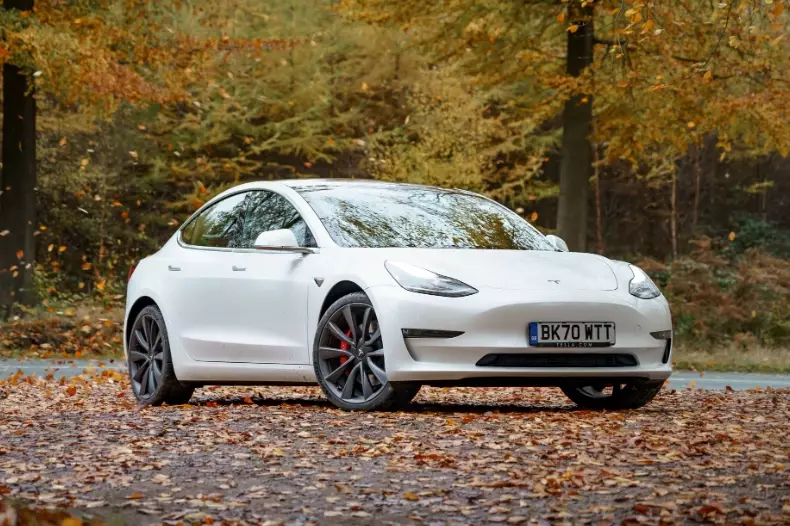
The Big Picture: Don't fixate on a 10-horsepower variance. The experiential gap between a 5.8-second car and a 4.2-second car is monumental. The gap from 4.2 seconds to 2.9 seconds is almost surreal.
How This Horsepower Actually Feels on the Road
So you have these numbers. What do they do for you?
Instantaneous Response: The throttle (accelerator pedal) has no lag. It's a direct wire to instant torque. Merging onto a highway becomes a trivial, safe maneuver. You're never waiting for downshifts or turbo spool.
Everyday Usability: This is the key. You use 100% of this horsepower in daily driving. Passing a truck on a two-lane road takes half the time and distance. The power is just there, silently. It makes driving less stressful.
The Handling Trade-off (A Minor Negative): All that instant torque, especially in the dual-motor models, can make the car feel almost too eager. If you're not smooth with your right foot coming out of a corner, the stability control will intervene more often than in a balanced, naturally-aspirated sports car. It's a different skill to manage.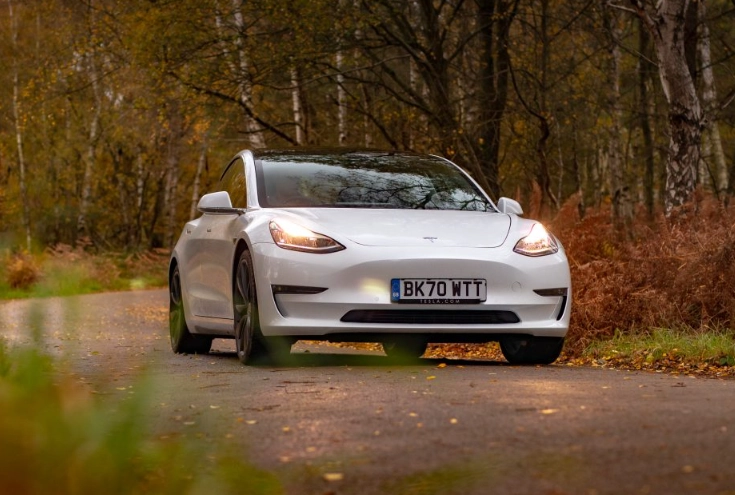
Performance vs. Long Range vs. RWD: Which Horsepower is Right for You?
Choosing isn't just about the fastest 0-60 time. It's about how you drive.
Get the Rear-Wheel Drive if: Your budget is key, and you prioritize maximum range. 5.8 seconds is still quicker than 90% of cars on the road. The single motor gives it a lighter, more playful rear end that can be fun. You don't regularly face severe snow.
Get the Long Range AWD if: This is the recommendation for most people. The horsepower jump is transformative. The all-wheel drive provides immense confidence in rain and light snow. The acceleration is genuinely thrilling and more than enough for any legal (and many illegal) situations. The extra range is a bonus.
Get the Performance if: You crave the absolute pinnacle. You'll occasionally track the car or just want the bragging rights of supercar acceleration. Be prepared for a firmer ride from the lowered suspension and larger wheels, and slightly less range. The horsepower here isn't just about straight lines; it's about sustained power on a track, supported by track mode software, better brakes, and tires.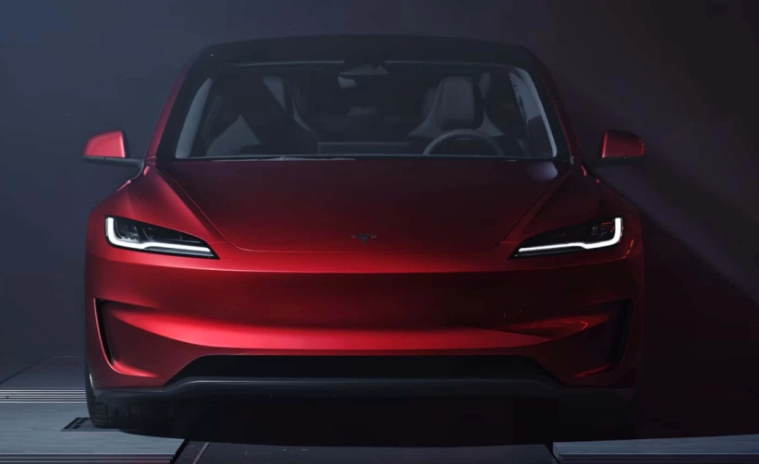
Your Tesla Model 3 Horsepower Questions, Answered
Does the Model 3 Performance have more horsepower, or is it just a software unlock from the Long Range?
Why does my Model 3 feel slower when the battery is below 20%?
Is the horsepower the same in "Chill" and "Standard" acceleration modes?
How does the Model 3's horsepower compare to a BMW M3 or similar sports sedan?
Will the high horsepower hurt my Model 3's tire wear?