Let's cut to the chase. The Toyota Urban Cruiser sits in a crowded segment. It's a badge-engineered version of the Maruti Suzuki Vitara Brezza, but that doesn't tell the whole story. After spending a week with it, talking to owners, and crunching the numbers, I think its real appeal—and its limitations—are more nuanced than most reviews let on. If you're looking for a no-nonsense, fuel-efficient runabout for the city with the Toyota badge, it makes a strong case. But if you need a true all-rounder for frequent highway trips or a plush family cabin, you might feel shortchanged.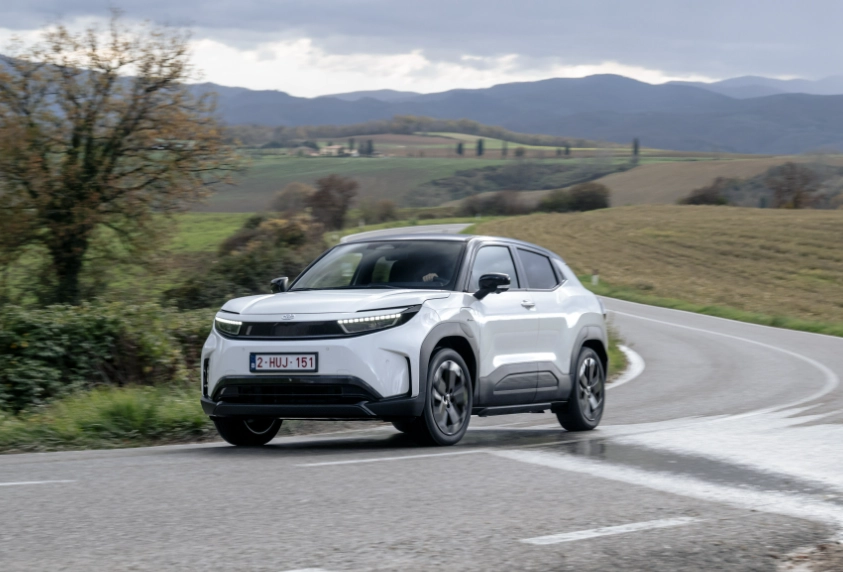
What's Inside This Review?
Design and Styling: Urban Tough or Just Bland?
Toyota gave the Urban Cruiser its own face, and it's the best part of the exterior. The large, hexagonal grille with the thick chrome bar looks more substantial and upmarket than the Brezza's offering. The squared-off wheel arches and roof rails try to add a touch of ruggedness.
But walk to the side or the rear, and the kinship with the Maruti is unmistakable. The silhouette is identical. Some find this pragmatic; others call it lazy. I fall in the middle. In a sea of similar-looking compact SUVs, the Urban Cruiser's front end does help it stand out in a parking lot, which counts for something. The paint quality and panel gaps are consistent with the segment—perfectly acceptable but not premium.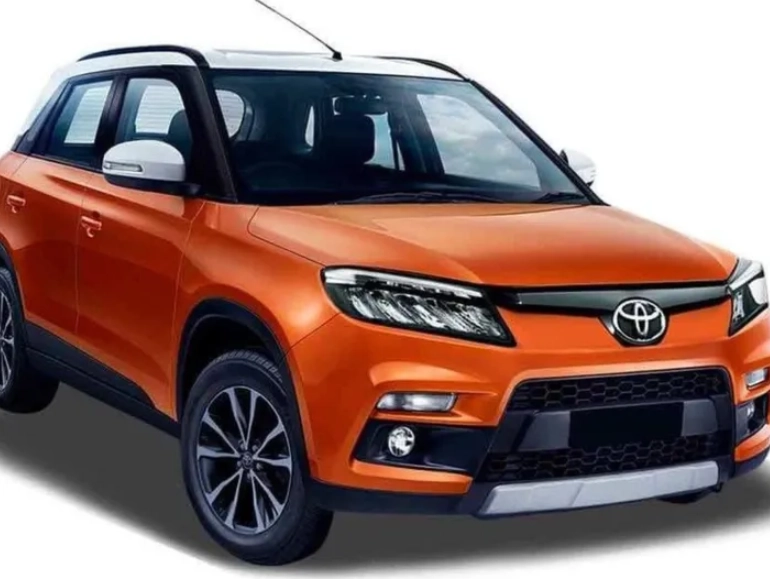
Where Toyota missed a trick, in my opinion, is with the alloy wheel design on lower variants. They look too simple, almost like steel wheels with covers. It's a small thing, but it affects the perceived value the moment you see the car.
Performance and Driving Experience: City Slicker or All-Rounder?
This is where the rubber meets the road, literally. The Urban Cruiser comes with only one engine option: a 1.5-liter, four-cylinder petrol unit. No diesel. In today's market, that's a calculated bet on petrol dominance.
The City Champion: In urban sprawl, this engine is in its element. It's peppy from low speeds, making stop-and-go traffic a breeze. The light steering and tight turning radius are absolute godsend for navigating cramped lanes and parking. Whether you choose the 5-speed manual or the 4-speed automatic, the power delivery is smooth and predictable. The automatic, while not the latest tech, is refreshingly jerk-free in traffic compared to some clunky AMTs rivals offer.
- City (Heavy Traffic): 14-15 km/l (Automatic), 15-16.5 km/l (Manual)
- City (Mixed): 16-18 km/l (Manual is the clear winner here)
- Highway (Constant 80-100 km/h): 19-20.5 km/l
The Highway Compromise: Now, here's the catch everyone glosses over. Once you hit the highway and need to accelerate past 80 km/h, the engine starts to feel strained. Overtaking slower trucks requires planning and a downshift. The cabin isn't the most insulated, so engine and road noise become prominent companions at triple-digit speeds. The suspension is tuned for comfort, so it soaks up city potholes well but feels a bit floaty and less planted on high-speed corners.
It's not bad. It's just very clearly optimized for one type of driving. If your monthly usage is 80% city, you'll love it. If you're regularly doing long highway hauls, the lack of punch and refinement will grate on you.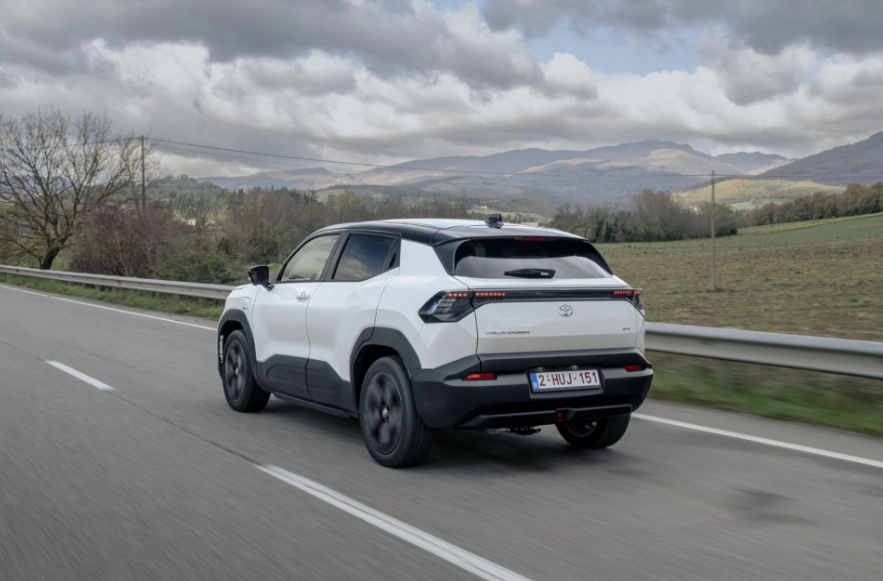
Interior, Features, and Practicality
Step inside, and the dashboard layout is familiar. The build is hard plastics everywhere, but the textures and graining are decent enough to not feel cheap. The seats, especially in the higher variants, offer good support for shorter drives.
Where the Urban Cruiser scores is on practicality. The cabin has clever storage—big door pockets, a deep glovebox, and usable cupholders. The rear seat offers adequate legroom for average-sized adults, and the bench is comfortable enough for a couple of hours.
The boot space is 328 liters. In practice, that fits a large suitcase and a couple of weekend bags. It's sufficient for a nuclear family's airport run or a monthly grocery haul. I managed to fit two full-sized check-in suitcases standing up with some room to spare.
Features have been updated over time. The top model now gets a decent 17.78 cm touchscreen with Android Auto and Apple CarPlay, automatic climate control, a rearview camera, and cruise control. The instrument cluster is a clear analogue unit with a small multi-info display. It's all very functional. You won't get flashy digital cockpits or panoramic sunroofs here, and that's okay. The focus is on getting the essentials right.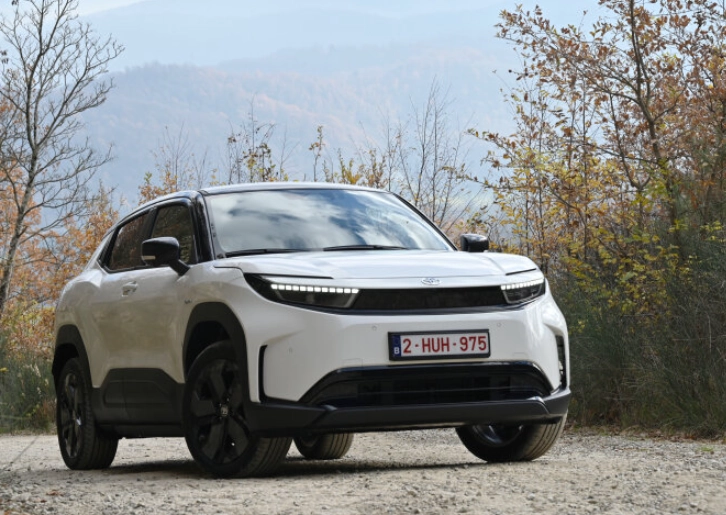
| Key Specification | Details |
|---|---|
| Engine | 1.5L K15B Petrol |
| Power & Torque | 103 PS @ 6000 rpm, 138 Nm @ 4400 rpm |
| Transmission | 5-Speed MT / 4-Speed AT |
| Fuel Tank Capacity | 48 liters |
| Boot Space | 328 liters |
| Ground Clearance | 198 mm (unladen) |
Safety and Peace of Mind
The Urban Cruiser comes with dual front airbags, ABS with EBD, rear parking sensors, and ISOFIX child seat anchors as standard across all variants. Higher variants add side and curtain airbags, a rearview camera, and electronic stability control (ESC).
Its platform sibling, the Maruti Suzuki Vitara Brezza, scored a respectable 4 stars in the Global NCAP crash tests (December 2022). While the tests aren't identical for the Toyota, the underlying structure is the same, which provides a strong indication of its crashworthiness. This is a significant point in its favor compared to some older rivals in the segment.
You're getting a safe car. Not the absolute safest in the class, but firmly in the good enough bracket, which is crucial for family buyers.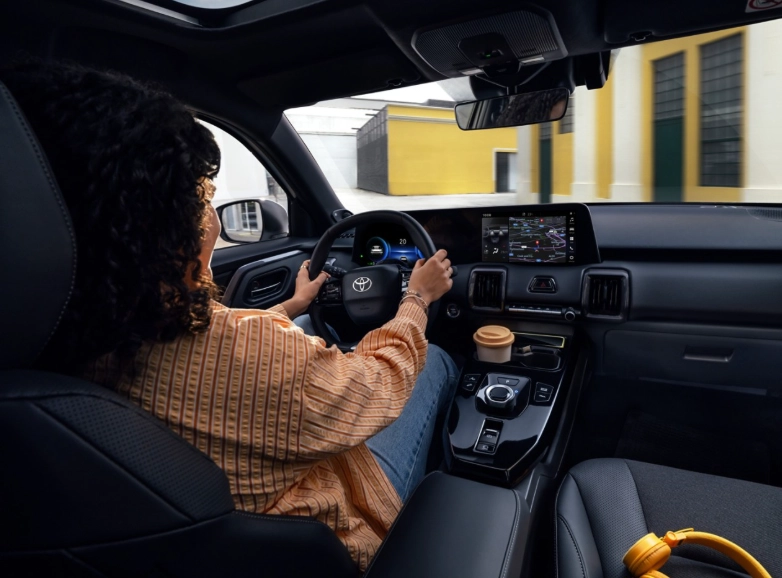
Ownership Costs: Beyond the Showroom Price
This is the Urban Cruiser's secret weapon. The Toyota badge brings with it a perception of bulletproof reliability and high resale value. While the mechanicals are Maruti-sourced (itself known for reliability), the Toyota sales and service experience often feels a notch more premium.
Service Costs: Scheduled maintenance is affordable. A typical periodic service costs between ₹3,000 to ₹6,000, depending on what's being replaced. The service interval is every 10,000 km or one year, which is convenient.
The Resale Value Factor: This is huge. After three years, a well-maintained Urban Cruiser is likely to retain around 65-70% of its value. This is significantly higher than many direct competitors. When you calculate the actual cost of ownership (purchase price - resale value + running costs), the Urban Cruiser often comes out looking very smart financially.
Let's break it down with a hypothetical scenario for a mid-variant MT:
- Ex-showroom Price: ₹10.5 lakh
- Estimated Value after 3 years / 40,000 km: ₹7.2 lakh (approx. 68% retention)
- Depreciation Cost: ₹3.3 lakh
- Fuel Cost (₹100/liter, avg 17 km/l): ≈ ₹2.35 lakh
- Insurance & Maintenance (3 years): ≈ ₹1.2 lakh
- Total 3-Year Cost: ≈ ₹6.85 lakh
That's a competitive cost of ownership, dominated by its strong resale.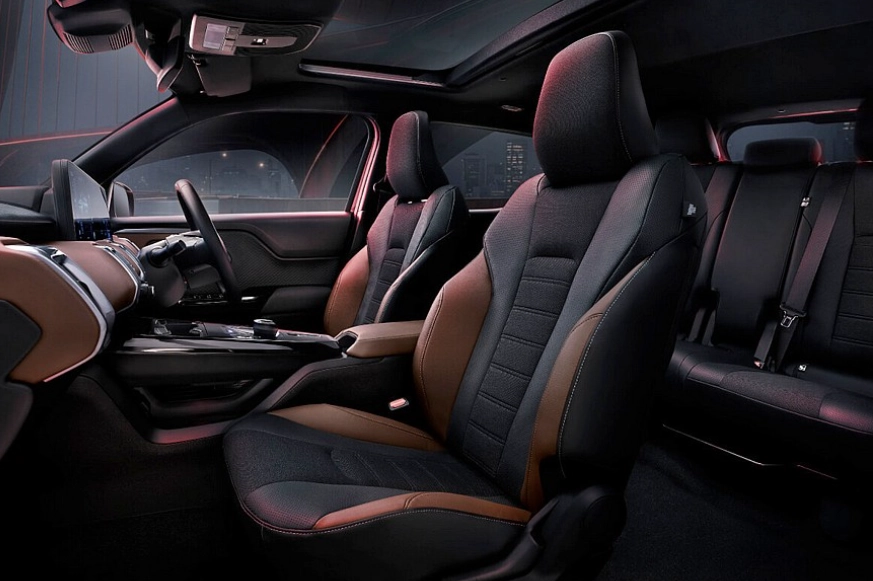
The Verdict: Who Should (and Shouldn't) Buy the Urban Cruiser?
So, is it worth your money? The answer depends entirely on your profile.
Buy the Toyota Urban Cruiser if:
- Your daily drive is primarily within city limits with occasional highway trips.
- Fuel efficiency and low running costs are your top priorities.
- You value peace of mind, reliable after-sales service, and strong resale value above cutting-edge features.
- You need a practical, easy-to-drive cabin for a small family.
Look elsewhere if:
- You frequently drive on highways and need confident performance for overtaking.
- You prioritize a plush, quiet, and feature-loaded cabin with premium materials.
- You need a larger boot or more rear-seat space for regularly transporting tall adults.
- You want the latest turbo-petrol performance or hybrid technology.
The Toyota Urban Cruiser isn't trying to be everything to everyone. It's a focused tool for urban mobility. It does the job of being an efficient, reliable, and sensible city SUV with remarkable competence. It just asks you to accept its compromises on the open road. For the right buyer, that's a trade-off well worth making.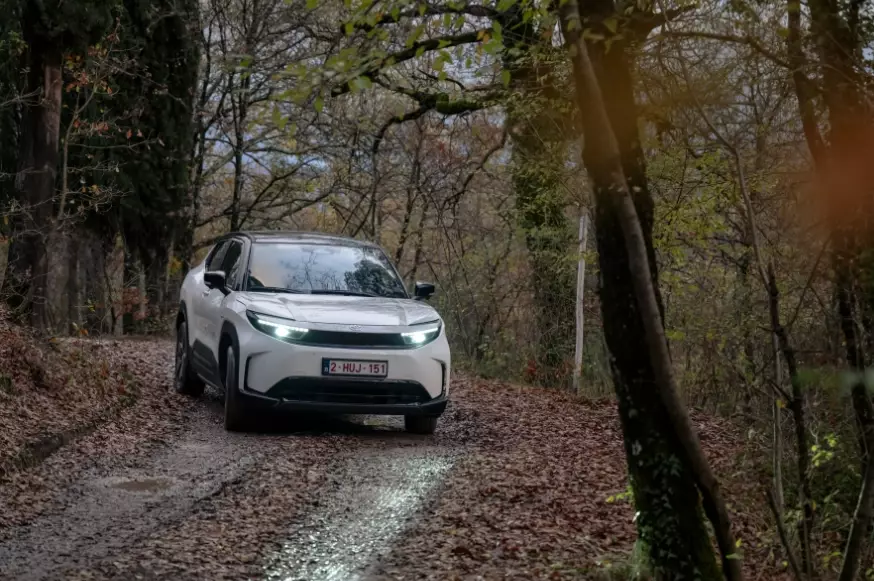
Frequently Asked Questions
Is the Toyota Urban Cruiser good for long highway drives?
What is the real-world mileage of the Toyota Urban Cruiser?
How does the Toyota Urban Cruiser compare to the Maruti Suzuki Vitara Brezza?
What are the common maintenance issues with the Toyota Urban Cruiser?