Your car just died on the highway shoulder. Smoke's coming from the hood, or maybe it's just a flat tire you can't fix. Your first thought? "I need a tow truck." But then a hundred questions hit. Who do I call? How much will it cost? Is my car going to get damaged more? Let's cut through the panic. This isn't just a list of towing companies. It's the manual you wish you had before the breakdown happened, packed with details most drivers never think about until it's too late.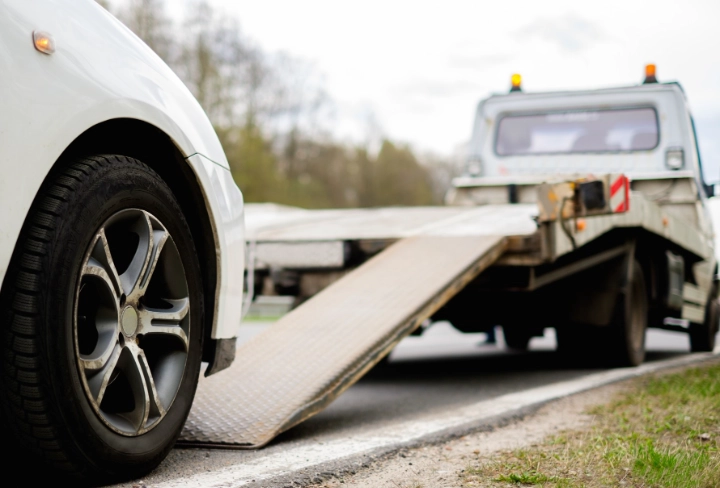
What's Inside This Guide?
The Different Ways Your Car Can Be Towed
Not all tow trucks are the same. Using the wrong method can turn a simple tow into a $3,000 transmission repair. I've seen it happen.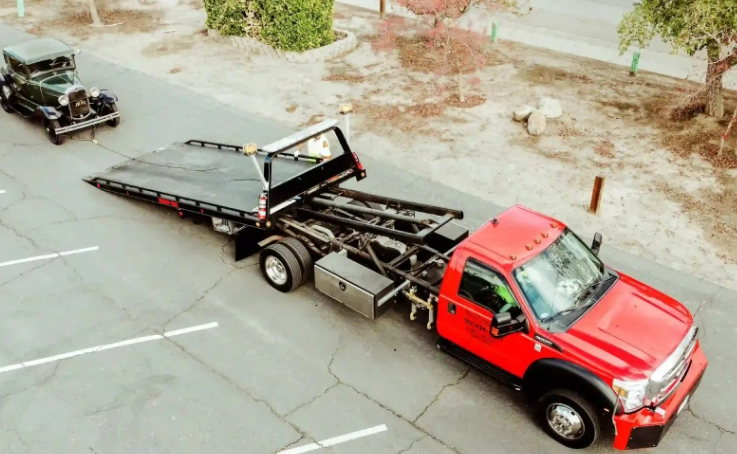
Flatbed Towing (The Gold Standard)
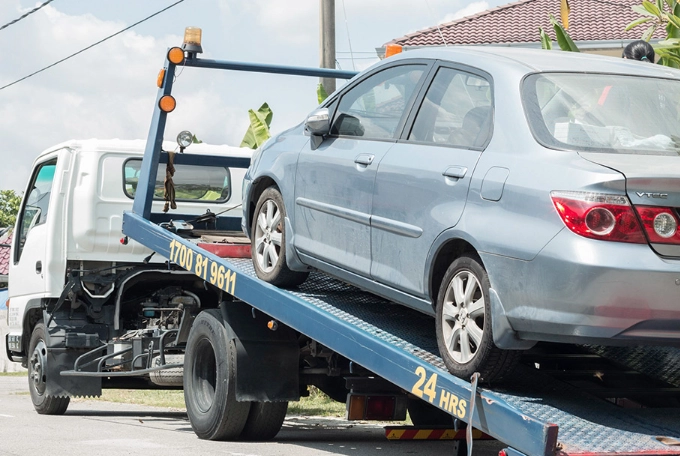
The entire vehicle is lifted onto a flat, level bed. All four wheels are off the ground. This is the safest method for any car, but it's non-negotiable for all-wheel-drive (AWD), four-wheel-drive (4WD), and vehicles with low ground clearance or major front-end damage.
Why it's best: Zero strain on the drivetrain, suspension, or brakes. It's how cars are transported from the factory.
Wheel-Lift Towing
The truck uses a metal yoke to lift either the front or rear wheels off the ground, while the other pair rolls on the road. It's faster and more common for light-duty tows of front- or rear-wheel-drive cars.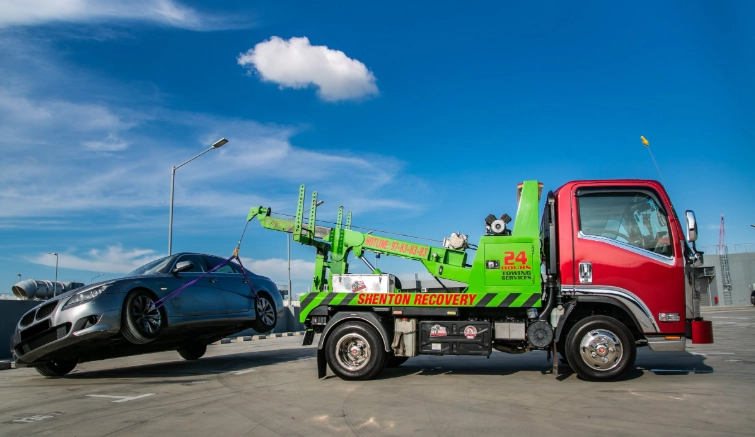
Dolly Towing
A small trailer (a dolly) is placed under two wheels, lifting them. The other two roll. Slightly gentler than a straight wheel-lift, but the same drivetrain rules apply. Never for AWD/4WD.
Here’s a quick comparison to keep in your mental glovebox:
| Method | Best For | Never Use For | Key Consideration |
|---|---|---|---|
| Flatbed | All vehicles, especially AWD/4WD, luxury cars, cars with damage. | - | Most expensive, but safest. |
| Wheel-Lift | Standard FWD or RWD cars in good condition. | AWD, 4WD, manuals (if not in neutral), cars with busted axles. | Must know which axle is drive axle. |
| Dolly | FWD vehicles where the front wheels are damaged. | AWD, 4WD. | Better for long distances than wheel-lift. |
How to Choose a Towing Service (Without Regret)
You can't just Google "tow truck near me" and pick the first result. That's how you get overcharged or get poor service. Here’s a real-world process.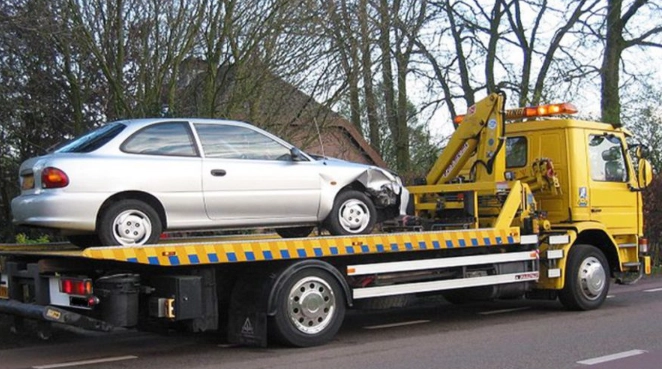
1. Know Your Resources Before You Need Them. Do you have roadside assistance through your auto insurance (like State Farm or Geico), your car manufacturer (like GM's OnStar or Toyota Roadside), your credit card (like AAA/CAA membership), or even your cell phone carrier? Dig out that info now. Save the number in your phone. These services have pre-negotiated rates and vetted providers.
2. If Calling Independently, Vet the Company. No membership? You're calling a local company. Look for:
- Proper Licensing & Insurance: Any legitimate company can provide their USDOT number. You can verify it on the FMCSA's SAFER website. This is non-negotiable.
- Local Physical Address: Be wary of PO boxes. A real garage adds accountability.
- Online Reviews (Read the Bad Ones): Don't just look at the stars. Read the 1- and 2-star reviews. What are the consistent complaints? Hidden fees? Slow response? Damage to vehicles?
3. The Phone Call Script. When you call, get specific. Don't just say "My car won't start."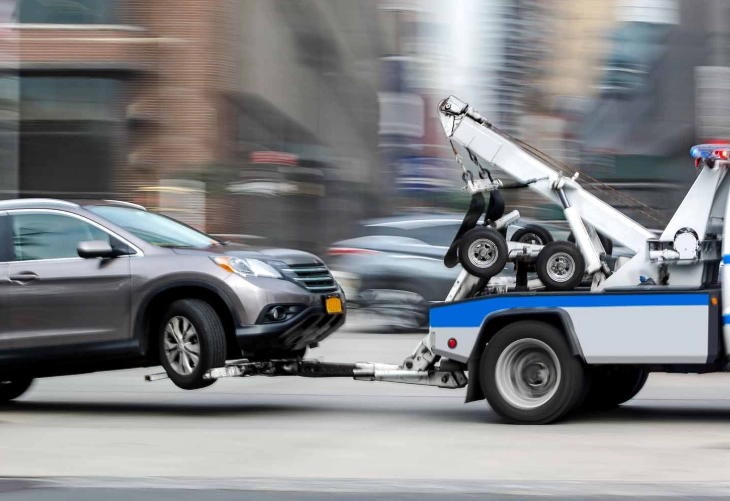
"Hi, I have a 2020 Honda CR-V (AWD) with a dead battery at [EXACT LOCATION: e.g., Main St. parking lot near 5th Ave]. I need a tow to [DESTINATION: e.g., Joe's Auto Repair, 123 Maple Rd]. Can you give me the all-inclusive price for a flatbed tow for that trip? Does that include the hook-up fee, mileage, and any other charges? What's your estimated arrival time?"
The Real Cost of Towing: A Detailed Breakdown
Towing costs aren't a mystery. They're built from clear, if sometimes inflated, components. National averages from sources like Consumer Reports and industry surveys give us a range, but your city matters. A tow in rural Iowa costs less than one in downtown New York.
- Hook-up / Service Fee: The base charge for the truck to come out. This is where after-hours, weekend, or holiday premiums hit hardest. Average: $75 - $125. Can jump to $150+ at night.
- Per-Mile Charge: After the first few included miles (often 5-10), you pay per mile. Average: $3 - $7 per mile.
- Type of Truck: Flatbed usually adds $25 - $50 to the total bill compared to a wheel-lift.
- Heavy-Duty Surcharge: For large trucks, SUVs, or vans over a certain weight. Ask!
- Storage Fees: If the tow yard holds your car, they charge daily. This can add up shockingly fast. Average: $30 - $100 per day.
Scenario: A 15-mile daytime tow for a sedan.
Hook-up: $100
Miles (10 miles after first 5): 10 x $5 = $50
Estimated Total: $150
Same tow at 2 AM on a Sunday.
Hook-up (after-hours): $150
Miles: $50
Estimated Total: $200
See how it works? Always, always get a price estimate before they dispatch the truck.
Safety & Communication: What to Do at the Scene
The truck arrives. Now what? Don't just stand there.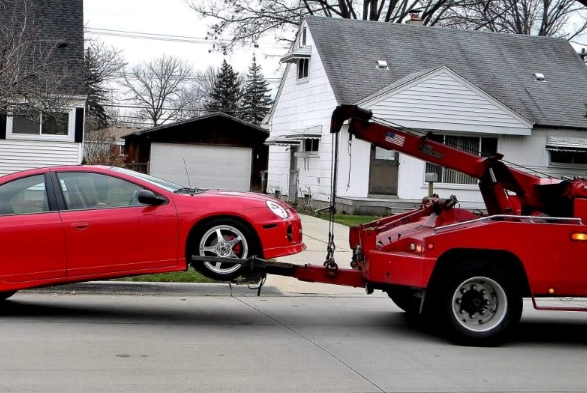
First, make yourself visible. Put on hazard lights, set up road flares or triangles if you have them. Stay behind a guardrail if possible.
When the driver approaches, have a conversation. This isn't being difficult; it's being smart.
"Thanks for coming. Just to confirm, you're from [Company Name]? I have a front-wheel-drive car. Are you planning to lift the front or rear? Can you show me where you'll attach the equipment?"
Watch where they hook up. It should be on a dedicated tow point or a structurally solid part of the frame. I once stopped a driver from hooking to a thin piece of suspension that would have snapped. He was in a hurry.
Get everything in writing. A receipt with the company name, driver info, total cost, and destination. Take a photo of your car on the truck. This is your evidence if anything goes wrong.
A Costly Lesson From My Early Days
Let me tell you about my first major breakdown. I was young, driving an old rear-wheel-drive sedan. It threw a rod on a country road at 9 PM. I called a tow service from a billboard.
The guy showed up with a wheel-lift. He hooked it to the rear of my car—the drive wheels—and started lifting. I didn't know any better. He didn't ask about the transmission. Forty miles later, we got to the shop. The bill was $280, which felt huge.
The real cost came later. The mechanic asked, "Did they tow it with the rear wheels down?" The automatic transmission, forced to spin without fluid pumping, was cooked. The tow bill was $280. The rebuilt transmission was $2,200.
That lesson cost me nearly $2,500. All because I didn't know to ask, "Should this be a flatbed?" or "Which wheels should be lifted?" Now you know.