Let's cut to the chase. You're thinking about off-road tires because you want to go places your current tires can't. Maybe it's a forest service road to a hidden campsite, a rocky trail to a viewpoint, or just the confidence to handle a muddy driveway. It's not about having a show truck; it's about capability and freedom. I learned this the hard way years ago, getting my stock SUV embarrassingly stuck in what looked like harmless damp clay. The right tires would have driven right out.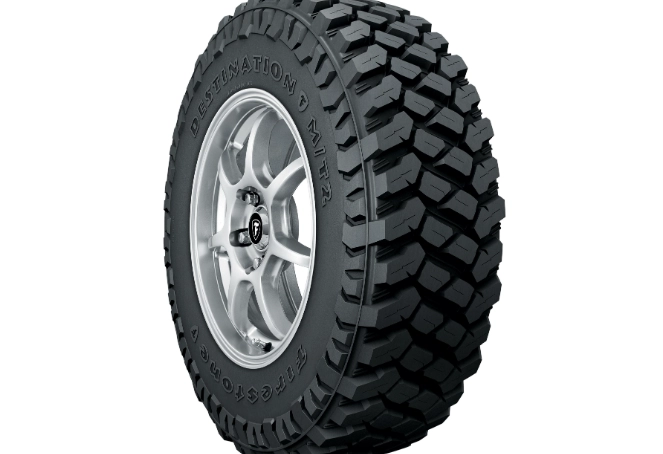
But here's the thing most articles won't tell you: slapping on the most aggressive, knobby tires you can find is often the wrong move. It can ruin your daily driving experience, cost you more in fuel, and even be less safe in common conditions like rain. Choosing off-road tires is a balancing act, a series of compromises between off-pavement grip and on-road civility, between durability and cost.
What You'll Find in This Guide
HT, AT, MT: Decoding the Off-Road Tire Alphabet
Forget marketing names. The industry breaks tires into three functional categories based on their tread pattern and rubber compound. Your choice here dictates 80% of your experience.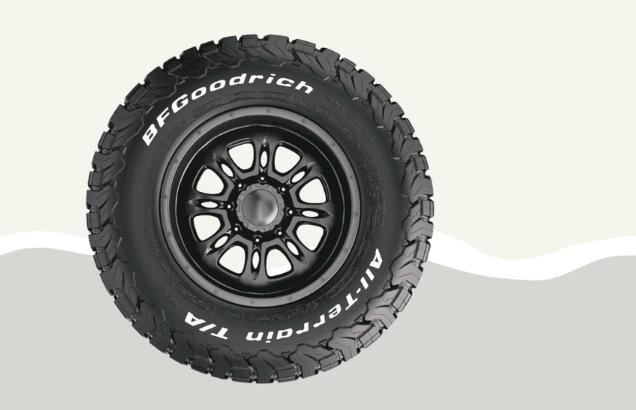
Highway-Terrain (HT) Tires
These are your standard SUV and truck tires. The tread is tight, with lots of rubber on the road for quiet, comfortable, and efficient highway travel. They're great in wet weather. Off-road? They're basically slick racing tires on dirt. A little gravel is fine, but any mud, deep sand, or loose rock will have you spinning. Most people who "need" off-road tires actually just need a better all-season HT tire.
All-Terrain (AT) Tires
The sweet spot for probably 70% of off-road enthusiasts. The tread has larger, more spaced-out blocks than an HT, with biters (sipes) on the edges for traction in dirt and light mud. They're designed to be a true 50/50 compromise. On the road, you'll notice a slight hum and maybe a 1-2 MPG drop. Off-road, they transform your vehicle, providing confident grip on most forest roads, hardpack trails, and even moderate rock crawling. Brands like BFGoodrich KO2, Toyo Open Country, and Falken Wildpeak dominate here.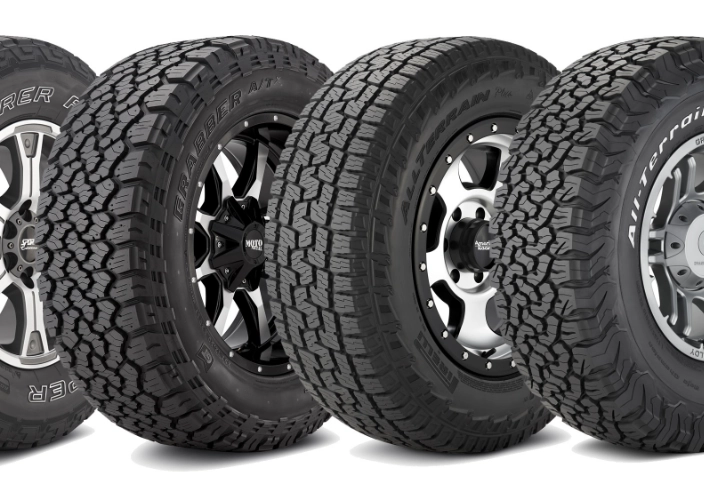
Mud-Terrain (MT) Tires
These are the beasts. Huge, deep, chunky tread blocks with wide voids between them to self-clean in deep mud. The rubber is often stiffer. They look the part, and in deep mud, sloppy clay, or over sharp rocks, they are kings. The compromise is severe: they are loud on the highway (a constant drone), often poor on wet pavement, can be scary on ice, and hurt fuel economy significantly. Unless you're regularly tackling severe terrain or competing, an MT is overkill. I ran a set for a year and switched back to ATs—the daily noise just wasn't worth it.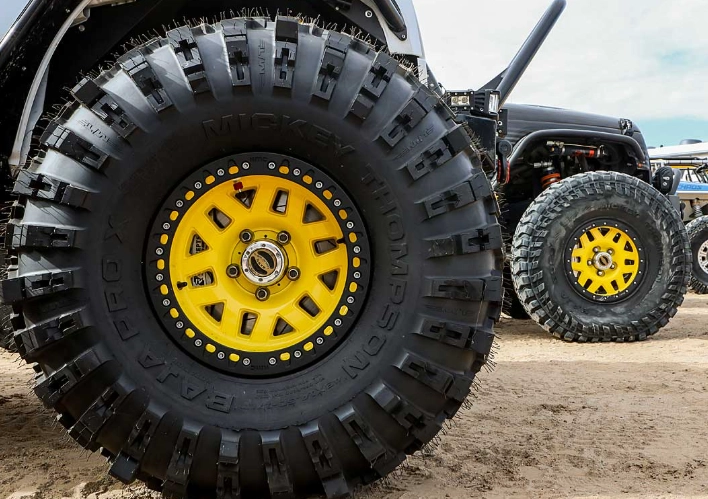
The Specs Sheet: What Those Numbers Really Mean
You see a size like "LT265/70R17." Here's what you're actually buying:
- LT vs. P: "LT" (Light Truck) denotes a tire with stronger, often multi-ply sidewalls and a higher load rating. It's heavier and stiffer but more resistant to punctures and sidewall damage off-road. "P" (Passenger) tires are lighter and give a smoother ride but are more vulnerable. For serious off-roading, LT is worth the trade-off.
- Treadwear, Traction, Temperature Ratings: These UTQG numbers are only useful for comparing tires within the same brand. A 500 from Brand A isn't the same as a 500 from Brand B. Ignore them as absolute guides.
- Load Range / Ply Rating: This (e.g., Load Range E, 10-ply) indicates the tire's strength and maximum inflation pressure. A higher load range means a tougher, heavier tire. Don't over-buy—if your truck's manual calls for Load Range C, an E-rated tire will ride like a brick.
- Three-Peak Mountain Snowflake Symbol: This is a big one. A tire with this symbol is certified for severe snow service. Many modern AT tires have this, making them excellent true all-weather options, often outperforming dedicated "winter" tires in deep snow for trucks/SUVs.
Matching Your Tire to Your Terrain (A Real-World Guide)
Be brutally honest about where you'll actually drive. Here’s a breakdown:
| Your Primary Terrain | Recommended Tire Type | Critical Feature to Look For | Example Tire Models |
|---|---|---|---|
| Paved roads, occasional gravel/dirt | Robust Highway-Terrain (HT) | Wet weather traction, comfort, long treadlife | Michelin Defender LTX, Continental TerrainContact |
| Mixed use: 60% road, 40% trails, fire roads, light snow | Standard All-Terrain (AT) | Three-Peak Snowflake rating, balanced on-road manners | Falken Wildpeak AT3W, Toyo Open Country A/T III |
| Rocky trails, technical terrain, frequent overlanding | Aggressive / Rugged All-Terrain (AT) | Reinforced sidewalls (3-ply), deep tread depth, stone ejectors | BFGoodrich KO2, Goodyear Wrangler DuraTrac, Nitto Ridge Grappler |
| Deep mud, clay, competition, extreme rock crawling | Mud-Terrain (MT) | Open, self-cleaning tread, thick sidewall protection | BFGoodrich KM3, Goodyear Wrangler MT/R, Nitto Trail Grappler |
See that middle row? That's where most people should live. The jump from a standard AT to a rugged AT is more about sidewall protection and compound toughness than tread pattern. It's insurance against a sliced sidewall on a sharp rock—a repair that often can't be fixed.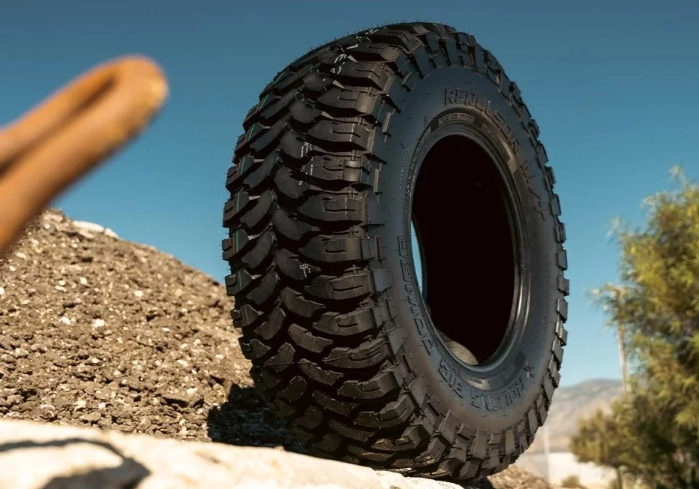
Four Costly Mistakes I've Seen (And Made)
Let's talk about the stuff that goes wrong.
1. Ignoring the Spare Tire. You buy five new, aggressive AT tires but keep the old, worn, mismatched HT as a spare. You get a flat on the rear. Now you have three new ATs and one old HT on the driven axle. On a 4WD/AWD vehicle, this difference in rolling diameter can strain the differential. Always rotate your spare into the regular rotation to ensure even wear and a matching backup.
2. Maxing Out Size Without Planning. Bigger tires look cool and offer more ground clearance. But they rub against your wheel well at full turn or suspension compression. The fix? A "lift kit" or cutting your fenders. Bigger tires also strain your brakes and slow down acceleration because they're heavier and change the final drive ratio. Re-gearing your differentials fixes this but costs thousands. Sometimes, a slightly taller but narrower tire gives you the clearance you need without the headaches.
3. Chasing the Cheapest Price Online. I get it. Tires are expensive. But the rock-bottom price from a no-name website often means no support. Mounting and balancing are extra. Warranty claims are a nightmare. If you have a vibration issue, is it the tire or the cheap installation? Pay a little more at a reputable local shop or a known online retailer like Tire Rack or Discount Tire that includes road hazard protection and stands behind their work.
4. Forgetting the Air Compressor. Off-roading 101: air down for traction. You might drop from 35 PSI to 18 PSI for sand or rocks. It makes a world of difference. But you must re-inflate before hitting the highway. Driving even a few miles at low pressure generates immense heat and can cause a tire to fail catastrophically. A portable 12V air compressor is non-negotiable gear. Don't rely on finding a gas station.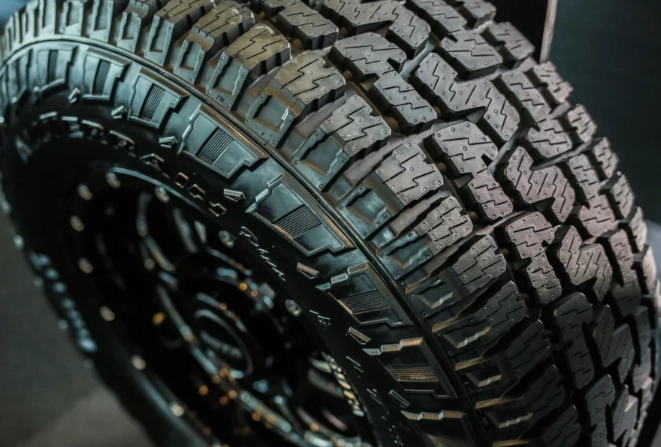
Maintenance That Actually Extends Tire Life
Off-road tires take a beating. Proper care isn't just about longevity; it's about safety.
Rotation is Non-Negotiable. Do it every 5,000-7,500 miles. Off-road tires, especially AT/MT, can wear unevenly fast. Front tires wear faster on the shoulders during cornering. Regular rotation ensures even wear across all five tires (remember the spare!).
Alignment Checks Post-Adventure. Hitting a rock or deep rut can knock your alignment out of spec faster than a year of city driving. Misalignment will shred the edges of your expensive new tires in a few thousand miles. Get it checked after any significant off-road trip where you took a hard hit.
Balancing – The Often-Forgotten Step. As mentioned earlier, off-roading throws off balance. That highway-speed vibration isn't just annoying; it causes uneven wear and stresses suspension components. A good shop can use "road force balancing" which is more accurate for larger, stiffer off-road tires.
Pressure Checks Are Weekly Rituals. Check pressures cold, before you drive. Off-road tires have stiffer sidewalls and might not look low even when they're 10 PSI under. Proper inflation is critical for even wear, fuel economy, and handling. Don't guess.
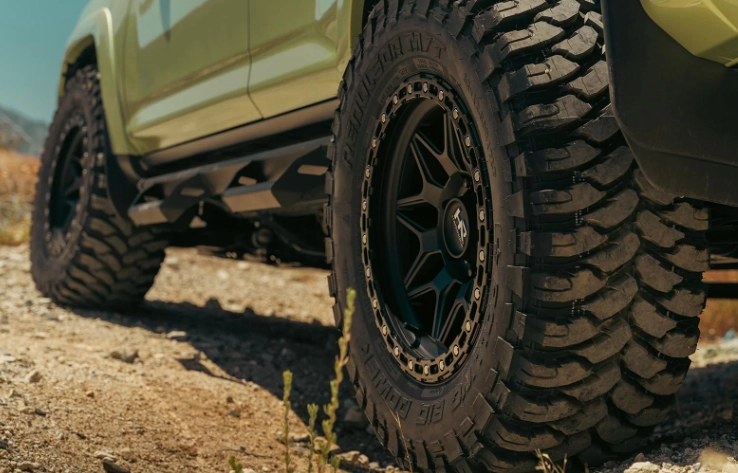
The bottom line? Off-road tires are the single most impactful upgrade for capability, but they require informed choices and committed maintenance. Don't just buy for the look. Buy for the terrain you'll truly conquer, and take care of your investment. Your vehicle (and your ears on the highway) will thank you.