Let's be honest. Swapping your tires every spring and fall is a hassle. You have to schedule appointments, store the off-season set, and pay for the mounting and balancing—twice a year. For most drivers, especially those living in regions with mild to moderate winters, there's a better way: all-season tires. They're the default choice for a reason, offering a compelling balance of convenience, cost, and capability. But are they right for you? The answer isn't always a simple yes.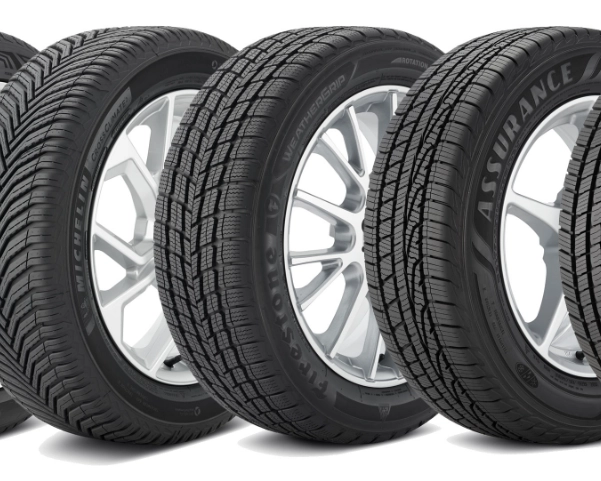
What You'll Find in This Guide
What Exactly Are All-Season Tires? (And What They're Not)
An all-season tire is designed as a single-tire solution. Its tread pattern and rubber compound are engineered to deliver acceptable performance in a wide range of conditions: dry and wet roads in the summer, and light snow or cold pavement in the winter. Look for the M+S (Mud and Snow) symbol and, more importantly, the three-peak mountain snowflake symbol on the sidewall. The snowflake means the tire meets specific snow traction performance standards.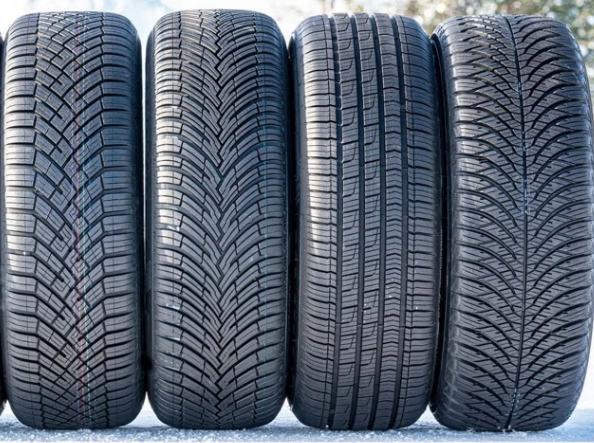
Here's the critical distinction most salespeople gloss over: All-season tires are a compromise. They won't grip a dry summer road like a dedicated summer performance tire, and they won't claw through deep snow or stop safely on ice like a true winter tire. Their genius—and their limitation—is in their versatility.
Don't confuse them with "all-weather" tires, either. That's a newer, distinct category. All-weather tires also carry the three-peak mountain snowflake symbol but use more advanced compounds to offer better winter performance than traditional all-seasons, often at a slight cost to tread life and summer noise. Think of it as a spectrum: Summer All-Season All-Weather Winter.
| Tire Type | Best For | Key Strength | Key Weakness | Ideal Climate |
|---|---|---|---|---|
| Summer / Performance | Max dry/wet grip, sporty handling | Precision and feedback on pavement | Dangerous in near-freezing temps, useless in snow | Warm, year-round climates |
| All-Season | Year-round convenience, mild winters | Good balance, long tread life, value | Compromised extreme performance | Four seasons with light, infrequent snow |
| All-Weather | Drivers wanting better winter grip without swapping | Legitimate snow capability, no seasonal change | Can wear faster, may be noisier in summer | Moderate winters with regular snow |
| Winter | Ice, deep snow, and consistent sub-freezing temps | Unmatched cold-weather safety and traction | Wears quickly in heat, poor warm-weather handling | Harsh winters with prolonged cold |
The Core Benefits: Why Most Drivers Choose Them
Convenience is the big one. One set of tires, year-round. No storage headaches, no extra service appointments. It simplifies car ownership.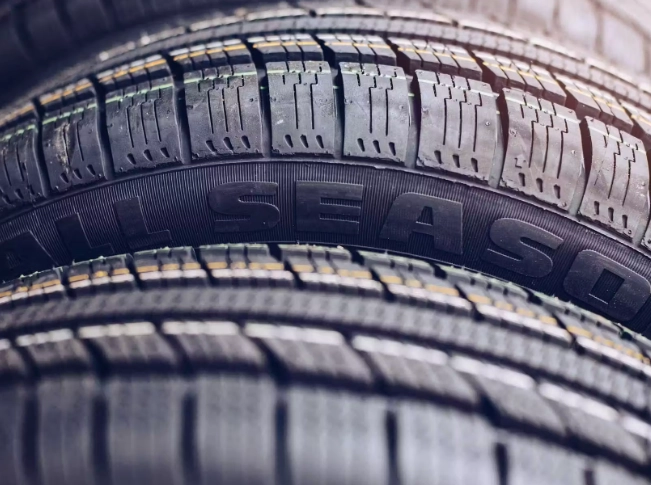
The financial argument is strong, too. While the initial purchase price might be similar to a set of summer+winter tires, you eliminate the twice-yearly changeover costs. Over four years, that's eight mounting/balancing fees you're saving. You're also not tying up capital in a second set of wheels or tires.
Modern all-season tires are remarkably competent. I remember when they were just "no-season" tires—mediocre at everything. Today, thanks to advancements in silica-infused rubber compounds and computer-designed tread blocks, the gap has narrowed. A top-tier all-season tire from Michelin, Continental, or Bridgestone offers impressive wet braking distances and respectable dry handling that would have been unthinkable 15 years ago.
For the vast majority of drivers—the commuter, the school-run parent, the road-tripper—this level of performance is more than enough. It's safe, predictable, and cost-effective.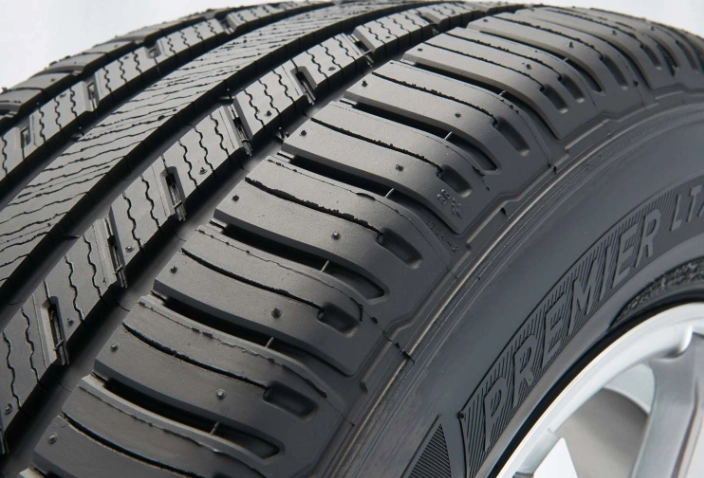
Key Considerations Before You Buy
Your local climate is the deciding factor. If your winter involves more than a dozen days of snow on the ground, or temperatures that consistently dive below 25°F (-4°C), you're pushing the limits of an all-season tire. The rubber compound hardens, traction drops. I learned this the hard way living in Colorado; my confident all-seasons turned into hockey pucks on an unexpected icy morning. It was a white-knuckle drive.
How and what you drive matters just as much.
Driving Style & Vehicle Type
Are you a relaxed driver or do you enjoy pushing corners on back roads? All-season tires come in different performance tiers. Grand-touring all-seasons prioritize a quiet, comfortable ride and long mileage. Performance all-seasons have stiffer sidewalls and tread patterns for sharper handling, often at the expense of some comfort and tread life.
If you drive an SUV, crossover, or truck, you must buy tires specifically designed for that vehicle class. The sidewall will say "SUV," "CUV," or "LT" (Light Truck). These tires have reinforced construction to handle the extra weight and higher center of gravity. Using a passenger-car all-season on an SUV is a safety risk.
Understanding the Code: UTQG Ratings
This is where most people glaze over, but it's your secret weapon. On the sidewall, you'll find a code like 740 A A. That's the Uniform Tire Quality Grading.
- Treadwear (e.g., 740): A comparative rating. A tire rated 740 should last roughly 74% longer than a baseline tire rated 100. Higher is better for longevity. Don't compare across brands, only within the same brand.
- Traction (A, B, C): Rates the tire's ability to stop on wet asphalt. AA is the highest, then A, B, C.
- Temperature (A, B, C): Rates the tire's resistance to heat generation at high speeds. A is the highest. For highway driving, don't settle for below B.
A common mistake is buying a tire with a 400 treadwear rating because it's cheaper, not realizing it will wear out twice as fast as a 800-rated tire, costing more per mile.
Your Step-by-Step Buying Guide
Ready to shop? Don't just walk in and ask for "all-season tires." Be specific.
1. Do Your Homework Online First. Sites like Tire Rack and Consumer Reports provide extensive test data on wet/dry braking, snow traction, noise, and wear. They test tires back-to-back, so you can see real differences. Look for patterns in reviews—if dozens of people say a tire is loud, it probably is.
2. Know Your Exact Tire Size. It's on your driver's side door jamb sticker, not the old tire's sidewall (you might be upgrading). It looks like P215/60R16 94V.
3. Match the Tire to Your Priority. Make a shortlist based on what you need most:
- Longest Mileage: Look for the highest treadwear rating in your size from a reputable brand.
- Best Wet Weather Safety: Look for AA traction grades and reviews praising wet braking.
- Comfort & Quiet: Focus on grand-touring categories and read reviews about noise.
4. Price Shop, But Include Services. The cheapest online price might not be best if your local shop charges $50 per tire for mounting. Many local shops will match online prices if you ask. Factor in things like free rotation packages, road hazard warranties, and alignment checks.
Keeping Them Rolling: Essential Maintenance Tips
A great tire ruined by neglect is a waste of money. Two things are non-negotiable.
Check Your Tire Pressure Monthly. Do it when the tires are cold (before driving). Use the pressure listed on your car's door jamb, not the max pressure on the tire sidewall. Under-inflated tires wear out faster, hurt fuel economy, and can overheat. Over-inflated tires give a harsh ride and wear the center of the tread. A $10 gauge is a wise investment.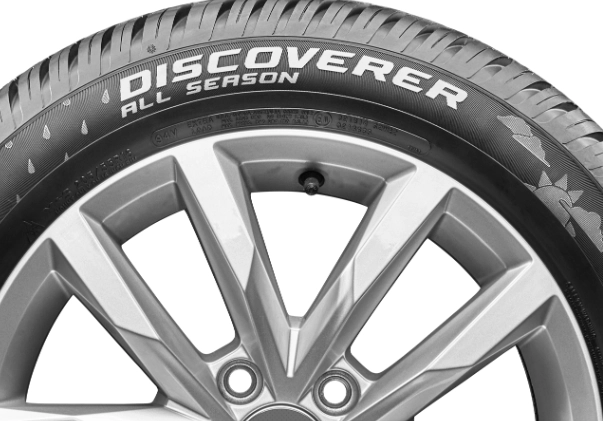
Rotate Your Tires Every 5,000-7,000 Miles. This ensures even wear across all four tires, extending their life. Front and rear tires wear differently. Most shops include a rotation with an oil change—just ask.
Keep an eye on tread depth. The legal minimum in most states is 2/32 of an inch, but that's dangerously low for wet weather. Consider replacing them at 4/32 of an inch for better safety in rain and snow. Use the penny test: Insert a penny into the tread with Lincoln's head upside down. If you can see the top of his head, your tread is too shallow.
Refer to resources like the National Highway Traffic Safety Administration's (NHTSA) tire safety guidelines for more detailed maintenance advice.
Your Top Questions Answered
Are all-season tires safe enough for occasional winter driving in cold regions?
They provide adequate safety for light, occasional snow and cold, dry pavement typical of transitional seasons. However, if you regularly face temperatures below 45°F (7°C), heavy snow, or ice, their rubber compound hardens, significantly reducing grip and braking performance. In those conditions, dedicated winter tires are vastly superior. Think of all-seasons as competent three-season tires with a bit of extra cold-weather tolerance, not a true winter substitute.
How long do all-season tires typically last compared to summer or winter tires?
You can generally expect a longer tread life from a quality all-season tire. The trade-off for their versatile compound is often a higher UTQG treadwear rating (e.g., 600-800) compared to high-performance summer tires (which may be 200-300) or softer winter tires. Many last between 50,000 to 80,000 miles with proper rotation and alignment. The key is not to mistake a high treadwear rating for indestructibility—aggressive driving or poor maintenance will shorten the life of any tire.
I drive an SUV. Do I need special all-season tires?
Yes, this is crucial. SUVs and crossovers are heavier and have a higher center of gravity. You need tires marked as SUV/CUV-specific. These tires have reinforced internal construction to handle the extra weight and stress, which improves stability, handling, and load capacity. Using a passenger-car all-season tire on an SUV is a safety compromise; it won't be rated for the vehicle's weight and may wear out prematurely or even fail.
What's the biggest mistake people make when buying all-season tires?
They buy based on price or brand name alone, ignoring the UTQG ratings and specific performance characteristics. A tire with a 400 treadwear rating will wear out twice as fast as one with an 800 rating, potentially costing more in the long run. Similarly, a tire branded for 'grand touring' comfort will feel numb and disconnected if you enjoy spirited driving. You must match the tire's design priorities—mileage, comfort, dry handling, wet braking—to your actual driving needs and local climate.