That sickening crunch of alloy meeting concrete. The subtle vibration through the steering wheel after a hidden pothole. Wheel damage feels awful, and looking at a scratched or bent rim every day is a constant reminder. But here's the thing most people don't realize: wheel repair isn't just about vanity. A bent rim can cause slow air leaks, mess with your tire pressure sensors, and even affect handling. Getting it fixed is often a smart move for your safety and your wallet, not just your car's looks.
I've seen all kinds of damage in my years around cars, from simple cosmetic scuffs to cracks that sent a wheel straight to the scrap pile. The difference between a $150 repair and a $500+ replacement often comes down to knowing what can be fixed, who can fix it, and when you should even bother.
What’s Inside: Your Roadmap
What Wheel Damage Can Actually Be Repaired?
Not all damage is created equal. Let's break down the common offenders and their fixability.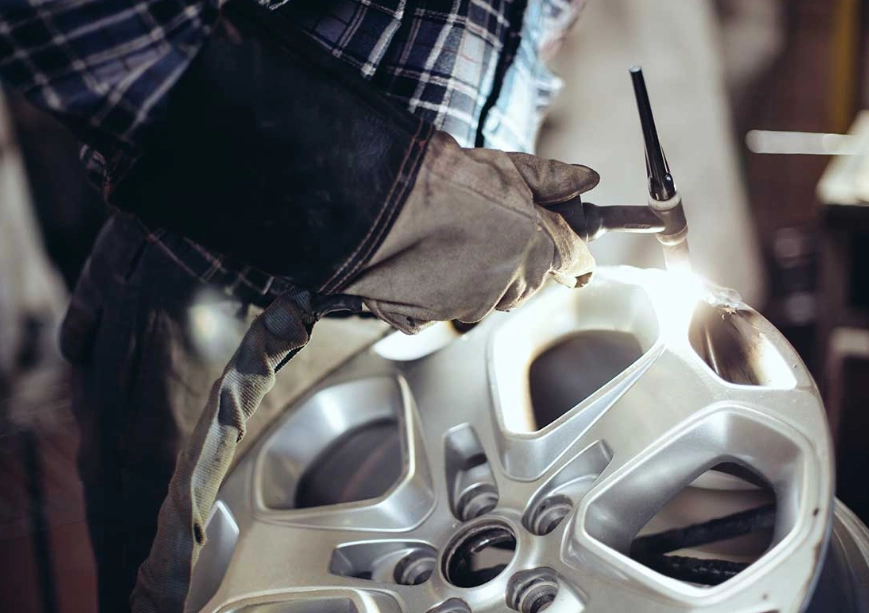
Curb Rash (The Classic Scrape)
This is the most common issue. You misjudge a parking space and grind your shiny rim against the curb. The good news? Most curb rash is purely cosmetic and highly repairable. We're talking about scratches, gouges, and scuffs on the rim's lip or face. A pro will grind it smooth, apply a specialized filler, machine it back to shape, and repaint. The result can be indistinguishable from new.
Pro Tip: The complexity (and cost) jumps if the damage is on a wheel with a complex, multi-spoke design or a machined face with a clear coat. Matching that exact machined finish is an art form. A simple painted surface is much easier.
Bent Rims
Hitting a pothole or curb at speed can bend the rim. A slight bend might just cause a vibration. A major one can prevent a tire from sealing. Many aluminum alloy rims can be straightened using hydraulic pressure and specialized tools. It's a precise process. The technician is looking for deviations of just a few millimeters.
Here's the catch everyone misses: if the bend is on the inner barrel, it's usually fixable. If it's on the outer lip where the structural integrity is more critical, or if there's a crease (a sharp fold in the metal), it's often a no-go. That wheel is compromised.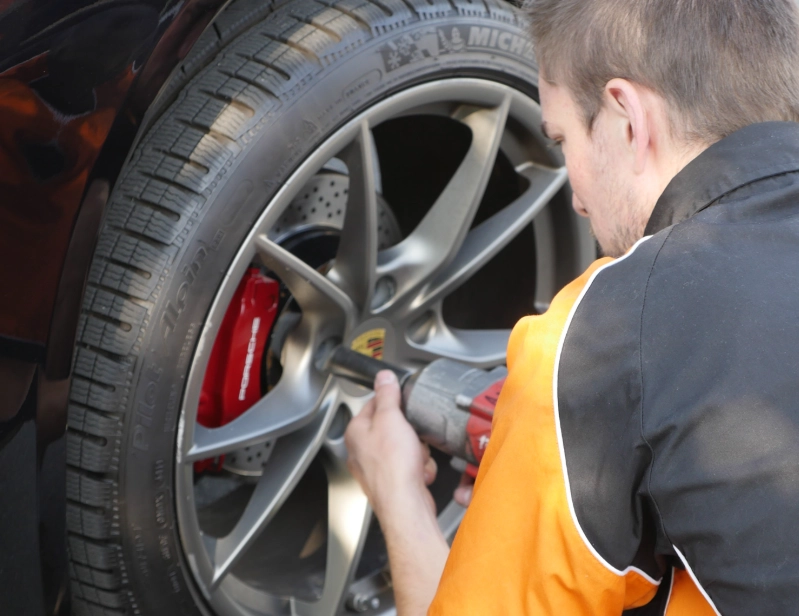
Cracks and Structural Damage
This is the red zone. A visible crack in the wheel is serious. Some shops offer welding services for cracks, but this is heavily debated. A proper weld can restore strength, but it requires immense skill and often re-heat-treating the metal, which most shops cannot do. My personal stance is conservative: for a daily driver, a cracked wheel should be replaced. The risk of failure isn't worth it. Welding might be an option for a rare, irreplaceable vintage wheel, but that's a specialist's job.
Corrosion and Clear Coat Failure
Common in areas that use road salt. The clear coat peels, moisture gets under it, and the aluminum oxidizes, leaving white, crusty patches. This is 100% fixable. The wheel needs to be stripped completely (often via media blasting), any corrosion treated, and then repainted and re-cleared. It's essentially a full restoration.
Inside a Professional Wheel Repair Shop
So what are you paying for? A good repair isn't just slapping on some putty and spray paint. Here's the typical process at a reputable shop.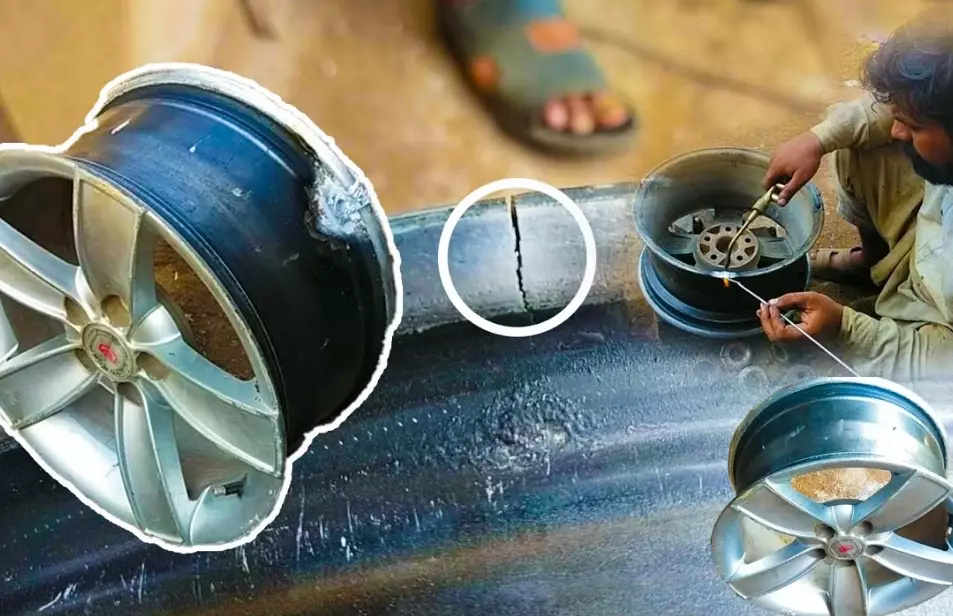
1. Inspection & Disassembly: The tire is removed. The wheel is thoroughly cleaned and inspected for all damage, including hairline cracks using dye penetrant. They'll check for runout (wobble) on a balancer to quantify the bend.
2. Preparation: The damaged area is ground down to clean, bare metal. For bends, the wheel is mounted on a hydraulic straightening machine.
3. Repair & Filling: For scrapes, a two-part, metal-filled epoxy is applied. It's not just body filler; it's designed to adhere to aluminum and withstand heat and stress. For bends, pressure is carefully applied to bring the rim back into spec.
4. Machining & Sanding: The filler is machined or sanded down to perfectly match the wheel's original contour. This step separates the amateurs from the pros.
5. Painting & Finishing: This is where the magic happens. The area is primed, painted with an automotive-grade paint that's color-matched (often using the factory paint code), and cleared with a UV-resistant clear coat. The best shops use a spray booth and bake the finish in an oven for durability.
6. Reassembly & Balancing: The tire is remounted and the wheel is dynamically balanced. A good shop will note if the repair added any minimal weight imbalance.
DIY Wheel Repair Kits vs. Professional Service
You've seen the kits online or at the auto parts store: sandpaper, filler, primer, and paint for $50-$80. Tempting, right?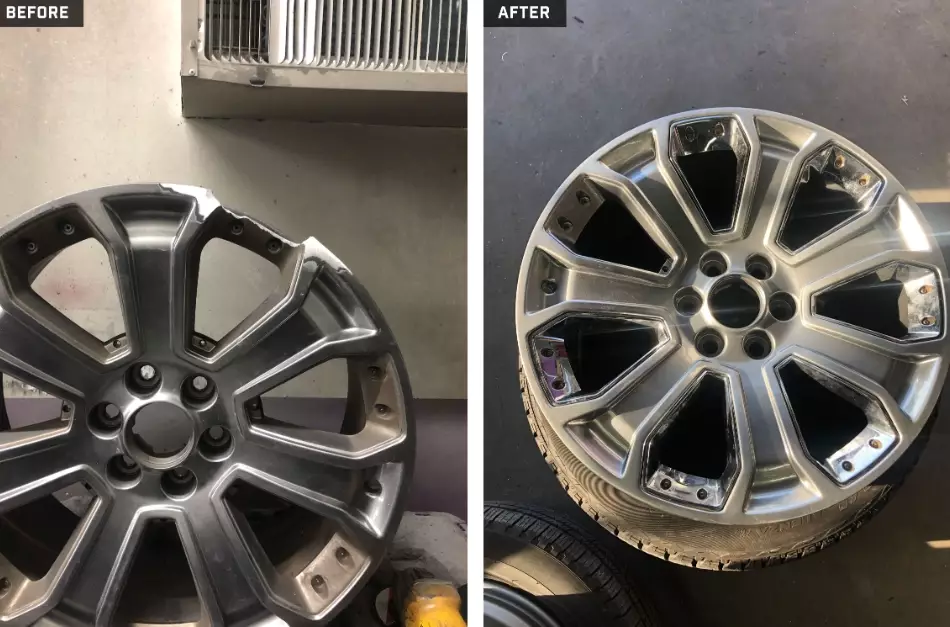
Let's be real. I tried one on an old spare wheel once. For a tiny scuff on a basic steel wheel you plan to hide under a hubcap, it might be okay. The result was... noticeable. The color was off, the finish was flat, and it lacked the hard, glossy clear coat of the original.
For alloy wheels, DIY kits almost always fall short. They can't replicate metallic or chrome finishes. They can't straighten bends. The rattle-can clear coat yellows and peels within months. You'll spend hours on a repair that ends up looking worse than the damage.
When to consider DIY: Practice on a spare. Fix a wheel on a beater car or a trailer where appearance doesn't matter. For anything you care about on your daily driver, the money for a kit is a down payment on a professional job.
Wheel Repair Cost: A Realistic Breakdown
Costs vary wildly by location, wheel size, and damage severity. Here’s a ballpark table to set expectations. Remember, these are per-wheel prices.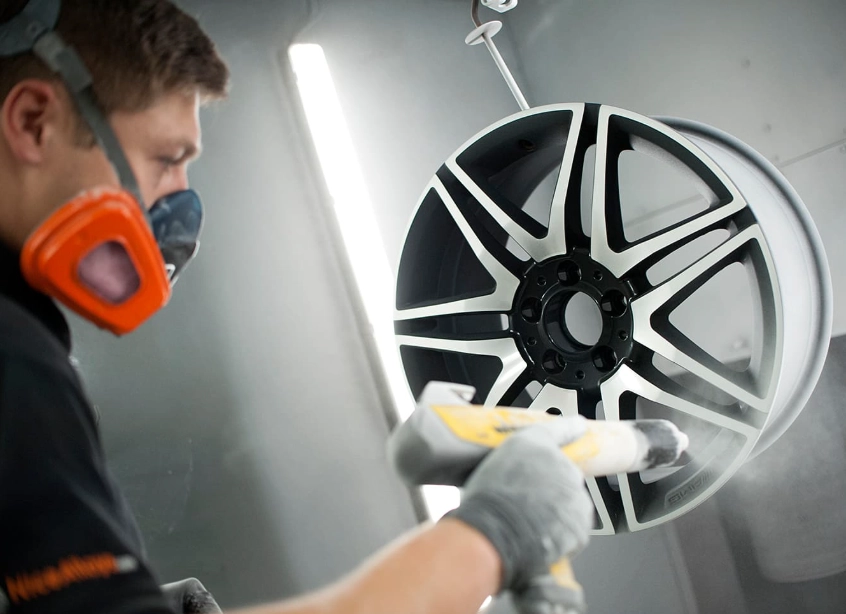
| Type of Damage | Basic Steel Wheel | Standard Alloy Wheel (17-19") | Premium/Large Alloy (20"+, Complex Finish) |
|---|---|---|---|
| Minor Curb Rash (cosmetic lip scratch) | $75 - $125 | $125 - $200 | $200 - $350 |
| Major Curb Rash (deep gouges, multiple spokes) | $100 - $150 | $175 - $300 | $300 - $500+ |
| Bent Rim Straightening (minor to moderate) | $100 - $150 | $150 - $250 | $250 - $400 |
| Full Restoration (strip, repair corrosion, repaint) | $150 - $200 | $250 - $400 | $400 - $700+ |
A few more financial notes:
- Tire Removal/Mounting/Balancing is almost always extra, adding $25-$50 per wheel.
- Paint Matching for exotic colors (chrome shadow, brushed titanium) costs more.
- Always get a written estimate after the shop sees the wheel in person. Phone quotes are guesses.
What about insurance? If the damage is from a covered incident (like a collision), yes. For pothole damage, it falls under comprehensive coverage, but you'll pay your deductible. For a single $250 repair with a $500 deductible, it doesn't make sense to file a claim and risk a premium hike.
How to Choose a Wheel Repair Shop You Can Trust
This is the most important step. A bad repair is money down the drain. Don't just pick the cheapest guy on Yelp.
Look for a specialist. A dedicated wheel repair shop is usually better than a general body shop. This is all they do.
Ask about their process. Do they use a spray booth and bake the paint? What kind of filler? Do they straighten on-site? Their answers will tell you if they're serious.
Demand to see before/after photos of actual customer wheels, especially of finishes similar to yours.
Check for warranties. A shop confident in their work will offer a warranty on their repair (e.g., 1-2 years against peeling or cracking).
Get a detailed quote that breaks down labor, parts, paint, and tire service.
One red flag I've learned: if a shop guarantees they can fix any crack or any bend, they're probably overpromising. A trustworthy technician will tell you when a wheel is beyond repair.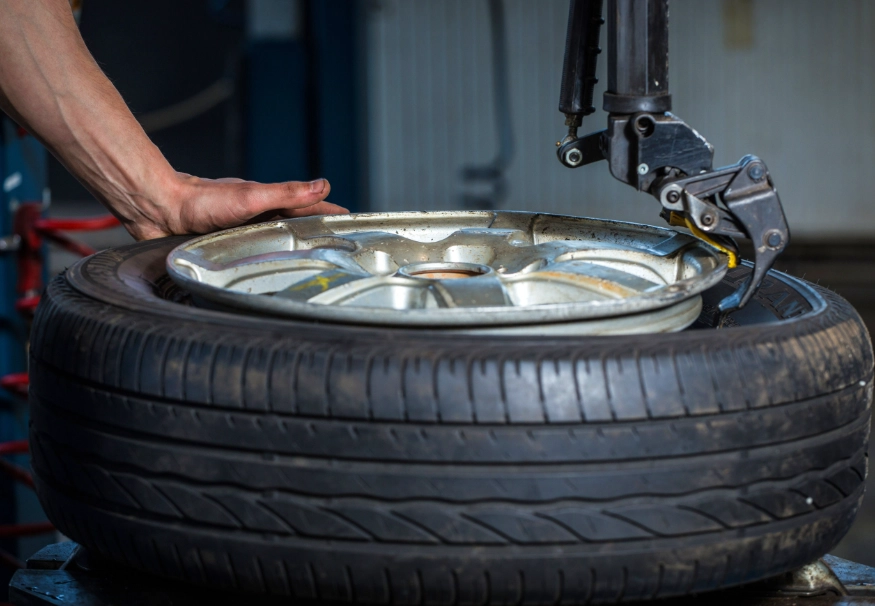
Your Wheel Repair Questions, Answered
Yes, in most cases. A skilled technician will grind down the damaged area, apply a metal-filled epoxy, then machine and paint it. The key is the technician's skill in color matching and clear coating. A bad match or weak clear coat will look worse than the original scratch. For very deep damage that reaches the wheel's structural bead seat (where the tire seals), repair might not be advisable for safety reasons.
For a tiny, shallow scuff on a wheel you don't care much about, maybe. But kits often fail on alloy wheels because they can't match the factory finish or metallic flake. You usually end up with a dull, obvious patch. For anything you want to look good, the $50-$100 you spend on a kit is better put toward a professional repair. The time and frustration you'll save is significant.
It depends. If you have comprehensive coverage, it might. But you'll have to pay your deductible, which is often close to or more than the repair cost ($150-$400 per wheel). Filing a claim can also raise your premiums. For a single wheel, paying out-of-pocket is almost always cheaper in the long run. Check with your city or county; some have pothole damage claim processes, though they can be difficult to win.
A quality repair should last the life of the wheel. The weak point isn't the filler; it's the paint and clear coat. A shop that uses proper automotive-grade paint, a UV-resistant clear coat, and bakes it in an oven will have a finish nearly as durable as the original. Avoid shops that just spray a rattle-can clear coat; it will yellow and peel within a year. Ask about their warranty as a good indicator of confidence.