In This Guide
- Why Even Consider an Electric Car?
- The Big Three Questions: Cost, Charging, and Range
- Navigating the EV Landscape: Types of Electric Vehicles
- The Nuts and Bolts: What to Look For When Shopping
- The Elephant in the Room: Battery Life and Degradation
- Answering Your Burning Questions (The FAQ)
- Final Thoughts Before You Take the Plunge
So you're thinking about an electric vehicle. Maybe your neighbor just got one and won't stop talking about it. Or you're tired of gas prices doing their rollercoaster impression every other month. I get it. I was in the same spot a couple of years back, drowning in a sea of specs, acronyms, and a whole lot of hype.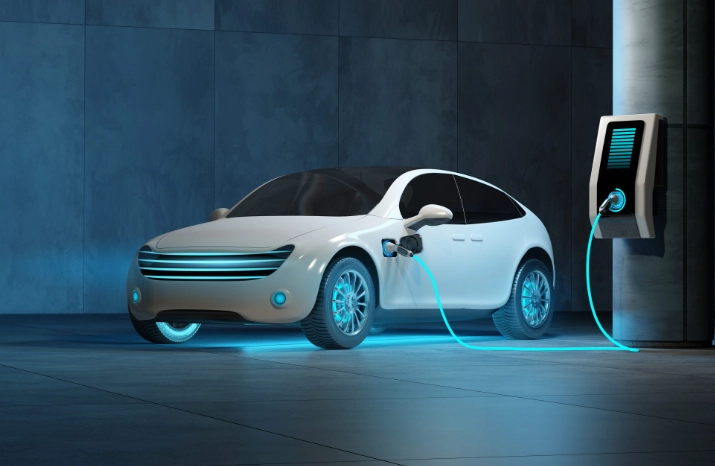
Let's cut through the noise. This isn't a sales pitch. We're going to talk about what it's actually like to live with an electric car. The good, the bad, and the surprisingly mundane. We'll get into the real costs, not just the sticker price. We'll demystify charging – because honestly, that was my biggest headache. And we'll look at the different types of electric vehicles out there, because it's not a one-size-fits-all world anymore.
My goal here is simple: to give you the same clear, no-BS info I desperately wanted when I was researching. No fluff, just the stuff that matters when you're about to spend a significant chunk of change.
Here's the thing they don't always tell you upfront: switching to an EV is less about being an early adopter and more about making a different, often smarter, calculation for your daily life. It's a different kind of car ownership, and understanding that difference is key.
Why Even Consider an Electric Car?
Forget the polar bears for a second (we'll come back to them, I promise). For most people, the switch starts with three very practical things: your wallet, your daily routine, and how you like to drive.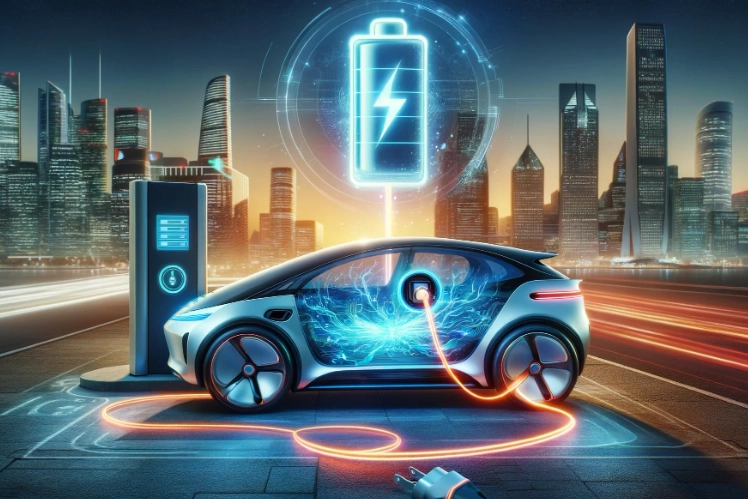
The fuel savings are real, and they're dramatic. Charging an EV costs a fraction of filling a gas tank. The U.S. Department of Energy has a great tool called the Alternative Fuels Data Center Fuel Economy Calculator that lets you compare costs based on your local electricity and gas prices. Plug in your numbers – the difference can be startling.
Then there's maintenance. No oil changes. No spark plugs, fuel filters, or emissions checks. Fewer moving parts in the motor mean fewer things that can break. Your brake pads last way longer thanks to regenerative braking. The savings here add up quietly but steadily over the years.
A quick reality check: The maintenance isn't *zero*. You still have tires, cabin air filters, windshield wiper fluid, and eventually, battery coolant service. But the list is undeniably shorter and often less frequent.
And the driving experience? This is the part that sold me. The instant torque means you get a smooth, quiet, and surprisingly quick response the moment you press the pedal. It's not about racing, it's about effortless merging and city driving. There's no gear shifting, just seamless acceleration. Once you get used to it, going back to a gas car feels… sluggish and loud.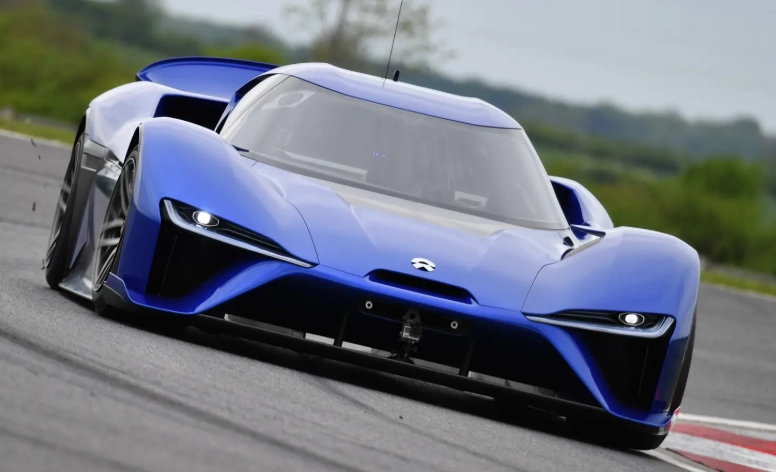
Okay, now the polar bears. Driving an electric vehicle produces zero tailpipe emissions. Even when you account for how the electricity is generated, the overall carbon footprint is typically lower than a comparable gasoline car, and it gets cleaner as the grid adds more renewables. The U.S. Environmental Protection Agency has detailed resources on electric vehicle myths and facts that break down the emissions story clearly.
The Big Three Questions: Cost, Charging, and Range
This is where most people get stuck. Let's tackle them one by one.
1. The Real Cost of an Electric Vehicle
The sticker price can still be higher. I won't sugarcoat that. But you absolutely cannot stop there. You have to look at the Total Cost of Ownership (TCO).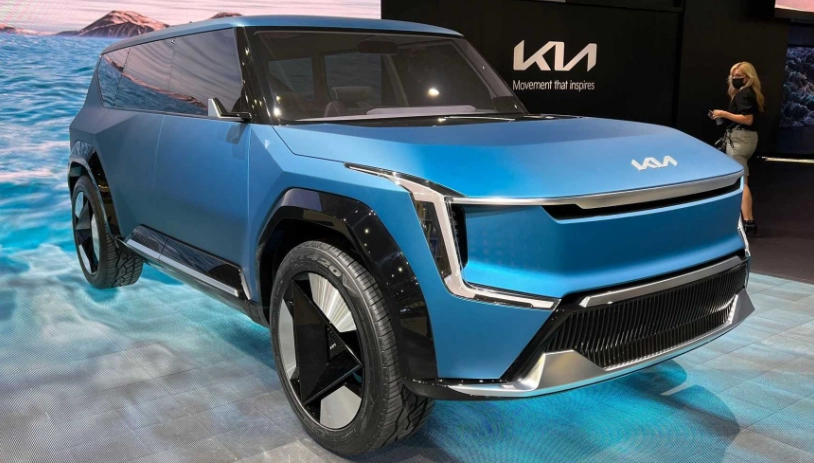
Think of it like this: you pay more at the door, but you pay less every single day you own it. The federal tax credit (up to $7,500 for new, qualified EVs) and often state incentives can significantly knock down that initial price. Then factor in the fuel and maintenance savings we talked about.
Here’s a simplified breakdown of where the money goes over 5 years for a typical mid-size sedan compared to an electric vehicle:
| Cost Category | Gasoline Sedan | Electric Vehicle | Notes |
|---|---|---|---|
| Purchase Price (After Incentives) | $30,000 | $35,000 | EV price often higher upfront. |
| "Fuel" Cost (5 yrs, 12k mi/yr) | $9,000 | $2,400 | Based on nat'l avg. gas vs. electricity rates. Huge EV win. |
| Maintenance & Repairs (5 yrs) | $4,500 | $2,200 | EVs have far fewer routine services. |
| Estimated 5-Year Total | $43,500 | $39,600 | The EV often becomes cheaper over time. |
See? The math flips. For high-mileage drivers, it flips faster. There are also potential insurance discounts and lower registration fees in some states. You need to run your own numbers, but for many, the long-term picture is financially positive.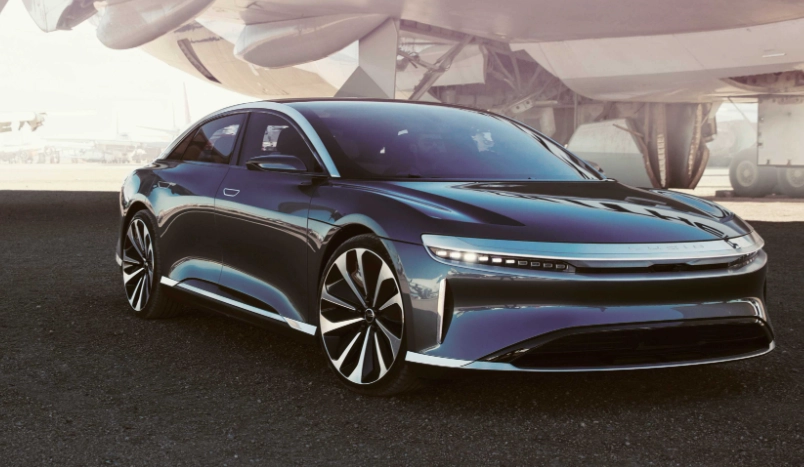
When I calculated this for my own commute, the EV broke even in about 4 years. Every mile after that has felt like free driving. Well, almost.
2. Charging: It's Not That Scary (Really)
This is the biggest mental hurdle. We're conditioned to "go to" fuel. With an EV, you bring the fuel to the car, mostly at home. It's a paradigm shift.
Home Charging (Level 2) is the Game-Changer. Imagine waking up every morning with a "full tank." That's home charging. You need a 240V outlet (like what your dryer uses) and a charging unit. Installation can cost a few hundred to over a thousand bucks, but many utilities offer rebates. This is your primary fuel source. Public charging is for road trips and the occasional top-up.
Public Charging Networks. For trips, you'll use DC Fast Chargers. Networks like Electrify America, EVgo, and Tesla's Supercharger (now opening to more non-Tesla cars) are expanding fast. You plug in, grab a coffee or lunch, and add 150-200 miles of range in 20-30 minutes. It's not as fast as gas, but it forces a nice break. Apps like PlugShare are essential to find and plan stops.
Level 1 Charging (the regular wall outlet) is painfully slow – maybe 4-5 miles of range per hour. It's only useful as an emergency trickle charge unless you drive very little.
"Range anxiety is slowly being replaced by charger anxiety." That's the new real concern. Not if the car can make it, but if the fast charger you're aiming for will be working, available, and not painfully slow. It's getting better, but it's a valid point.
3. Range: How Much is Enough?
Forget the EPA number on the window sticker for a second. Real-world range is affected by speed, weather (cold is a battery's nemesis), and use of climate control. An EPA-rated 300-mile EV might give you 270 in ideal conditions and 220 on a freezing highway trip with the heat on.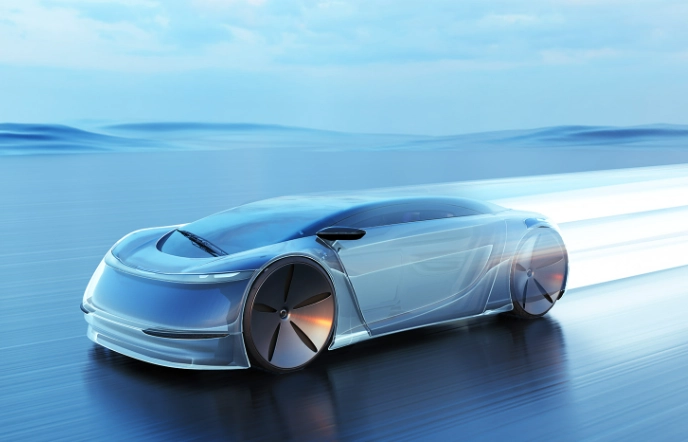
The key is to match the range to your life.
- Daily Commuter (under 40 miles/day): Even a shorter-range EV (150-200 miles) is more than enough. You'll charge at home nightly.
- Weekend Warrior: If you regularly take 150+ mile trips, aim for 250+ miles of EPA range. This gives you a comfortable buffer.
- The Road Tripper: Look for 300+ miles and, crucially, good fast-charging capability. The car's ability to accept a high charging speed (measured in kW) is as important as the battery size.
The EPA's Fuel Economy website lists official ranges and lets you compare models. It's a great starting point.
Honestly, after a few weeks, you stop looking at the range gauge like a hawk. You just know that starting Monday with 80% charge means you're good till Friday. It's a different rhythm.
Navigating the EV Landscape: Types of Electric Vehicles
Not all electric vehicles are created equal. The acronyms can be confusing, so let's clear it up.
BEV (Battery Electric Vehicle): This is what most people mean by "EV." It runs 100% on battery power, plugs in to charge, and has no gas engine. Examples: Tesla Model 3, Ford Mustang Mach-E, Chevrolet Bolt, Hyundai Ioniq 5. Zero tailpipe emissions.
PHEV (Plug-in Hybrid Electric Vehicle): This is a bridge technology. It has a smaller battery (typically 20-50 miles of electric range) and a gasoline engine. You plug it in. Once the battery is depleted, the gas engine kicks in like a regular hybrid. Best for people who can't commit to full electric yet or have very unpredictable long drives. Example: Toyota RAV4 Prime.
There's also the FCEV (Fuel Cell Electric Vehicle) that runs on hydrogen, but they're extremely niche due to a lack of fueling infrastructure.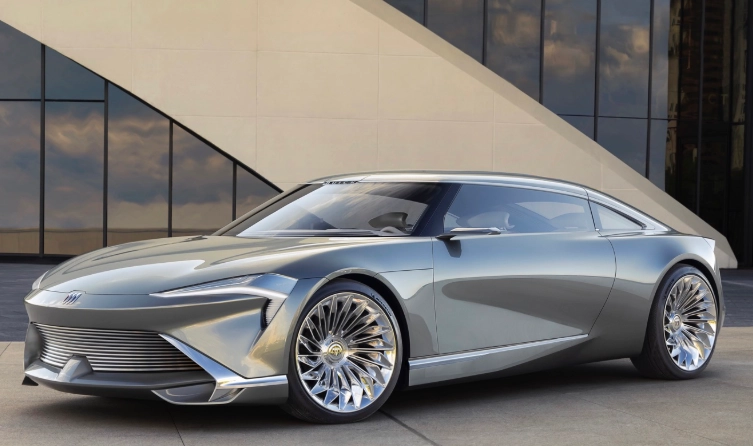
My take? If you can make a BEV work for 90% of your driving, go for it. The simplicity is beautiful. If your life is truly all over the map and charging access is poor, a PHEV lets you dip your toes in the electric water without the same fears.
The Nuts and Bolts: What to Look For When Shopping
Alright, you're getting serious. Here's your checklist beyond just color and sunroof.
- Battery Warranty: This is critical. Look for at least an 8-year/100,000-mile warranty on the battery pack. It ensures long-term peace of mind.
- Charging Speed (DC Fast Charging): What's the max kW the car can accept? Higher is better for road trips. 150kW is a good modern baseline; some go to 250kW or 350kW.
- Home Charging Speed (Level 2): Most accept up to 11.5 kW, which is fine. Some accept less, which just means a slightly slower overnight charge.
- One-Pedal Driving: A feature where lifting off the accelerator aggressively slows the car, recapturing energy, and often bringing you to a complete stop. It sounds weird, but it makes city driving incredibly relaxing. Test drive it.
- Heat Pump: Not a luxury. A heat pump is vastly more efficient at heating the cabin in cold weather than traditional resistive heaters, saving a huge amount of battery range in winter. If you live in a cold climate, prioritize this.
The Elephant in the Room: Battery Life and Degradation
Will you need to replace a $20,000 battery in 5 years? Almost certainly not.
Modern EV batteries are designed to last the life of the car. Degradation is highest in the first couple of years (maybe 5-10%) and then slows dramatically. You might lose 1-2% per year after that. So after 8 years, you might have 80-85% of your original capacity. That means a 300-mile car becomes a 255-mile car. Still very usable.
Factors that accelerate degradation: consistently charging to 100% and letting it sit, frequent use of the fastest DC chargers, and living in extremely hot climates. The best practice? For daily use, set your charge limit to 80-90% and only go to 100% right before a trip. The battery management systems are smart, but they appreciate the help.
Answering Your Burning Questions (The FAQ)
Final Thoughts Before You Take the Plunge
Going electric isn't for absolutely everyone yet. If you live in an apartment with no charging options and no reliable public chargers nearby, it's a tough sell. If you tow heavy loads long distances every week, the technology is still catching up.
But for a huge number of people with a driveway or garage and a fairly predictable routine, an electric vehicle is not just a viable choice – it's a genuinely better one. The quiet, smooth, cheap-to-run daily experience is hard to give up once you're used to it.
The best advice I can give you is this: Go test drive one. Not for 10 minutes around the block. Ask for an extended test drive or a rental for a day. Live with it. Try your commute. Try plugging it in. See how it fits.
The numbers on paper are one thing. The feeling of never going to a gas station again? That's something else entirely. And for me, that convenience, coupled with the lower running costs and that sweet instant torque, made all the difference.
The electric vehicle landscape is moving fast. But the core benefits – simplicity, efficiency, and a unique driving character – are here to stay. Do your homework, ask the tough questions, and you might just find your next car doesn't need a tailpipe at all.