Imagine your car battery dies in your office parking lot at 5 PM. The traditional script involves a frantic call to a tow truck, an hour-long wait, a ride to a shop that's probably closing, and then figuring out how to get home. Now, erase that image. What if the repair shop came to you? That's the promise of mobile auto repair, and it's changing how we deal with car trouble. It's not just a luxury for the wealthy; it's a practical, often cost-effective solution for anyone whose time is valuable or whose car is inconveniently stranded.
I've been a car owner for twenty years and have used mobile mechanics for everything from a simple oil change to diagnosing a mysterious check engine light that three traditional shops couldn't pin down. The convenience is obvious, but the real value often lies in the transparency and personalized service. Let's break down everything you need to know.
What You'll Find in This Guide
- What Exactly is Mobile Auto Repair?
- Key Benefits: Why Choose a Mobile Mechanic Over a Shop?
- What Can a Mobile Mechanic Actually Fix at Your Location?
- Understanding the Cost: Is Mobile Repair More Expensive?
- How to Choose a Reliable Mobile Auto Repair Provider
- What to Expect: The Typical Mobile Service Process
- Your Mobile Repair Questions Answered
What Exactly is Mobile Auto Repair?
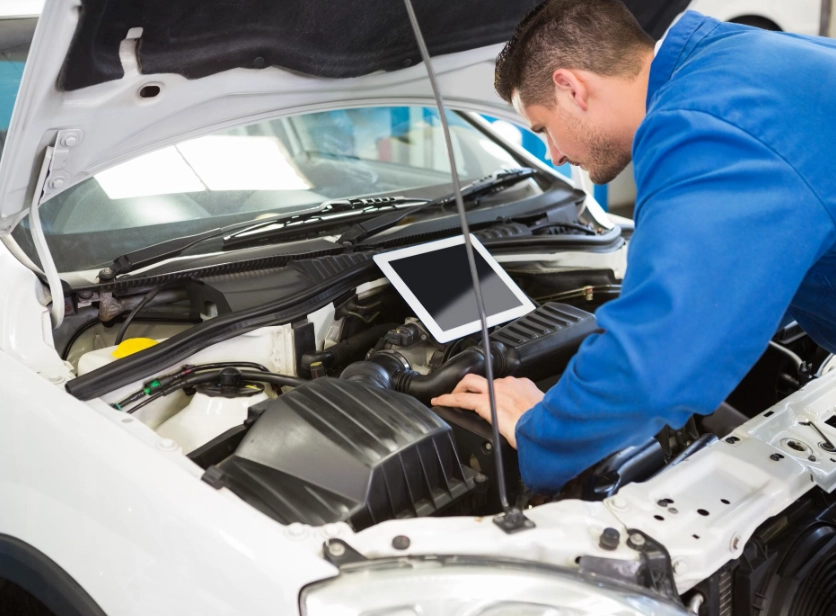
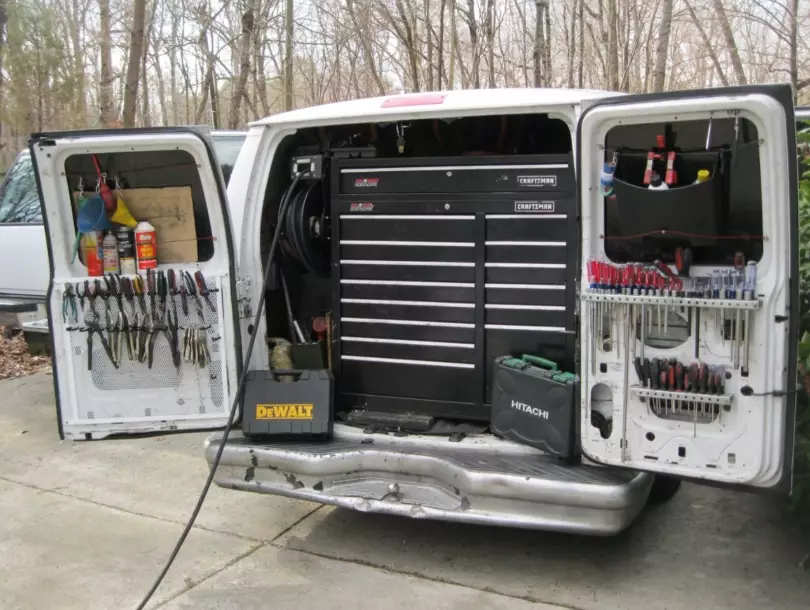
Mobile auto repair is exactly what it sounds like: a certified automotive technician operates from a fully-equipped service vehicle (often a van or truck) and performs repairs at your chosen location. This could be your home driveway, your office parking lot, an apartment complex, or even the side of the road. The mechanic's vehicle is a rolling workshop, stocked with tools, diagnostic computers, and commonly replaced parts.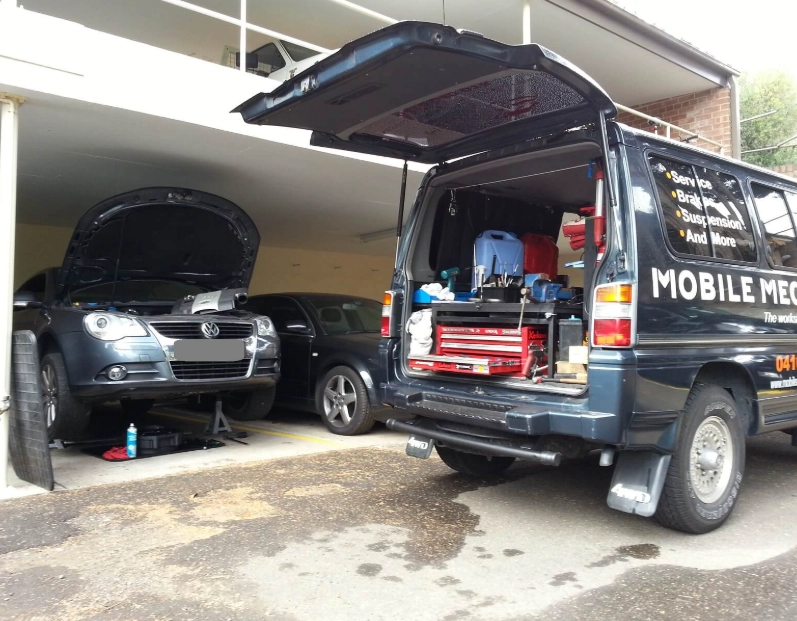
The scope has expanded far beyond simple jump-starts. While it started as an emergency service, it's now a comprehensive alternative to the brick-and-mortar garage for most routine and many complex repairs.
Key Benefits: Why Choose a Mobile Mechanic Over a Shop?
The biggest draw is convenience, but the advantages run deeper.
Time is everything. You eliminate travel, waiting room hours, and arranging alternate transportation. The repair happens while you work, run errands, or relax at home. A 2021 survey by the Automotive Aftermarket Suppliers Association noted a significant consumer shift towards services that minimize downtime.
Transparency you can see. Ever felt uneasy about what a shop in the back is actually doing? With a mobile mechanic, the work often happens right in front of you. You can ask questions in real-time, see the worn part they removed, and understand the diagnosis directly. This builds immense trust.
Potential for lower overhead costs. Without the rent and utilities of a large shop, some mobile mechanics can offer competitive labor rates. However, this is nuanced—some charge a premium for the convenience. We'll dissect costs next.
Ideal for multi-vehicle households. Need an oil change for two cars? A mobile mechanic can do them back-to-back at your home, saving you two separate trips.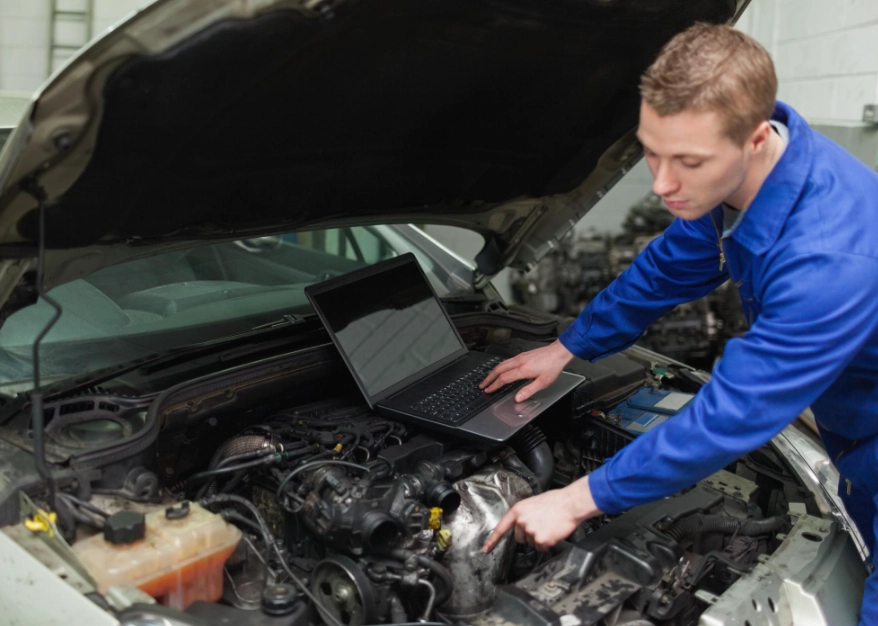
A subtle point most guides miss: Mobile mechanics are often more motivated to diagnose correctly the first time. In a traditional shop, if a diagnosis is wrong, the car is already there. For a mobile tech, a wrong diagnosis means a second trip, lost time, and a frustrated customer. Their business model incentivizes accuracy.
What Can a Mobile Mechanic Actually Fix at Your Location?
The list is surprisingly long. Think of it as anything that doesn't require a vehicle lift or extremely heavy machinery. Services generally fall into three categories:
Routine Maintenance & Minor Repairs (The Bread and Butter)
- Oil and filter changes
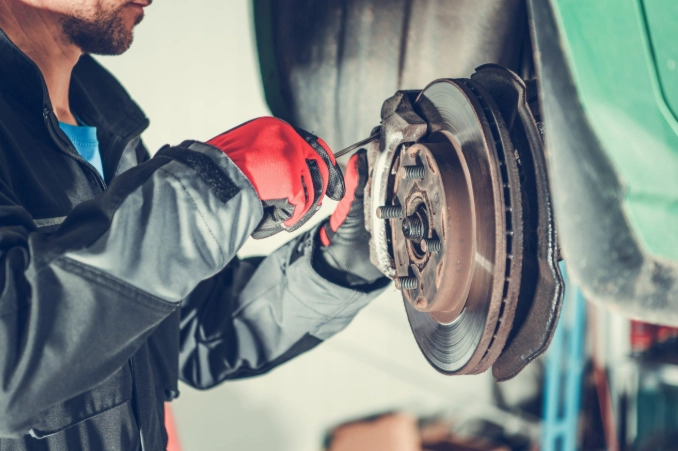
- Brake pad and rotor replacement
- Battery testing, replacement, and jump-starts
- Tire rotation, repair, and replacement (they carry common tire sizes)
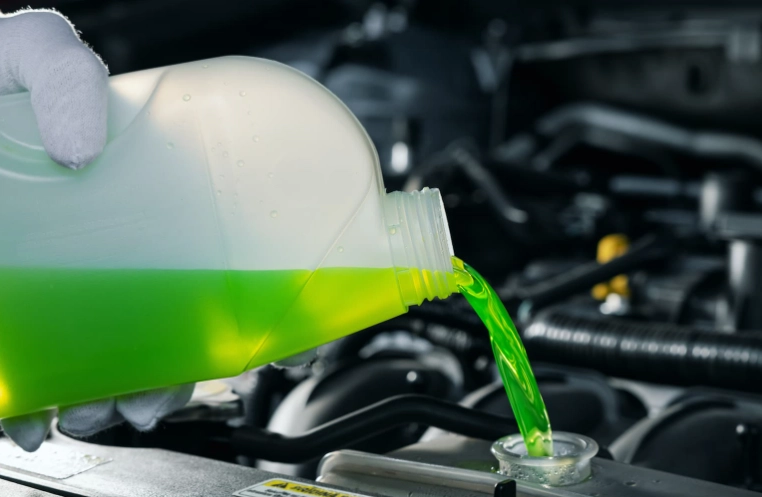
- Fluid services: coolant flush, brake fluid, transmission fluid, power steering fluid.
- Light bulb replacements (headlights, taillights, interior)
- Wiper blade installation
- Air filter and cabin air filter replacement
Diagnostics & Electrical Work (Where They Often Shine)
Modern mobile vans carry professional-grade OBD2 scanners and have extensive wiring diagrams. They excel at:
- Check engine light diagnosis
- Electrical issue troubleshooting (dead windows, faulty locks, stereo problems)
- Starting and charging system analysis (alternator, starter, battery)
Moderate Mechanical Repairs
- Alternator and starter replacement
- Serpentine belt and accessory drive replacement
- Spark plug and ignition coil replacement
- Fuel pump replacement (on many models)
- Strut and shock absorber replacement
- Exhaust system repairs (muffler, pipes)
Services that typically cannot be done mobile include major engine or transmission rebuilds, frame/body work, and alignments, as they require stationary, heavy equipment.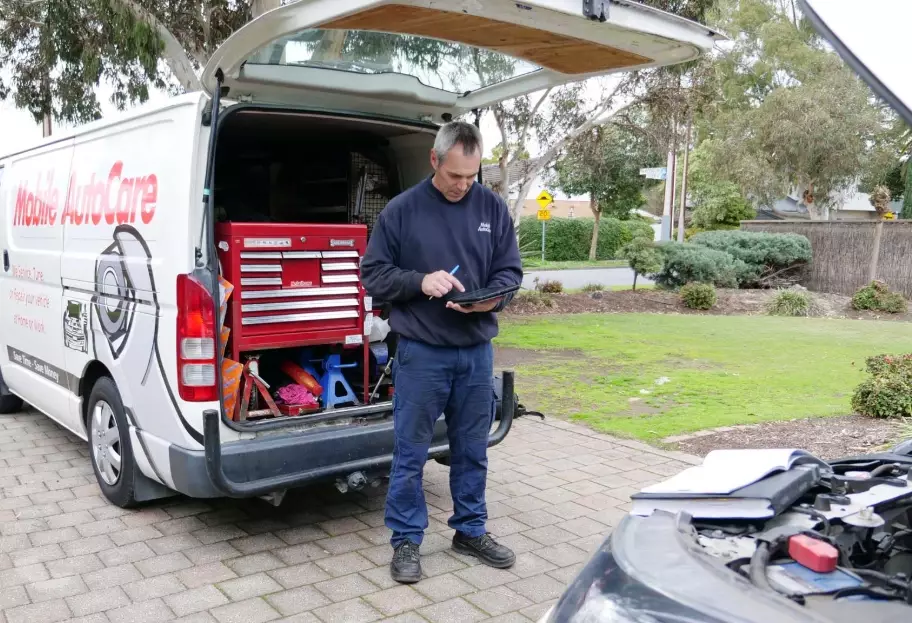
Understanding the Cost: Is Mobile Repair More Expensive?
This is the most common question. The answer isn't a simple yes or no. You're paying for a different bundle: parts, labor, and convenience. A fair comparison must include your personal value of time and ancillary costs.
| Cost Factor | Traditional Repair Shop | Mobile Auto Repair Service |
|---|---|---|
| Labor Rate (Hourly) | Often $90 - $150/hr | Can range from $80 - $180/hr. May be comparable or include a travel premium. |
| Parts Markup | Standard industry markup (e.g., cost + 30-50%) | Similar markup. Always ask for the option to supply your own parts. |
| Travel/Dispatch Fee | Not applicable | Common. A flat fee ($20-$50) to cover fuel and travel time to your location. |
| Your Time Cost | High. Driving, waiting, arranging rides. | Near zero. You continue your day. |
| Hidden & Ancillary Costs | Towing (if car won't drive), ride-share/taxi fares, missed work. | Often eliminates towing costs. No travel costs for you. |
| Best For | Major repairs, scheduled service when you have time, warranty work. | Routine maintenance, diagnostics, repairs for non-drivable cars, busy professionals, multi-car households. |
For a non-drivable car, mobile repair almost always wins financially by avoiding a $100+ tow bill. For an oil change, you might pay $20 more for the mobile service, but you've saved 90 minutes of your Saturday.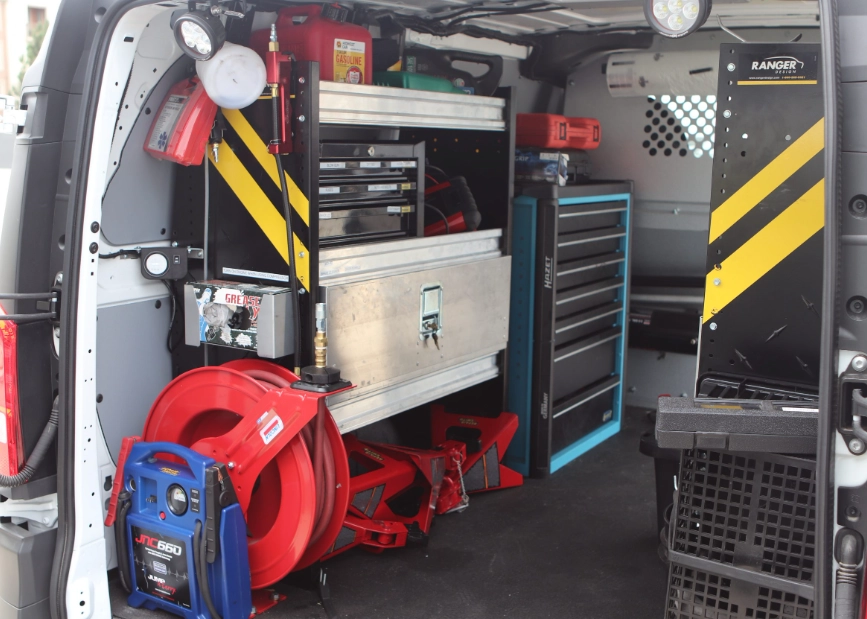
How to Choose a Reliable Mobile Auto Repair Provider
Trust is crucial when someone is working on your car unattended at your home. Don't just pick the first Google result.
Verify credentials. Look for ASE (Automotive Service Excellence) certification. This is the industry standard for technical competence. Check for a valid state business license and ask about insurance—they should have garage liability insurance that covers work performed off-site.
Read the real reviews. Go beyond the star rating on Google or Yelp. Read the detailed reviews. Look for patterns: Are they consistently on time? Do they communicate well? Do they explain the problems clearly? A red flag is a profile with only vague, 5-star reviews that sound generic.
Get a detailed estimate upfront. A reputable provider will give you a written or digital estimate that breaks down parts, labor, the travel fee, and taxes before starting work. Be wary of anyone who gives only a vague verbal quote.
Ask about parts warranty. They should offer at least a 12-month/12,000-mile warranty on parts and labor, similar to a physical shop.
My personal checklist: I always ask, "What's the most common misdiagnosis for this symptom?" An experienced mechanic will have a thoughtful answer about ruling out related components. A less experienced one might just repeat the obvious.
What to Expect: The Typical Mobile Service Process
Knowing the flow removes anxiety.
1. Booking & Initial Contact: You call or book online, describing the problem. A good service will ask for your vehicle's make, model, year, and VIN. They'll likely give a preliminary time window.
2. The Confirmation: The mechanic assigned to your job will call or text you, often an hour before arrival, to confirm. This is your chance to give precise location details (e.g., "I'll be in the blue sedan in the west parking lot, spot 45").
3. On-Site Diagnosis: The mechanic arrives in their service vehicle. They'll inspect the vehicle, often hook up a scanner, and provide a verbal diagnosis and a written estimate. Do not authorize work without this estimate.
4. The Repair: Once you approve, they get to work. Payment is typically collected upon completion via credit card reader, invoice, or digital payment app.
5. The Handoff: They should show you the old parts, explain what was done, and provide a digital or physical detailed receipt. A final test drive with you is a good sign.