You pull up for an oil change, get the quote, and there it is: $100. Your brain immediately asks the question. Is that normal? Am I getting ripped off? Should I have gone somewhere else?
The short, frustrating answer is: it depends. A hundred bucks can be a complete rip-off for one car and a screaming deal for another. The problem with searching for an "average" price is that it's almost meaningless without context. I've been fixing cars and writing about them for over a decade, and the biggest mistake I see people make is comparing their bill to a national average without understanding what's on it.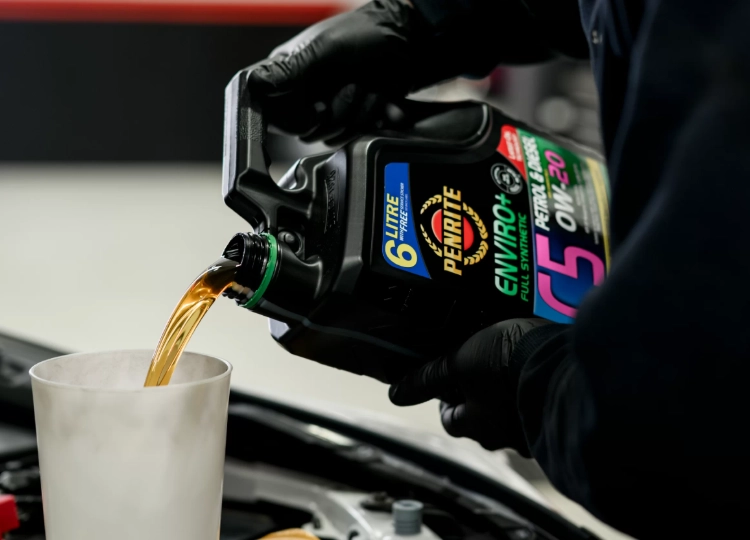
Let's cut through the noise. We're not just going to tell you the average is between $35 and $75. We're going to show you why your specific bill might be $45, $85, or $150, and give you the tools to know if what you're paying is fair.
What You'll Learn
What Determines the Cost of an Oil Change?
Think of the price like a pizza. The base price is the crust (labor and basic oil). Everything else is a topping that adds cost. Here are the main toppings:
1. The Oil Itself: Conventional, Synthetic Blend, or Full Synthetic
This is the single biggest factor. Conventional oil, refined from crude, is the cheapest. Full synthetic oil is engineered molecule-by-molecule for better performance, especially in extreme temperatures and for longer intervals. It costs more to make, so you pay more. A synthetic blend sits in the middle.
Many modern cars, especially those with turbochargers, high-performance engines, or specific fuel economy requirements, require full synthetic. Your owner's manual is the final word. Using conventional oil in a car that needs synthetic is a great way to cause expensive long-term damage.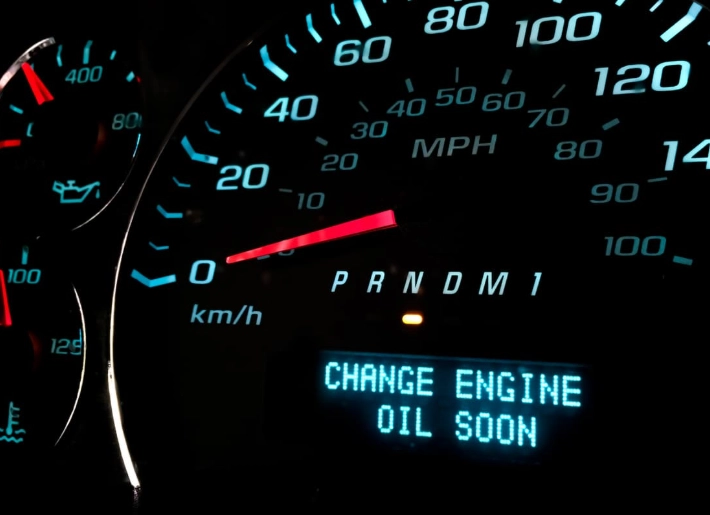
A Non-Consensus View: Don't fall for the "synthetic is always better" hype for older, simple engines. If your 2005 Honda Civic's manual says conventional oil is fine, using a premium full synthetic is often overkill. You're paying for benefits your engine can't fully utilize. The money is better spent on changing the oil more frequently with the recommended grade.
2. Your Car's Appetite (How Many Quarts?)
A compact sedan might take 4-5 quarts. A large truck or SUV with a V8 can easily drink 7-8 quarts. If oil is $8/quart, that's a $24 difference right there. Always know your car's capacity—it's in the manual.
3. The Oil Filter
Filters aren't created equal. A basic filter might cost the shop $5, a high-quality one with better filtering media and a robust anti-drainback valve might cost $15. Some European or performance cars have cartridge-style filters that are more expensive. A good shop will use a quality filter; a cheap shop might use the absolute cheapest one they can find.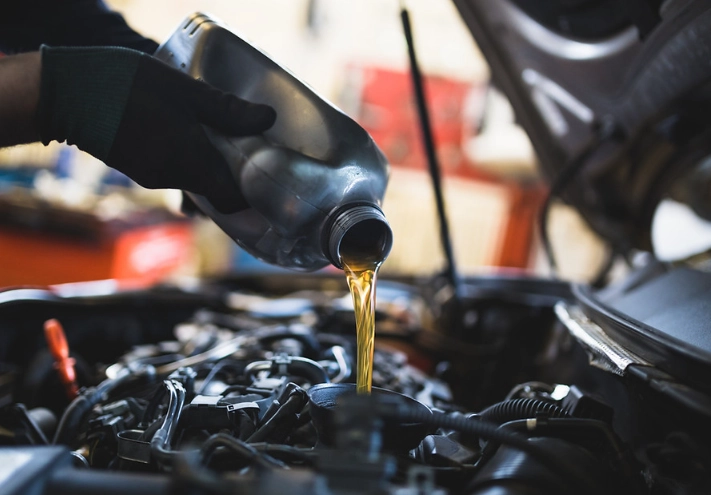
4. Labor (The Shop's Overhead)
This isn't just the 30 minutes of the technician's time. It covers the building, utilities, insurance, tools, and disposal fees for the old oil. Labor rates vary wildly by region and shop type. A dealership in Manhattan has a much higher hourly rate than an independent shop in a small town.
5. The "While You're in There" Services
This is where prices balloon. Did they recommend a new cabin air filter? A tire rotation? A fluid top-off? These are often marked up significantly and added to the core oil change price. Always ask for an itemized bill.
Where You Go Changes Everything
Let's put hypothetical numbers to three common scenarios for the same car—a common midsize sedan needing 5 quarts of synthetic blend oil.
| Service Location | Estimated Price Range | The Good | The Gotcha |
|---|---|---|---|
| National Quick-Lube Chain | $50 - $75 | Fast, convenient, competitive advertised price. | High-pressure upsells, sometimes lower-quality filters, technicians may have less training. |
| Independent Local Mechanic | $65 - $90 | Often uses better-quality parts, more honest advice, builds a relationship. | May be less convenient, might not have weekend hours. |
| Car Dealership Service Dept | $90 - $120+ | Uses OEM (Original Equipment) parts, technicians trained on your specific brand, thorough multi-point inspection. | Most expensive, labor rates are high, may recommend services earlier than necessary. |
See how the same service can land in completely different zones? The dealership price is flirting with or exceeding $100 for a routine synthetic blend change. For them, that's normal.
How to Know If $100 is a Fair Price for YOUR Car
Stop guessing. Do this 5-minute check before your next service:
Step 1: Consult the Oracle (Your Owner's Manual). Find the exact oil specification (e.g., 5W-30, full synthetic) and capacity (e.g., 5.7 quarts).
Step 2: Price the Parts Online. Go to a site like Amazon or a major auto parts store. Search for a well-regarded oil filter for your car (like a WIX, Mobil 1, or OEM filter). Note the price. Then, find the recommended oil. See what 5-7 quarts of that exact oil costs. Add them together.
Let's say your car needs 6 quarts of a specific full synthetic and a filter. Online, that might cost you $55 for the oil and $12 for the filter = $67 in parts.
Step 3: Evaluate the Quote. The shop buys parts wholesale, so their cost is lower than your $67. Let's estimate $50. If they're charging you $100 total, that leaves $50 for labor, shop supplies, waste disposal, and profit. For a 30-45 minute job, that's a reasonable shop rate. In this case, $100 is a perfectly normal, even fair, price.
If your car takes conventional oil and 4 quarts, and the quote is $100, you're probably overpaying unless it includes significant other work.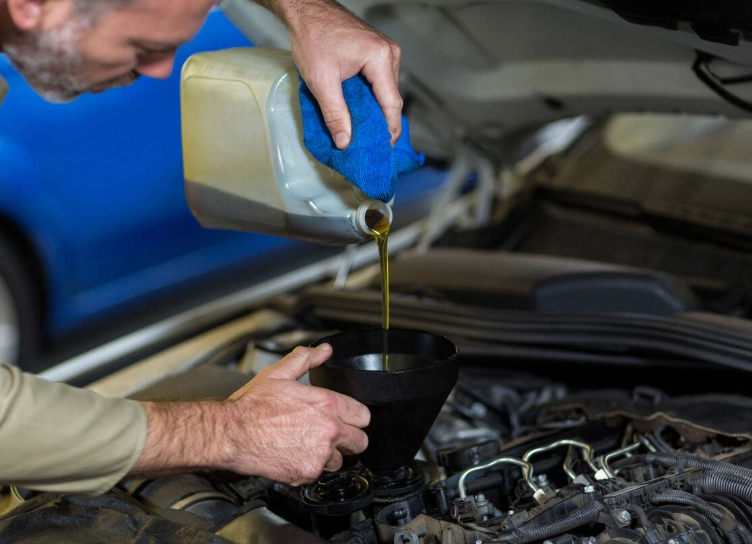
How to Save Real Money on Your Next Oil Change
Forget generic tips. Here are specific, actionable strategies.
Look for Coupons, But Read the Fine Print. Quick-lube chains constantly run coupons for $20 off a synthetic change or similar. The catch? The base price is often inflated. Still, it can bring a high price down to a competitive one. Always ask, "Is this your best price today? Do you have any current specials?" You'd be surprised how often they do.
Buy Your Own Oil and Filter. Many independent mechanics (and some dealerships) allow you to supply your own parts. They'll charge you labor only. If you catch a great sale on oil and a filter, you can potentially cut the total cost by 30-40%. Call ahead to ask about their policy and labor fee for a customer-supplied-parts oil change.
Skip the Upsells Unless You Need Them. That cabin air filter they're holding up, filthy and full of leaves? You can almost always buy the same one for half the price and install it yourself in 2 minutes. A tire rotation is important, but if you just had one done 3,000 miles ago, you can probably wait. Politely decline anything you're unsure about.
The DIY Route: Is It Worth It?
I've done hundreds. Let's be brutally honest about the pros and cons.
The Appeal: You control the quality of every part. You learn about your car. The per-change cost is the lowest it can be—just parts.
The Reality Check:
- Initial Investment: You need a jack, jack stands (NEVER rely on just the jack), a wrench set, an oil drain pan, and possibly ramps. This can easily be a $150+ startup cost.
- The Mess: You will spill oil. It's a rite of passage. You also have to store and properly dispose of the old oil. Most auto parts stores will take it for free.
- Time & Convenience: Your first time will take you over an hour. It's not a 15-minute job in your driveway.
- Potential for Error: Stripping the drain plug, over or under-tightening the filter, using the wrong oil. These mistakes can be costly.
DIY makes financial sense if you drive a lot and plan to keep the car for years, spreading that tool cost over many changes. For someone who just wants convenience and a guarantee, paying a professional is often the smarter choice.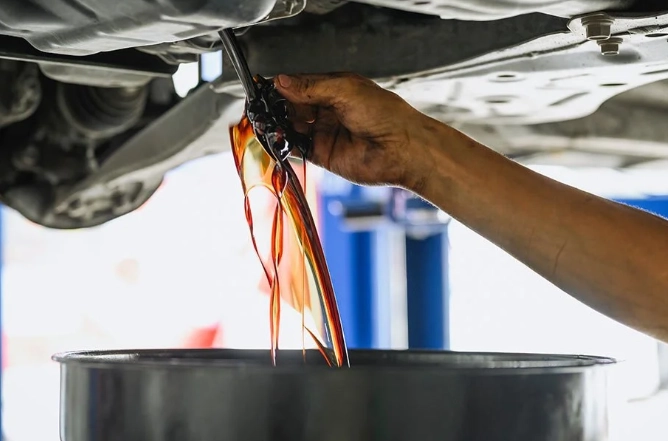
Your Oil Change Questions, Answered
I went to a quick-lube place for a $40 special and left paying $120. What happened?
The classic "bait-and-switch." The advertised price is for the absolute minimum service—usually 5 quarts of conventional oil. The moment you say you have a newer car, they recommend synthetic. They show you a dirty air filter (which may not even be yours). They suggest a fuel system cleaning. Each "yes" adds $20-$50. The best defense is to know exactly what your car needs before you go in and politely but firmly decline any add-ons you didn't pre-approve. Say, "Just the standard synthetic change today, thanks."
My dealership says I need an oil change every 5,000 miles, but my manual says 10,000 miles with synthetic. Who's right?
Your manual is the engineering specification. The dealership often recommends a more conservative "severe service" schedule. This isn't entirely a scam—short trips, extreme heat or cold, and stop-and-go traffic do qualify as severe service. However, blindly following the 5,000-mile interval if you do mostly highway driving is wasteful. A good middle ground? Split the difference at 7,500 miles, or better yet, use your car's oil life monitor (if equipped) as your guide.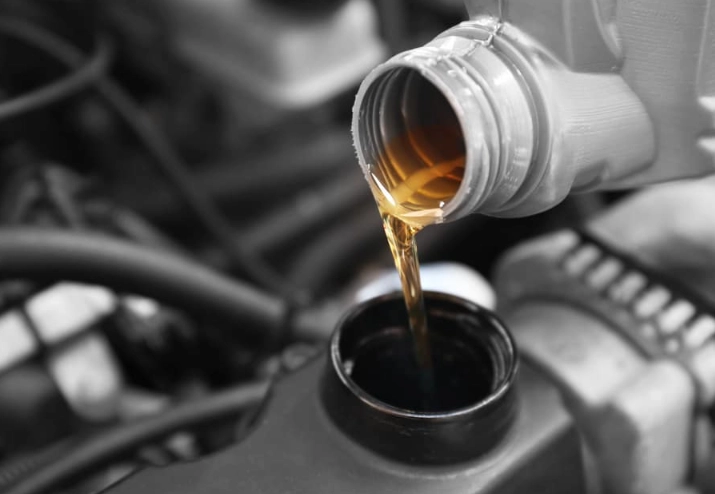
Are all synthetic oils the same? Should I pay extra for a big brand name?
No, they are not all the same, but the differences matter less for most daily drivers than marketers want you to think. All synthetics meeting the API (American Petroleum Institute) specification on your oil cap will protect your engine. A reputable store brand full synthetic that meets the spec is perfectly fine. Paying a 50% premium for a "racing" synthetic in your commuter car is usually unnecessary. The key is the specification, not the flashy bottle.
What's one thing I should always check after an oil change?
Before you even start the car, pull out the dipstick. Make sure the oil level is correct and the oil looks clean and new. Then, start the engine and let it run for a minute. Shut it off, wait another minute, and check the dipstick again. Look under the car for any fresh drips. Finally, ensure the oil change reminder or sticker has been reset. I once drove 8,000 miles on an oil change because a tech forgot to reset the dashboard light.
So, is $100 for an oil change normal? It can be. For a modern car requiring full synthetic at a dealership or a reputable independent shop, it's squarely in the expected range. For an older car using conventional oil, it's on the high side. The power isn't in knowing an average—it's in understanding the breakdown. Know your car's needs, price the parts mentally, and you'll never have to wonder if you're paying a fair price again. You'll know.