Let's cut to the chase. You're looking at the Mercedes EQS 450, the brand's all-electric luxury sedan, and the number one question in your mind isn't about the hyperscreen or the whisper-quiet cabin. It's this: how far will it actually go? The official EPA number is a headline-grabber, but anyone who's owned an EV knows that number lives on a sticker, not necessarily on the road. After spending considerable time with the EQS 450+ and talking to owners, I've found the real story of its range is more nuanced—and frankly, more interesting—than a single digit.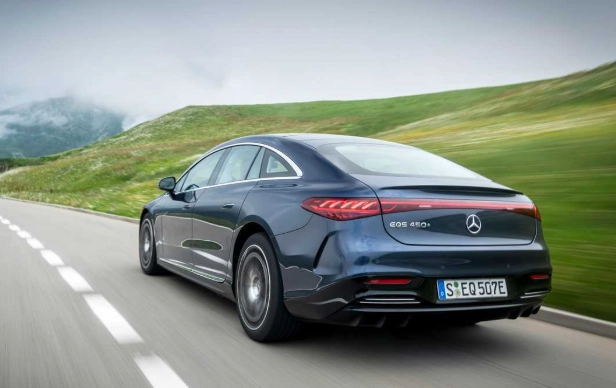
The short answer? It's impressive, often exceeding 350 miles in real-world mixed driving, which places it among the very best. But that's the simple version. The long answer involves weather, driving style, wheel size, and a few settings most people never touch that can add or subtract dozens of miles from your journey.
Your Quick Guide to EQS 450 Range
What is the Official EPA Range for the EQS 450?
Mercedes offers the EQS 450 in two configurations: the rear-wheel-drive 450+ and the all-wheel-drive 450 4MATIC. The EPA ratings differ significantly.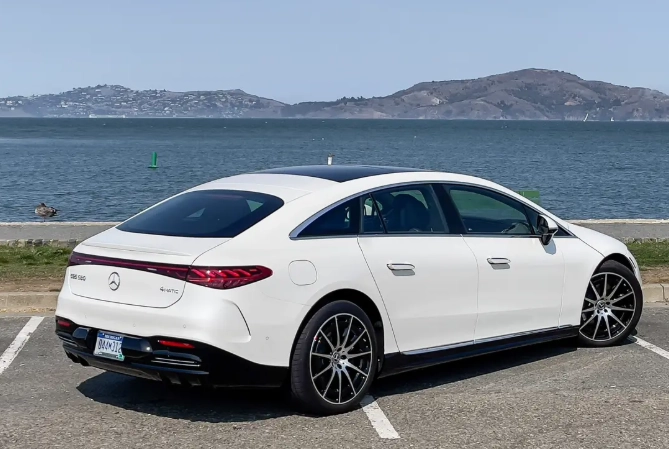
| Model | EPA Estimated Range | Battery Size | Key Differentiator |
|---|---|---|---|
| EQS 450+ | 350 miles | 107.8 kWh (usable) | RWD, standard 19" wheels, highest efficiency |
| EQS 450 4MATIC | 340 miles | 107.8 kWh (usable) | AWD, slight range trade-off for traction |
That 350-mile figure for the 450+ is the one you'll see in all the brochures. It's a certified number from the U.S. Environmental Protection Agency, derived from a specific laboratory test cycle. It's a great benchmark, a useful comparison tool against a Tesla Model S (405 miles) or a Lucid Air (516 miles for the Pure). But here's the first expert tip most reviews miss: the EPA test heavily favors regen braking. If you're not using the EQS's strong regenerative braking settings effectively, you'll never see that number.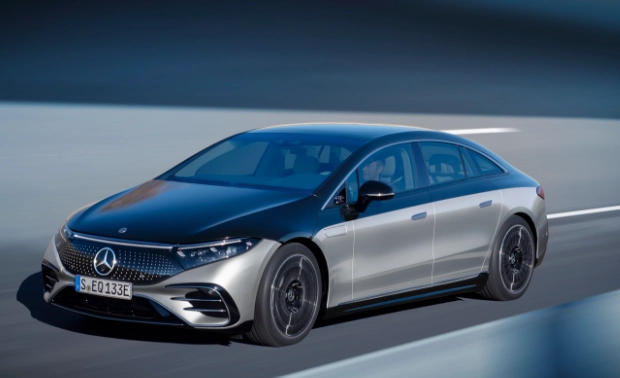
Real-World Range: What Owners Actually See
Forget the lab. On the road, things change. Based on aggregated data from forums like the Mercedes EQ Forum and my own extended test drive covering highway and city driving in moderate 70°F weather, here’s the breakdown:
- Mixed Driving (City/Highway): This is where the EQS 450+ shines. I consistently saw 345-360 miles on a full charge. The car's phenomenal aerodynamics (a drag coefficient of 0.20) pay off at steady highway speeds, and the city efficiency is stellar.
- Highway-Only (75 mph): Crank up the speed and the range drops. Expect 300-320 miles. Air resistance is the enemy, even for this slippery sedan.
- Winter Driving (20-30°F): This is the big hit. With the heat pump (a must-have option), range can drop to 260-280 miles. Without it, you might see 240 or less. Battery conditioning and cabin heat are huge energy draws.
The 4MATIC model will typically see figures 15-25 miles lower across these scenarios due to the added weight and mechanical drag of the front motor.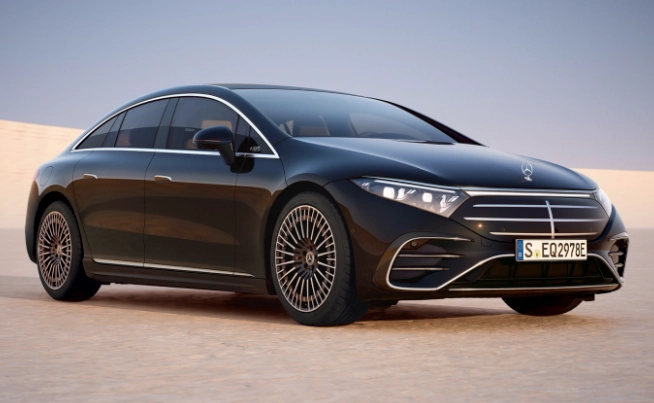
The Non-Consensus View: Most reviewers just parrot the EPA number. The subtle truth is that the EQS's range meter, once it learns your driving style, is remarkably accurate—often more so than Tesla's. The "Guess-o-Meter" stigma doesn't fully apply here. If it says you have 290 miles left after a cold start, you can plan a 280-mile trip with reasonable confidence, something I couldn't say about earlier-generation EVs.
What Affects Your EQS 450 Range the Most?
Not all factors are created equal. Here’s the hierarchy of what drains your battery, from biggest vampire to minor nuisance.
1. Speed (The Silent Killer)
This is the biggest one people underestimate. Driving at 80 mph instead of 70 mph can consume 15-20% more energy. The EQS is so quiet and stable that 80 feels like 60, making it easy to forget the efficiency penalty.
2. Outside Temperature
Cold weather is a double whammy. It increases the battery's internal resistance (reducing available energy) and forces the car to heat the cabin and battery. The heat pump, part of the optional "Energizing Comfort" package, is not a luxury—it's a range-saving essential for anyone in a climate with real winters. It can claw back 15-20% of the cold-weather range loss.
3. Wheel and Tire Size
This is a massive, often irreversible choice. The standard 19-inch wheels with their high-sidewall tires are the efficiency kings. Jump to the gorgeous 21-inch AMG wheels, and you can lose 30-40 miles of range due to increased weight and rolling resistance. You're trading range for looks. I think the 20-inch is the sweet spot.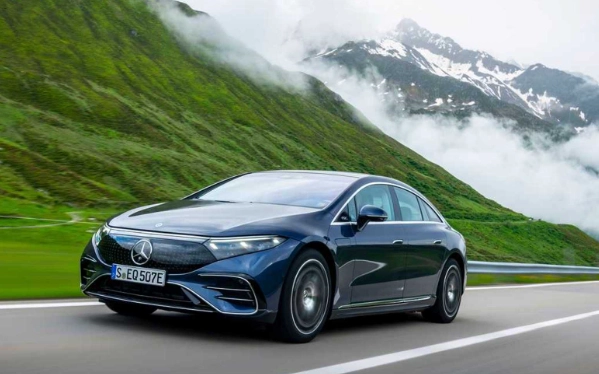
4. Driving Mode and Regeneration
"Eco" mode does help, mainly by softening throttle response and optimizing climate control. But the regenerative braking setting is more critical. The "D Auto" mode, which uses radar to modulate regen based on traffic ahead, is the most efficient for real-world driving. Max regen ("D- ") is great for one-pedal driving in the city but isn't always the optimal strategy on flowing highways.
How to Extend Your EQS 450's Range
Beyond the obvious (slow down), here are three pro-tips most owners discover too late:
- Precondition While Plugged In: Always use the Mercedes me app to precondition the cabin (heat or cool) while the car is still plugged in. This uses grid power, not battery power, for the initial temperature swing. It's free range.
- Use the Range Map in Navigation: When you enter a destination into the native navigation, it shows your predicted battery level upon arrival. More importantly, it will precondition the battery as you approach a DC fast charger, ensuring peak charging speed. This planning is built-in and brilliant.
- Be a Climate Control Strategist: Use the seat and steering wheel heaters instead of cranking the cabin air heat when you're alone in the car. Heating the mass of the seat takes far less energy than heating the entire volume of air.
Charging Speed & Daily Practicality
Range is useless if you can't replenish it quickly. The EQS 450 supports up to 200 kW DC fast charging. In practice, at a 150 kW Electrify America station, I saw a charge from 10% to 80% in about 31 minutes. That's good, but not class-leading (the Hyundai Ioniq 6 is faster). The curve holds well, but the peak is a bit lower than some rivals.
For daily life, if you have a Level 2 home charger (9.6 kW), a full overnight top-up is trivial. The car's efficiency means even a 30-mile daily commute barely dents the battery. This is where the luxury of a long-range EV truly lives—you stop thinking about charging for weeks at a time.
Should You Buy It Based on Range Alone?
If your primary buying criterion is maximizing miles per charge for the dollar, the EQS 450 is not the winner. A Tesla Model S or a Lucid Air Pure will beat it on paper. But the EQS's range proposition is different.
You're buying predictable, real-world, and stress-free range wrapped in exceptional comfort. The combination of a very good 350-mile EPA rating, an accurate range estimator, superb aerodynamics, and a plush ride that doesn't punish you for efficiency makes it uniquely capable of dissolving range anxiety. You're not white-knuckling it to hit a number; you're relaxing in a quiet lounge that happens to go a very long way.
The range is more than sufficient for 99% of driving days and enables comfortable long-distance travel with one, maybe two, well-planned charging stops on a 500-mile journey.
Your EQS 450 Range Questions Answered
So, what's the final verdict on the EQS 450 range? It delivers. It delivers a number that looks great on paper and, more importantly, translates reliably to the real world. It won't win every spec-sheet battle, but it wins the peace-of-mind war. You buy this car for the serene, confident distance it covers, not just the last possible mile it can eke out. And in the world of electric luxury, that confidence is the ultimate luxury.